
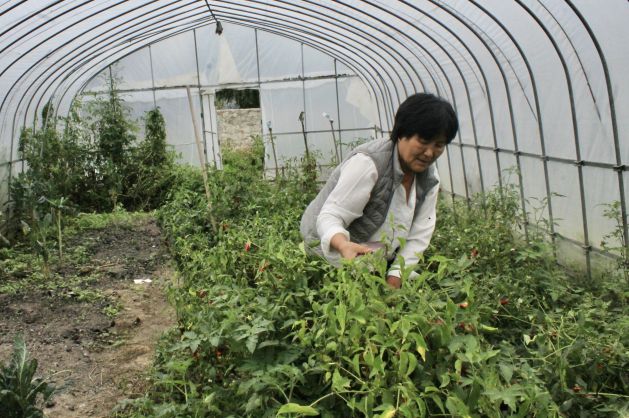
PARO, Bhutan, Oct 14 (IPS) – Zam, 57, sits at her kitchen table looking out the window at her orchard of four dozen apple trees. In the past eight years she has sold only two crates (100 kilogrammes) of the fruit because of poor harvests. She turned her attention to vegetables instead but the production was low because of a water shortage.
 Nepal floods leave 22,000 children without safe water: UNICEF
  Outside forces fuel Sudan war, new report finds
  Security Council LIVE: Addressing the legacy of Syria’s chemical weapons
  One in five children in 21 nations faced tech-facilitated sexual abuse: UNICEF
  El Niño is surging. Months of extreme heat could follow
  Strengthen Africa’s Seed Systems El Niño Threat Becomes Reality Again
  AI agents aren’t ready to replace humans in behavioral research