
DAR ES SALAAM, Tanzania, August 24 (IPS) – For pastoralists in Arvaikheer — a village in Mongolia’s dry central plains — rain can determine whether there is enough grass for cattle to roam, whether waterholes are replenished and whether families make it through another dry season. But as climate change makes rainfall increasingly unpredictable, even a wet season may no longer provide water and pasture needed to sustain people and livestock.
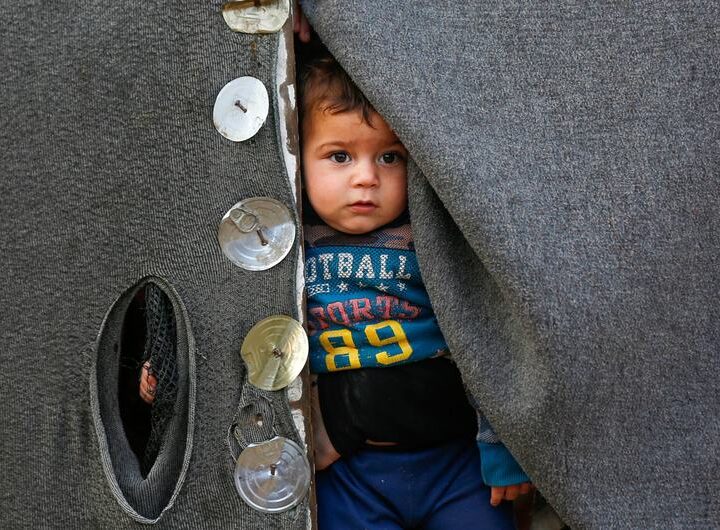 Security Council LIVE: Deaths, demolitions spike in Gaza, West Bank
 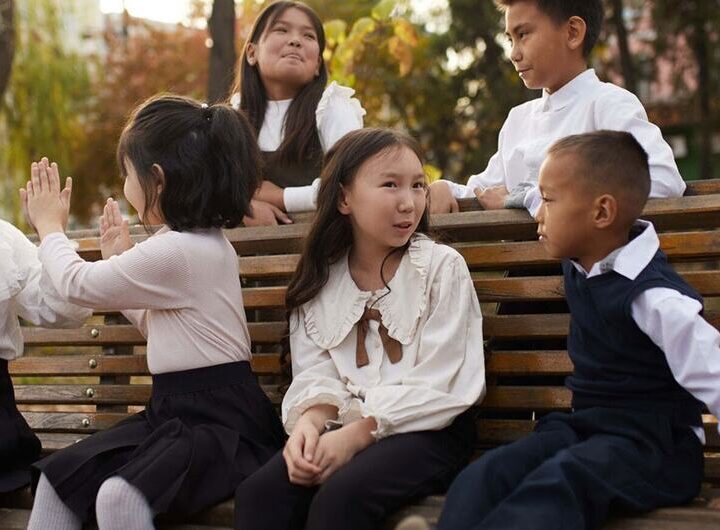 WHO urges faster action to end lead exposure which kills 3.5 million annually
 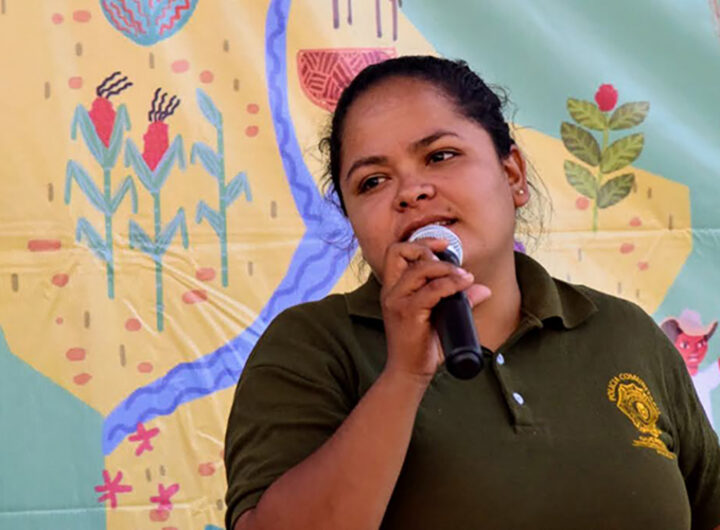 Kenia Hernández: Indigenous Rights Defender Imprisoned for Her Activism
 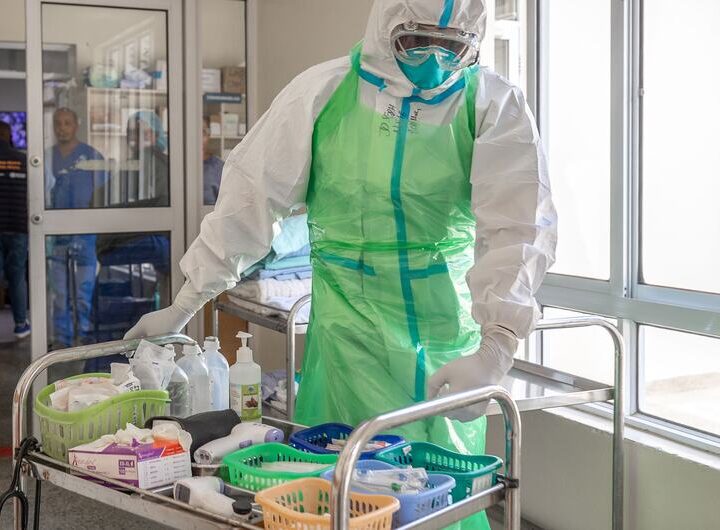 WHO urges vigilance after Kenya confirms second Ebola case
  Afghanistan’s Stolen Peace: The Women Who Refuse to Be Silenced
 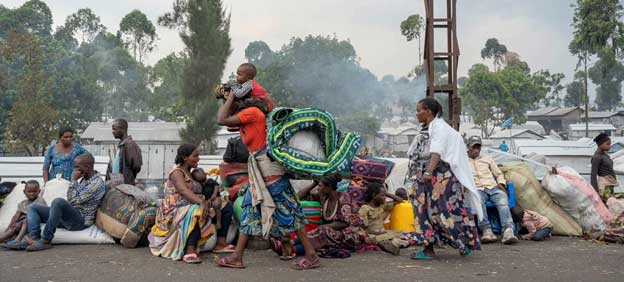 30 Years of War, 30 Years of Impunity in DR Congo