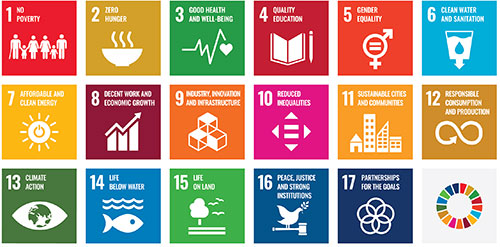
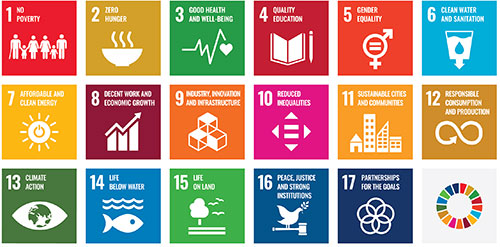
BERLIN / MUNICH, November 27 (IPS) – The global landscape has changed profoundly since the adoption of the 2030 Agenda in 2015. Rising geopolitical tensions, galloping military expenditures, accelerating technological transformation—including the omnipresence of artificial intelligence (AI) —and mounting pressures on development financing are reshaping national and international priorities. These shifts raise fundamental questions about the relevance, ambition and accountability of the global development agenda beyond 2030, and even its feasibility.
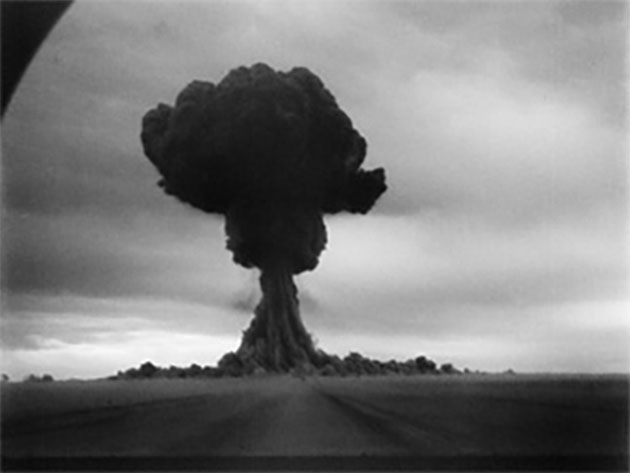 Nuclear Progress Amidst Gloomy Political Outlook
 Brazil: Democracy Defended from Below
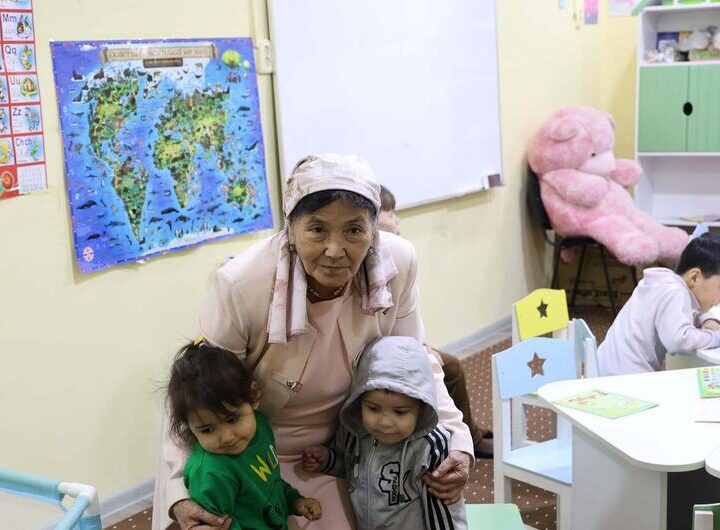 ‘Come right now’: How a crisis centre in Samarkand helps women escape violence
 DR Congo: Peacekepers step up civilian protection amid fighting in Ituri
 Maritime trade stagnates amid geopolitical uncertainty
 Ukrainians Brace for Another Winter on the War’s Frontline in Kherson