

Before Pangaea — What? — Science News, September 30, 1972
The continents as we know them resulted when the protocontinent Pangaea broke apart and its fragments made the long slow journey to their present positions. The process took about 200 million years. But the Earth’s crust is an estimated 4.5 billion years old.… [Scientists are exploring] the perplexing problem of what went on during the billions of years before Pangaea went to pieces.
Update
The continents have an on-again, off-again relationship that has existed since well before Pangaea, fossil and rock evidence shows. Most scientists agree that the earliest known supercontinent, called Nuna, formed around 1.5 billion years ago. It broke apart and reunited as the supercontinent Rodinia about 1 billion years ago. A third supercontinent called Pannotia may have formed roughly 600 million years ago near the South Pole, but its existence is debated. Today, scientists are predicting how continents will merge in the future. A supercontinent dubbed Amasia could form 250 million years from now as the continents drift toward the North Pole (SN: 1/21/17, p. 18).
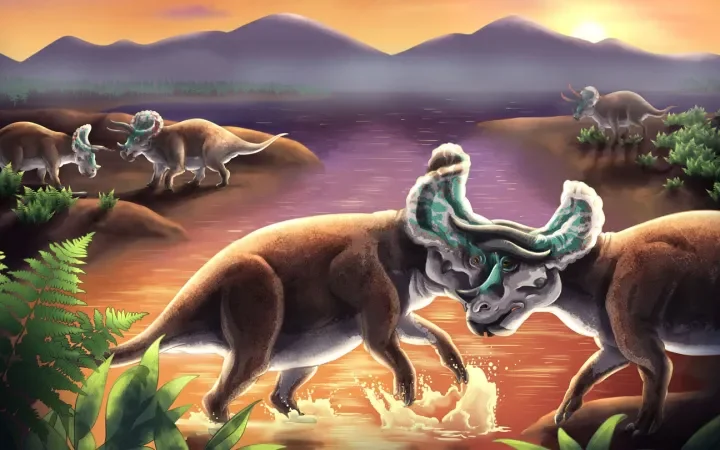 Horned dinosaurs’ weapons evolved to handle the forces of combat
 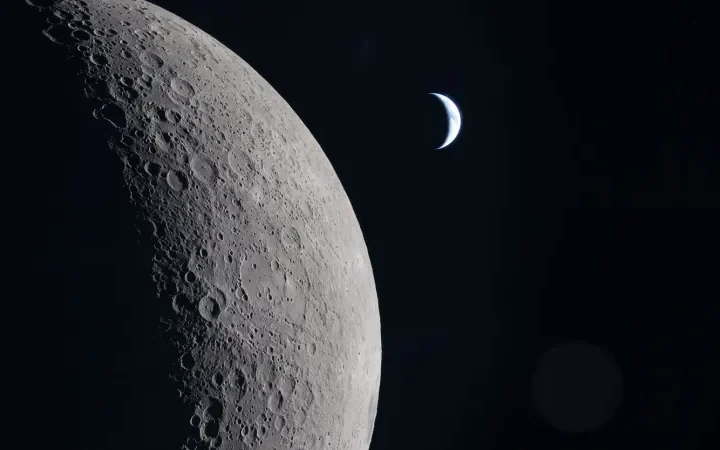 Artemis II results show how much science people can do at the moon
  Crossword: Time lines
  Many American diets may not include enough of this essential nutrient
 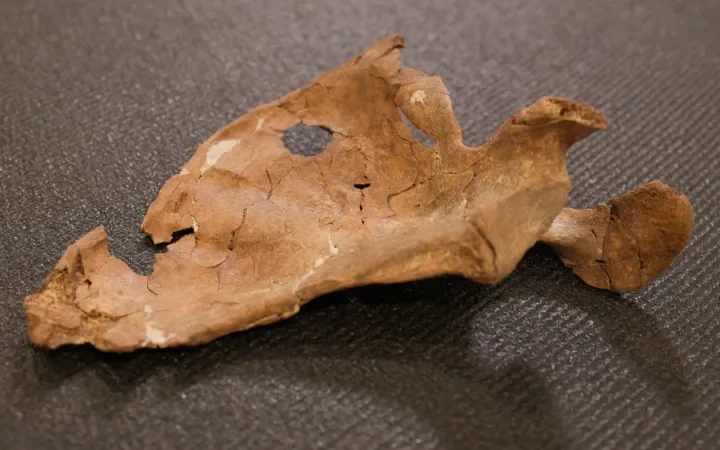 A telling hole in a Neandertal bone hints at a bitter end
  Brain implants are helping people who’ve lost their voice
  Guterres urges faster action and financing to stop biodiversity loss
  Ebola Spread Raises Fresh Urgency for Africa’s Domestic Health Funding