
 The human voice
Editor in Chief Nancy Shute discusses the power of the human voice, hopeful advances in treating stiff person syndrome and new controversy about using...
SCIENTIFIC NEWS
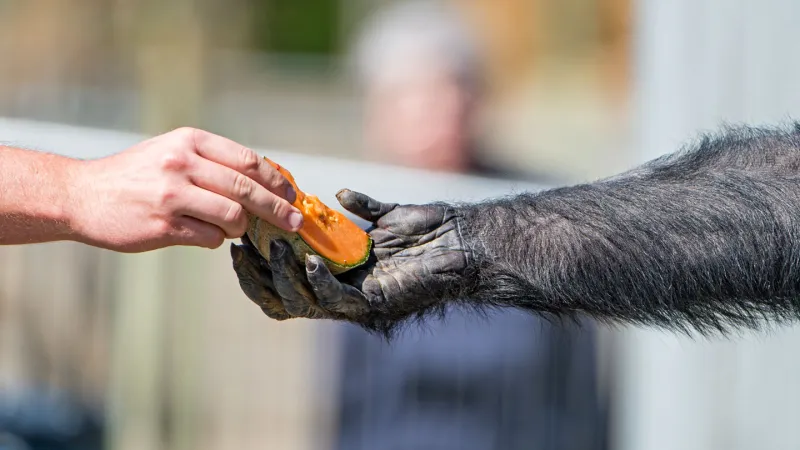 Why did humans’ brains surpass chimps’? A tiny foe might help explain it
A viral infection from millions of years ago may have influenced chimp brain evolution through DNA leftovers in the genome.
 Eating too much sugar on antibiotics could squash helpful gut bacteria
In people being treated for blood cancer, consuming sugar while on antibiotics boosted harm to the diversity of the gut microbiome.
 Electric stoves could help people with asthma breathe easier
Switching to an electric stove from a lung-irritating gas one may improve asthma symptoms. But if you’re stuck with gas, reducing exposure may help.
 A nanoparticle revealed the tiny impact of a single gas atom
The force exerted by a gas usually results from many atoms or molecules at once. But scientists isolated the force of a lone particle.
 Was van Gogh’s ‘The Starry Night’ a flight of fancy or a real sky?
Vincent van Gogh’spainted the iconic work in the summer of 1889. Now researchers claim to have pinned down which night the stars were from.
 This ‘living drug’ could change the course of autoimmune disease
If given the green light by the FDA, a CAR T cell therapy from Kyverna Therapeutics would be the first approved treatment for stiff...
 AI could turn scientific papers into research assistants
An AI ‘virtual author’ can help scientists use a paper’s methods on new data. But it’s not going to match a human author’s expertise.
 A lifesaving medication is not behind the drop in U.S. overdose deaths
A possible reason for the overdose deaths drop is more use of naloxone, which reverses opioid overdoses. But while still a key tool, its...
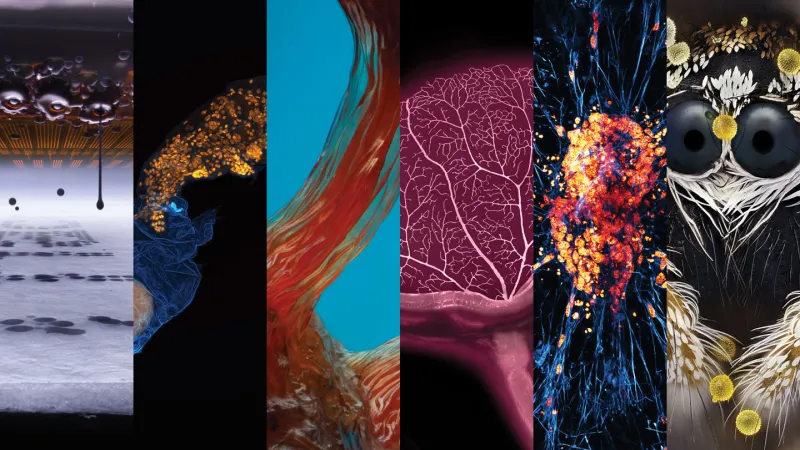 Peek into hidden worlds revealed by the 2026 Nikon Small World contest
This year’s photomicrography contest captured the wonders of the very small, from flying ink droplets to the most adorable jumping spider you’ve ever seen.
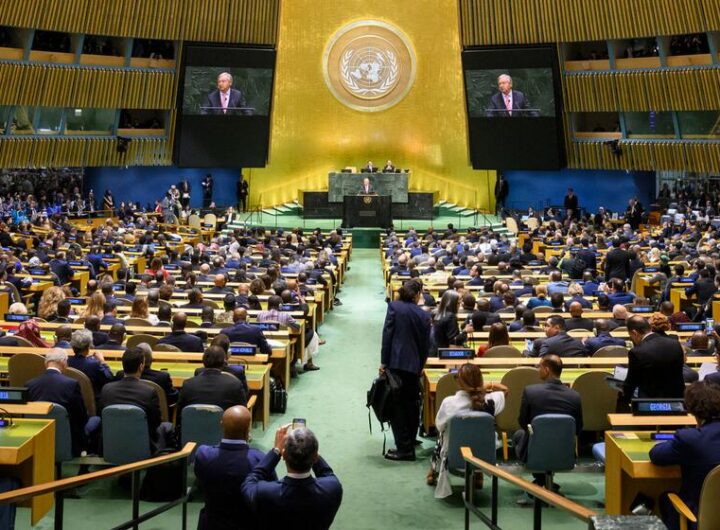 UN marks 81 years of global cooperation
 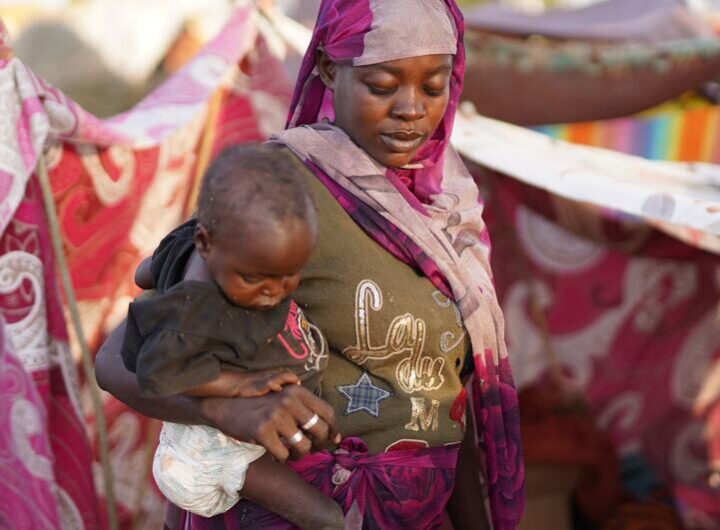 Women ‘first to suffer’ under siege, first to step up as frontline responders in Sudan
  The human voice
  West Bank: Guterres alarmed as Israel imposes sweeping closures after deadly Hebron attack