
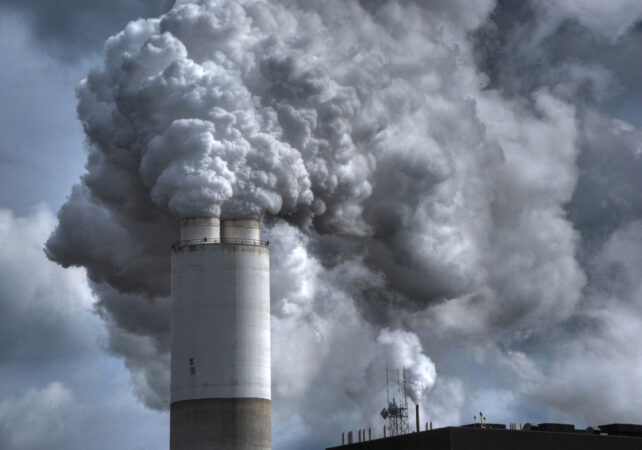
The lungs’ immune defenses can wane with age, leaving older adults more susceptible to lung damage and severe bouts of respiratory infections. New research reveals one reason why this might happen: Inhaled particulate matter from pollution gunks up the works over time, weakening the lungs’ immune system, researchers report online November 21 in Nature Medicine.
Air pollution is a major cause of disease and early death worldwide and disproportionately impacts poor and marginalized communities (SN: 7/30/20). Particulate matter — a type of pollution emitted from vehicle exhaust, power plants, wildfires and other sources — has been tied to health harms including respiratory, cardiovascular and neurological diseases (SN: 9/19/17).
In the new study, researchers from Columbia University analyzed lung immune tissue from 84 organ donors, ranging in age from 11 to 93 years old. The donors were nonsmokers or had no history of heavy smoking. With age, the lungs’ lymph nodes — which filter foreign substances and contain immune cells — became loaded with particulate matter, turning them a deep onyx, the research team found.
“If the [lymph nodes] build up with so much material, then they can’t do their job,” says Elizabeth Kovacs, a cell biologist who studies inflammation and injury at the University of Colorado Anschutz Medical Campus in Aurora.
The lymph nodes are home to an array of immune cells, including macrophages. These cellular Pac-Mans gobble up pathogens and other debris, including the particulate matter. Filled with the pollutant, the macrophages’ production of cytokines, proteins the cells secrete to activate other immune cells, decreased. The cells also showed signs of having a diminished capacity for more gobbling.
The new study indicates that older people have accumulated so much debris, “they may not be able to accumulate more,” impairing their ability to deal with inhaled material, says Kovacs, who was not involved in the research.
Pollution “is an ongoing and growing threat to the health and livelihood of the world’s population,” the research team writes. Their work finds that threat includes “a chronic and ubiquitous impact” on respiratory immunity with age.
 A medieval remedy could offer ideas for beating antibiotic resistance
  In the wake of the flood, could Nepal avert the next disaster?
  ‘The Deep End’ podcast is back to explore what makes your voice yours
  Magnetism may have helped kick-start our solar system
  Peru’s penguins are on the brink. A super El Niño could make it worse.
  These are the first feathers ever found in fossilized dinosaur poop
  World News in Brief: Deadly Myanmar strikes as Malaysia begins deportations, new emergency funding released, Gaza and West Bank update
  What Faith Can Teach Agriculture
  BRICS: Growing Ambition, Zero Accountability
  Clean your plate – to reduce food loss and waste