
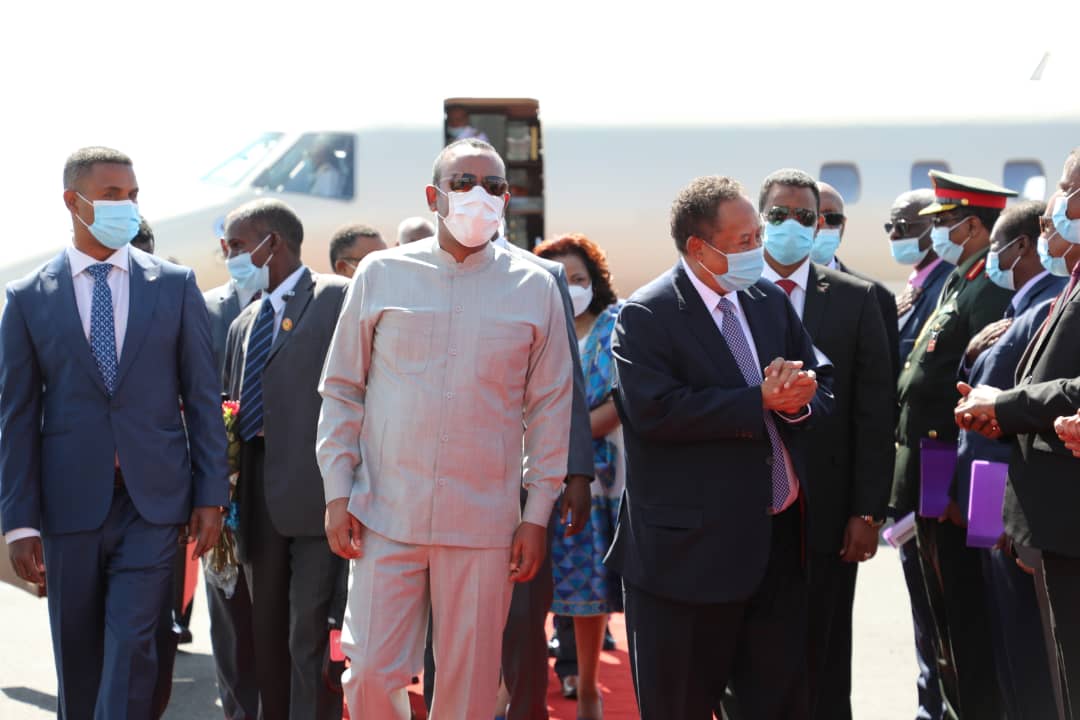
Sudan’s Prime Minister Abdalla Hamdok arrived in Ethiopia on Sunday to discuss security matters with Prime Minister Abiy Ahmed Ali.
Last month, the Ethiopian government launched a military offensive against a rebellious regional government in Tigray.
The ensuing conflict has killed hundreds, and almost 50,000 Ethiopians have crossed the country’s northwestern border into Sudan.
It is a refugee crisis that is straining the humanitarian infrastructure in Sudan. The United Nations refugee agency has appealed for $150 million to help cope with the situation.
Both leaders reached an “understanding on various issues,” the Ethiopian prime minister said, following discussion between the two delegations.
December 1, more than 45,000 refugees had already crossed the Ethiopian-Sudanese border. In the next few months, and depending on how the conflict develops, the United Nations estimates that the number of Ethiopian refugees in Sudan will swell to as much as 200,000.
Although Sudan agreed to open its doors to the Ethiopian refugees, it was not prepared for the influx it would result in. The villages of Hamdayet and Hashaba, for instance, were immediately flooded with thousands of refugees, and the food and the blankets that local NGOs collected among villagers quickly ran out. Many refugees have therefore had to sleep outside without neither.
Shortly after arriving in Ethiopia, Hamdok said that hoping for productive discussions on the situation.
“I look forward to having productive discussions on political, humanitarian and security matters of common concern that serve the future of peace, stability and prosperity for our two sisterly nations and the region,” he said.


 In National Geographic’s “Expedition: Saving Our Seas,” it’s all hands on deck
 The ‘hell chicken’ dinosaur was a real terror — to fruit
 The brain’s fear center moonlights as the save button for memories
 Europe’s Hera mission is ready to double down on asteroid science
 Stone Age children left fingerprints on ancient art projects
 This magic mushroom can kill
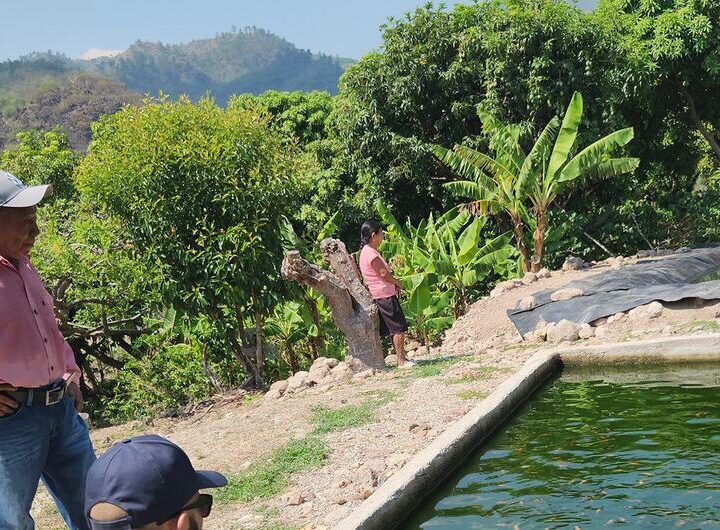 When the rains fail: Preparing for drought in Central America
 ‘Here, you can eat until you’re full’: Oleshky evacuees savour first proper meals in years
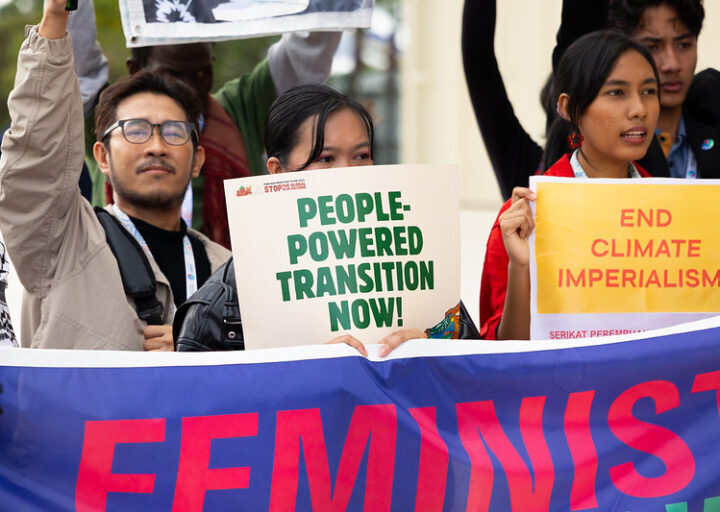 COP31: National Oil Companies Must Lead Global Shift Away from Fossil Fuels, Says NRGI Expert
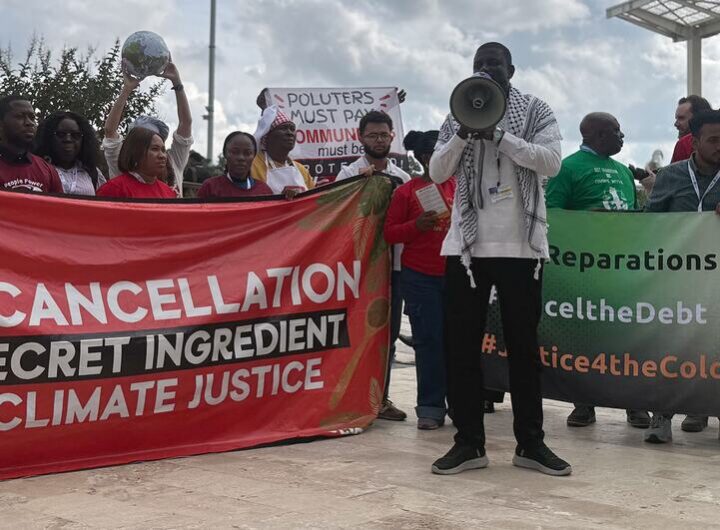 COP31: Climate finance falls short as calls grow for polluters to pay