

The fin whale’s call is among the loudest in the ocean: It can even penetrate into Earth’s crust, a new study finds. Echoes in whale songs recorded by seismic instruments on the ocean floor reveal that the sound waves pass through layers of sediment and underlying rock. These songs can help probe the structure of the crust when more conventional survey methods are not available, researchers report in the Feb. 12 Science.
Six songs, all from a single whale that sang as it swam, were analyzed by seismologists Václav Kuna of the Czech Academy of Sciences in Prague and John Nábělek of Oregon State University in Corvallis. They recorded the songs, lasting from 2.5 to 4.9 hours, in 2012 and 2013 with a network of 54 ocean-bottom seismometers in the northeast Pacific Ocean.
The songs of fin whales (Balaenoptera physalus) can be up to 189 decibels, as noisy as a large ship. Seismic instruments detect the sound waves of the song, just like they pick up pulses from earthquakes or from air guns used for ship-based surveys. The underwater sounds can also produce seismic echoes: When sound waves traveling through the water meet the ground, some of the waves’ energy converts into a seismic wave (SN: 9/17/20). Those seismic waves can help scientists “see” underground: As the penetrating waves bounce off different rock layers, researchers can estimate the thickness of the layers. Changes in the waves’ speed can also reveal what types of rocks the waves traveled through.
The echoes recorded in the Pacific Ocean revealed a classic ocean crust structure beneath three sites along the whale’s swim path: sediment layers between 400 and 650 meters thick atop a 1.8-kilometer-thick layer of basalt rock. Beneath that basalt lies a dense oceanic rock known as gabbro. The findings suggest that fin whale songs can be effective seismic tools to study the seafloor.
 Magnetism may have helped kick-start our solar system
 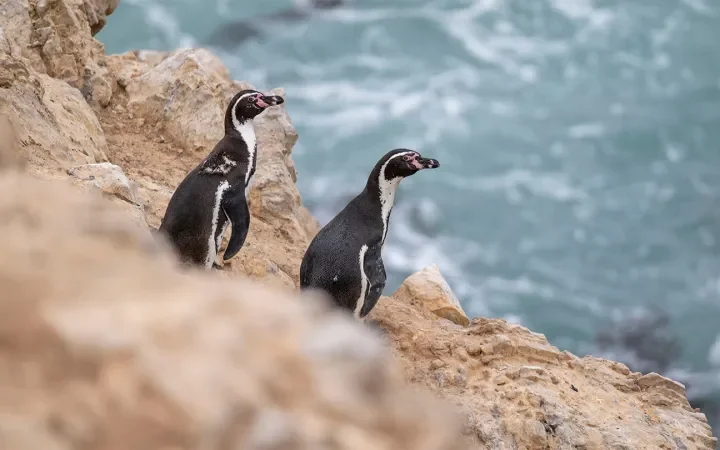 Peru’s penguins are on the brink. A super El Niño could make it worse.
 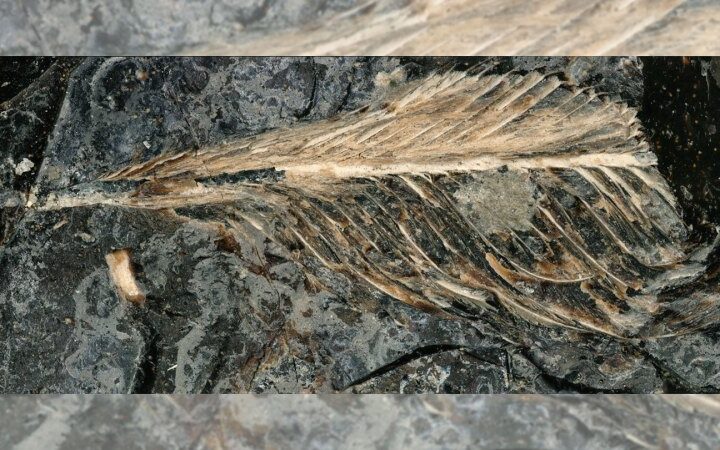 These are the first feathers ever found in fossilized dinosaur poop
 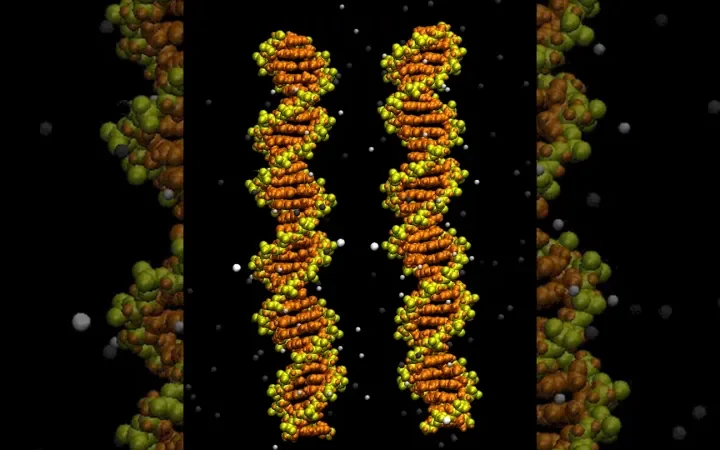 See the secret to DNA hookups
 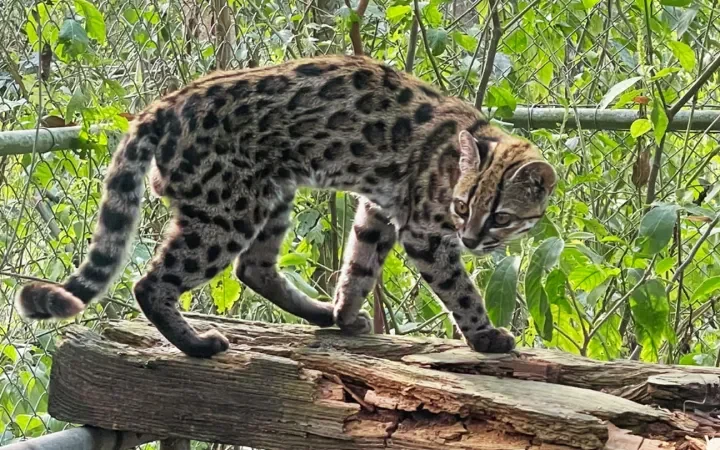 Meet the newest living cat species, the first described in 100 years
 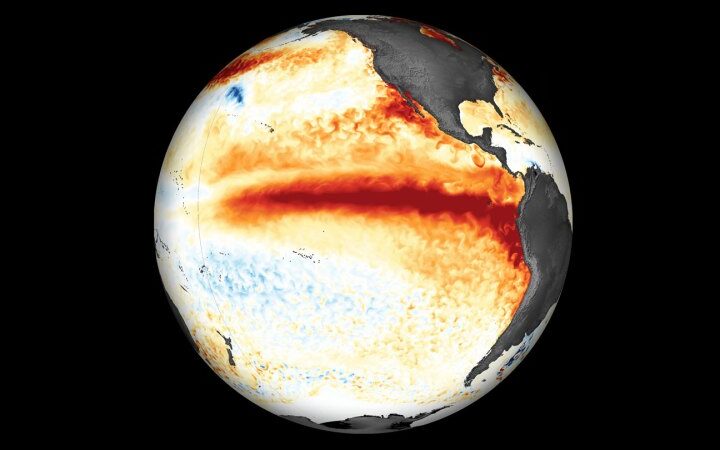 This year’s El Niño just broke a record months before it’s expected to peak
  LIVE: World leaders take stock of global fight against racism
  Security Council LIVE: Ambassadors meet as West Bank tensions rise, Gaza plan stalls
  DR Congo Ebola emergency: Calls grow for urgent humanitarian access
  Rohingya Camps: Children in Frontline of Food Rationing Crisis