
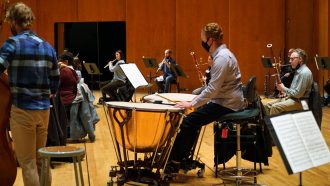
When the Utah Symphony performed this spring, its arrangements struck a new note. The percussion instruments, harp and piano had moved from the back of the stage to nearer the center. Trumpets, flutes and other woodwind and brass instruments relocated from the center to the fringes, closest to the onstage air vents.
Along with opening as many doors and windows as possible, that setup can greatly reduce musicians’ risk of exposure to airborne diseases such as COVID-19, researchers report June 23 in Science Advances.
Simulations of air dynamics in a concert hall show that these changes can reduce the accumulation of potentially infectious airborne particles by about 100 times — lowering concentrations from around 0.01–1 particle per liter of air across most of the stage to under 0.001 particles per liter.
Sign up for e-mail updates on the latest coronavirus news and research
As performers return to stages, some activities pose unique challenges. Like singing, playing certain instruments can spew droplets from a musician’s breath (SN: 4/17/20). Potentially virus-laden droplets can linger in the air, spreading disease (SN: 5/18/21). While string players and percussionists may wear masks to reduce virus spread, brass and woodwind musicians are “manufacturers of respiratory droplets,” says Tony Saad, a chemical engineer at the University of Utah in Salt Lake City.
Saad’s team relied on air flow modeling — based on past measurements of potentially infectious particles emitted by typical orchestra instruments — to determine how air moves across a stage and which adjustments would best protect an ensemble.
But how do those changes make the music sound to an audience? Not unfamiliar, says coauthor James Sutherland, also a chemical engineer at the University of Utah. The change is more jarring for the conductor and musicians onstage.
Still, the Salt Lake City–based ensemble — which collaborated with the researchers — used the study’s recommendations as a blueprint for the spring performance season. “If this is what they need to do to get back to performing safely, then it’s a small price to pay,” Sutherland says.
 Magnetism may have helped kick-start our solar system
  Peru’s penguins are on the brink. A super El Niño could make it worse.
  These are the first feathers ever found in fossilized dinosaur poop
  See the secret to DNA hookups
 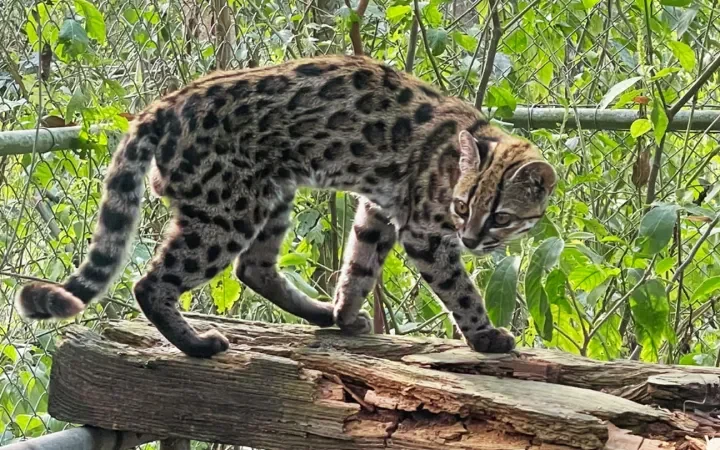 Meet the newest living cat species, the first described in 100 years
 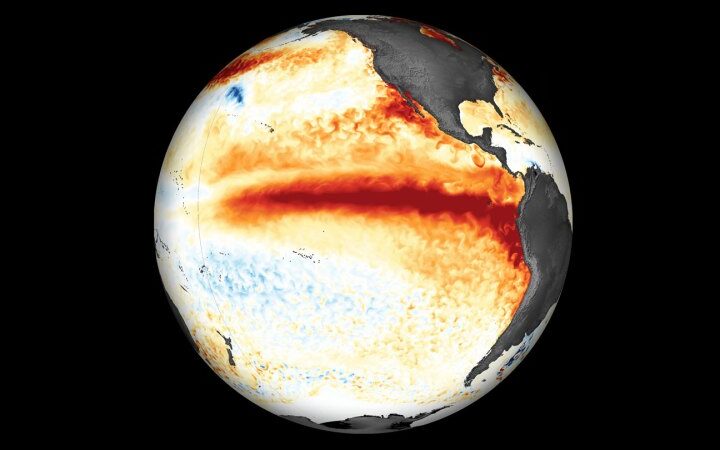 This year’s El Niño just broke a record months before it’s expected to peak
  LIVE: World leaders take stock of global fight against racism
 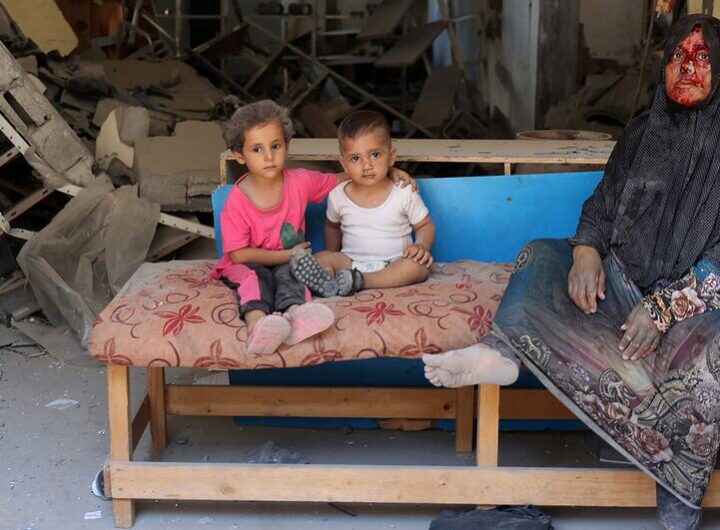 Security Council LIVE: Ambassadors meet as West Bank tensions rise, Gaza plan stalls
 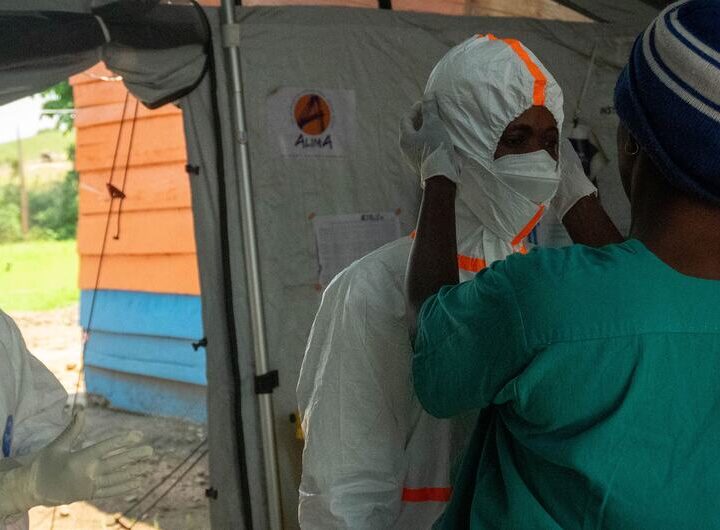 DR Congo Ebola emergency: Calls grow for urgent humanitarian access
  Rohingya Camps: Children in Frontline of Food Rationing Crisis