

BANGKOK, Thailand, Aug 25 (IPS) – Over the past two decades, the Asia-Pacific region has made remarkable progress in managing disaster risk. But countries can never let down their guard. The COVID-19 pandemic, with its epicentre now in Asia, and all its tragic consequences, has exposed the frailties of human societies in the face of powerful natural forces. As of mid-August 2021, Asian and Pacific countries had reported 65 million confirmed coronavirus cases and more than 1 million deaths. This is compounded by the extreme climate events which are affecting the entire world. Despite the varying contexts across geographic zones, the climate change connection is evident as floods swept across parts of China, India and Western Europe, while heatwaves and fires raged in parts of North America, Southern Europe and Asia.
Read the full story, “Resilience in a Riskier World”, on globalissues.org →
 FRANCE: ‘The Government Should Learn to Respect Its People, Listen to Them and Consult Them’
 From Nuclear Weapons to Artificial Intelligence, a New Test of Humanity’s Restraint
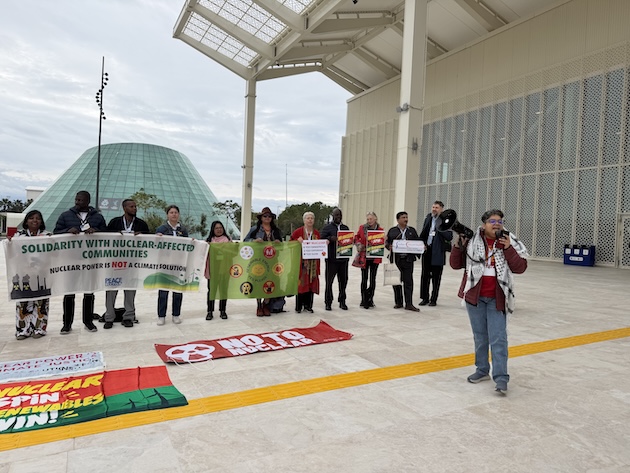 COP31: Why Africa Must Rethink Nuclear Energy
 Egypt: Fact-checking site’s entire newsroom jailed as assault on press freedom widens
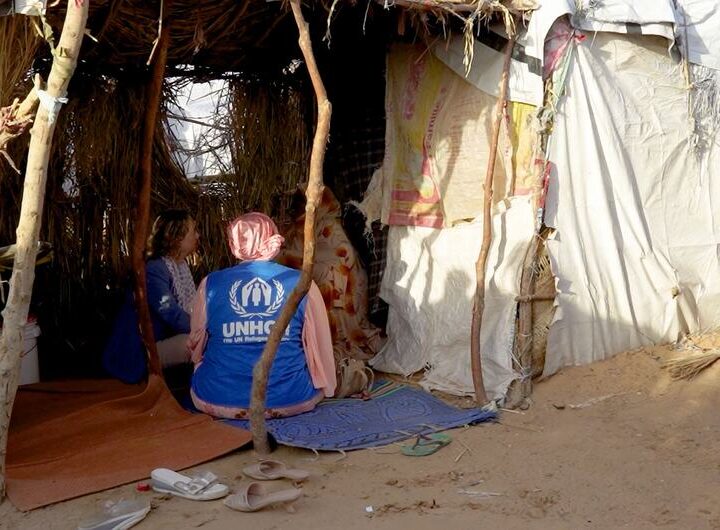 Nearly 64,000 flee Nigeria for Niger where a humanitarian crisis is deepening
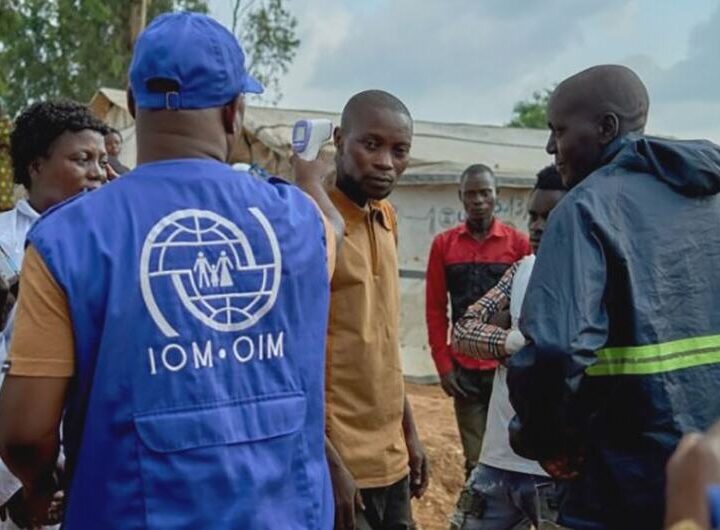 Ebola: IOM urges wider surveillance beyond formal routes in DR Congo
 This magic mushroom can kill