SINGAPORE, Aug 30 (IPS) – Some years ago, on a piece on the Afghan crisis I had written that Mullah Omar’s face bore no resemblance to that of the impossibly beautiful, albeit mythical, Helen of Troy. Yet it too had caused the launch of a thousand ships (airships to be more precise), just as Helen’s had done in Homer’s epic tale, the Iliad. Like Troy in that ancient narrative, Afghanistan of the present times was swarmed with invaders who could also be seen as the counterparts of those Greeks- the Americans and their NATO allies. This war lasted for double the time of the Trojan episode, twenty years instead of ten. At its end it led to a reverse situation, victory of the Trojans, in this case, of the Taliban. Though the Greeks destroyed Troy by the ruse of a gift of the Wooden Horse, eventually a Trojan warrior, Aeneid, sailed to southern Mediterranean and laid the foundation of the Rome and its empire. The Greek epoch ultimately yielded to the Roman age, and the annals of geopolitics of that time took a completely new turn. Will the impact of the Afghan war be the same? Shall we see a power transformation in a new paradigm from what we have at the present time? Will American predominance make way for a risen China, now or in the future?
 FRANCE: ‘The Government Should Learn to Respect Its People, Listen to Them and Consult Them’
 From Nuclear Weapons to Artificial Intelligence, a New Test of Humanity’s Restraint
 COP31: Why Africa Must Rethink Nuclear Energy
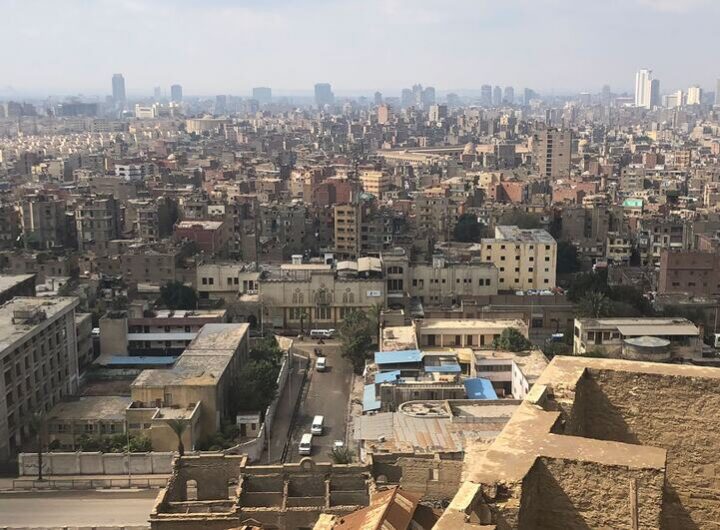 Egypt: Fact-checking site’s entire newsroom jailed as assault on press freedom widens
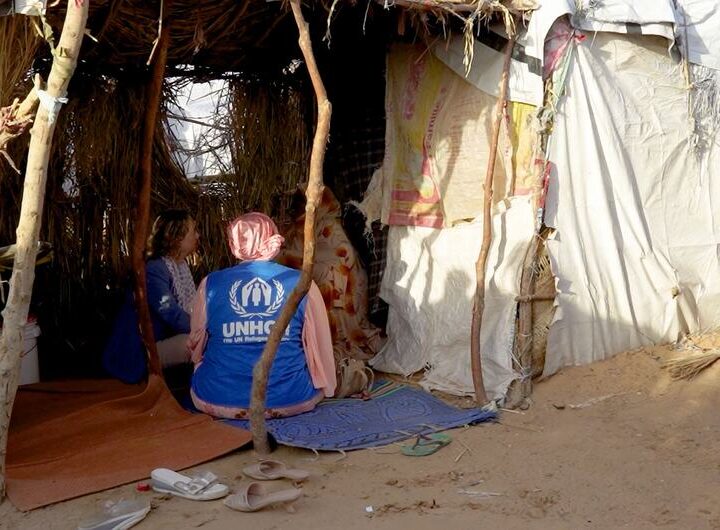 Nearly 64,000 flee Nigeria for Niger where a humanitarian crisis is deepening
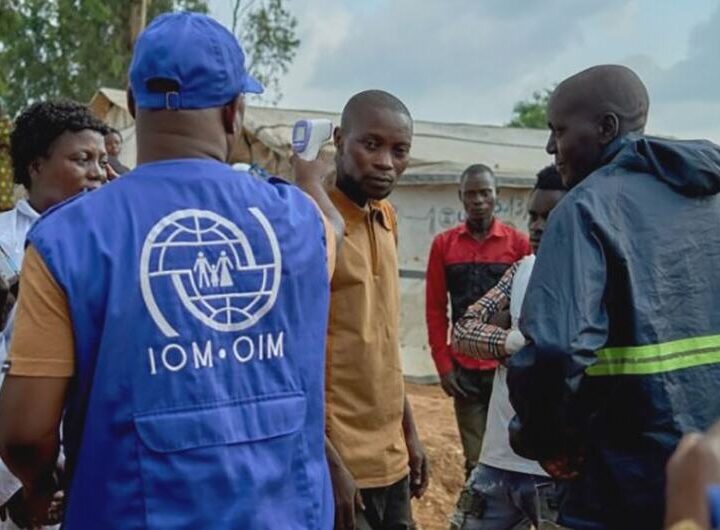 Ebola: IOM urges wider surveillance beyond formal routes in DR Congo
 This magic mushroom can kill