
SYDNEY, November 4 (IPS) – As in previous elections, the latest Israeli national election offered people no real choice. They had to choose between bad Zionists and good Zionists. Thus, unsurprisingly, there is no clear winner – both major blocs are neck and neck as usual. The only difference this time is the Arab voting power. By uniting and turning out in record numbers, the Arab coalition secured 19 seats (nearly double the 10 it won in 2022), against the Netanyahu-led bloc’s 53 and the Gadi Eisenkot-led bloc’s 48. Neither bloc has a governable majority, so many are looking to the Arab bloc as a kingmaker, either joining formally or supporting one of the blocs on the no-confidence and supply bills. But they are on the horns of a dilemma, caught between a rock and a hard place.
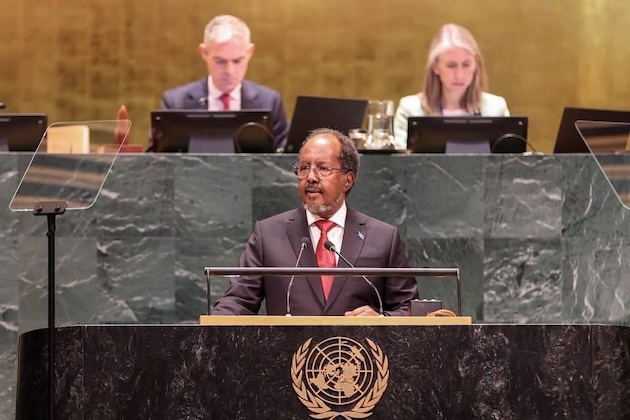 Somalia-UAE Rift: Regional Power Struggle or Distraction from Domestic Crisis?
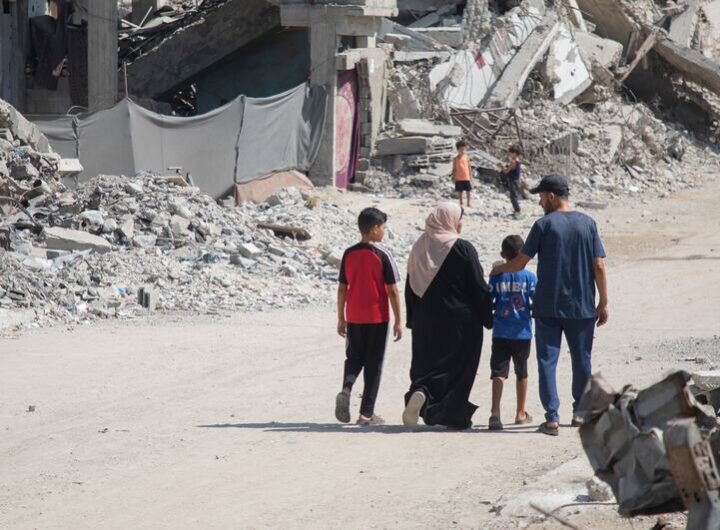 Gaza war has undone 77 years of human development, UN warns
 UN’s Attempt to Regulate Killer Robots Hits a Dead End
 AI Data Centres: Local Damage, World Threat
 UN chief urges talks on global AI safety framework, warns of historic shift in power
 Parliament Representation Reflects Diversity