
 Meet Swiftiephylus, an Australian bug named after Taylor Swift
Four newly described species of Australian plant bug have been named in honor of renowned recording artist Taylor Swift.
SCIENTIFIC NEWS
 ‘Bogland’ explores beautifully strange ecosystems
Ecologist Merritt Turetsky’s devotion to bogs, fens and other fascinating water-logged spaces saturates her new book.
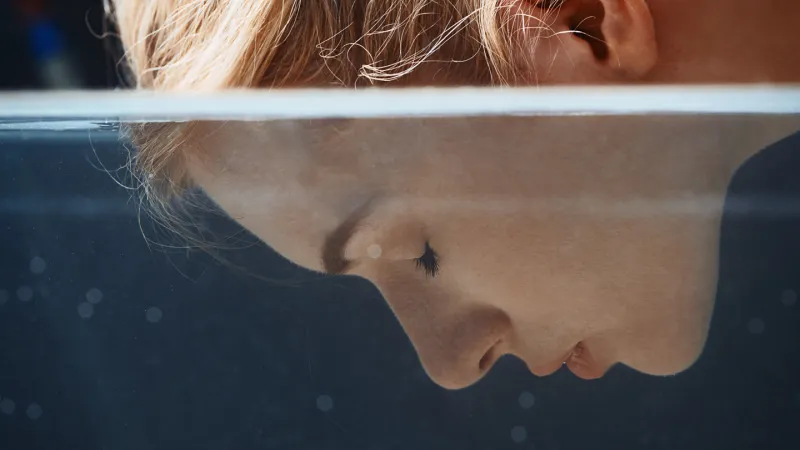 Feeling nervous? Work the system
Scientists are exploring new ways to regain control of overactive nervous systems including humming, tapping on the skin and cold-water immersion.
 These deep-sea spiders give off an otherworldly glow
An expedition of a deep-sea trench near Australia uncovered the eerie sea spider specimens, whose glow may have been chronicled in 19th century documents.
 These neutrinos from the sun have the lowest energies ever seen
The XENONnT detector glimpsed the ethereal subatomic particles that are born from the main type of fusion reaction that powers the sun.
 A human set a new mathematical record. Then AI came for it
OpenAI is at the center of another controversy over machines tackling big math problems. This one’s about the twin prime conjecture.
 How the body adapts to extreme heat
As heatwaves become more frequent and severe, scientists are studying whether heat acclimation can help protect vulnerable populations.
 Historical art can hide scientific secrets
Scientists are working closely with art historians to uncover scientific documentation in historic paintings.
 The Sept. 11 disasters still shape people’s health 25 years later
The anniversaries come and go, but the physical and mental health of workers and survivors is still being affected by September 11, 2001.
 Climate change is shifting malaria hot spots in Africa
Historic data and predictions suggest cases will rise in East Africa and southern regions, while the threat may ease in West and Central Africa.
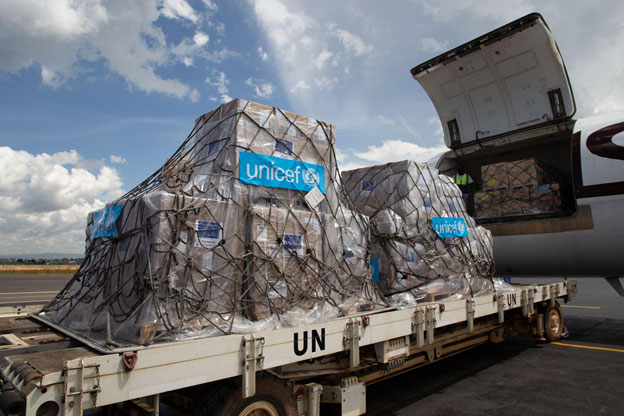 Ebola Spread Raises Fresh Urgency for Africa’s Domestic Health Funding
 Crossword: Time lines
 If the UN COP17 Is Serious About Biodiversity, It Needs to Follow the Money
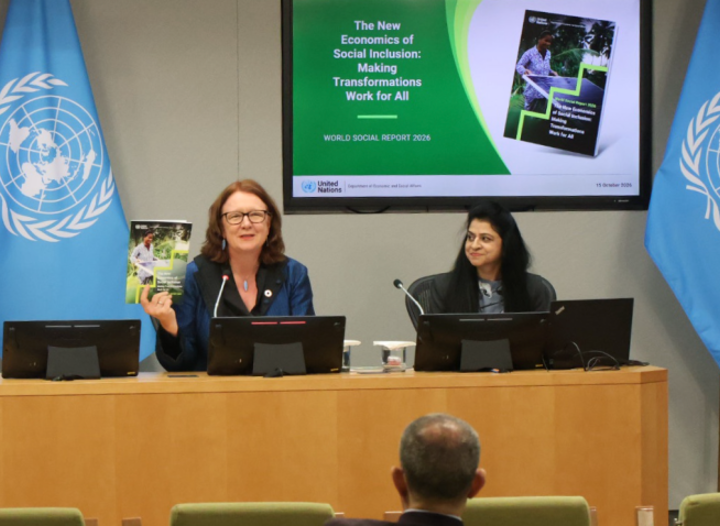 ‘Prioritize Social Inclusion as Rapid Transformations Risk Leaving Millions Behind’