

MONTREAL, Canada, Nov 04 (IPS) – It is no secret that humankind’s past actions have accelerated the deterioration of ecosystems, negatively impacting our economies, societies, health, and cultures. It is estimated that humans have altered over 97% of ecosystems worldwide, to date. One million species are currently threatened with extinction (IPBES). The writing on the wall is clear. Our planet is in crisis. The sobering reality is that if we continue on our current trajectory, biodiversity and the services it provides will continue to decline, jeopardizing the achievement of the Sustainable Development Goals and our lives as we know them. The decline in biodiversity is expected to further accelerate unless effective action is taken to address the underlying causes of biodiversity loss. These causes are often justified by societal values, norms and behaviors. Some examples include unsustainable production and consumption patterns, human population dynamics and trends, and technological innovation patterns.
Read the full story, “COP 15: Its Time to Decide on a Future”, on globalissues.org →
 Could your brain data be used against you? UN calls for limits on neurotechnology
  AI, green energy and economic transitions risk leaving vulnerable communities behind, UN warns
 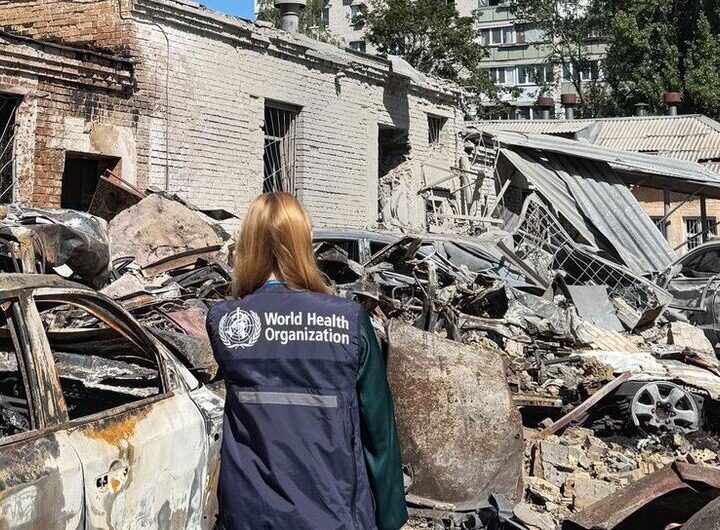 Ukraine: Critical health supplies destroyed in ongoing Russian attacks
  Afghanistan faces record hunger levels amid rampant rights violations
  World losing ground in ‘war on nature’ as progress on biodiversity targets lags
 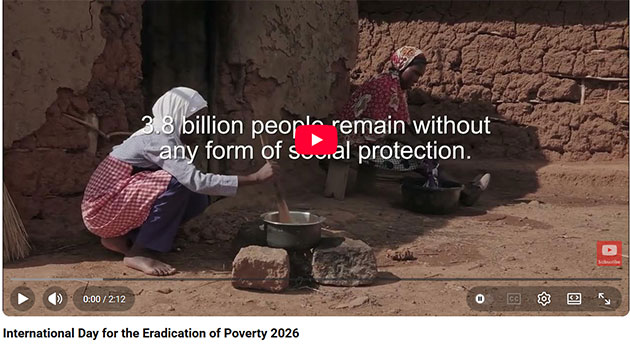 International Day for the Eradication of Poverty 2026