

DHAKA, Jun 30 (IPS) – Rani Akter, a mother of five, usually works as a domestic helper in Dhaka’s Zikatola area. When the coronavirus pandemic broke out in Bangladesh last March, her employers asked her not to come to their homes for fear of infection.
“I lost my work in three houses one after the other, which became a nightmare for me. My rich employers did not allow me in their homes as they thought that I might carry the invisible virus,” Akter told IPS.
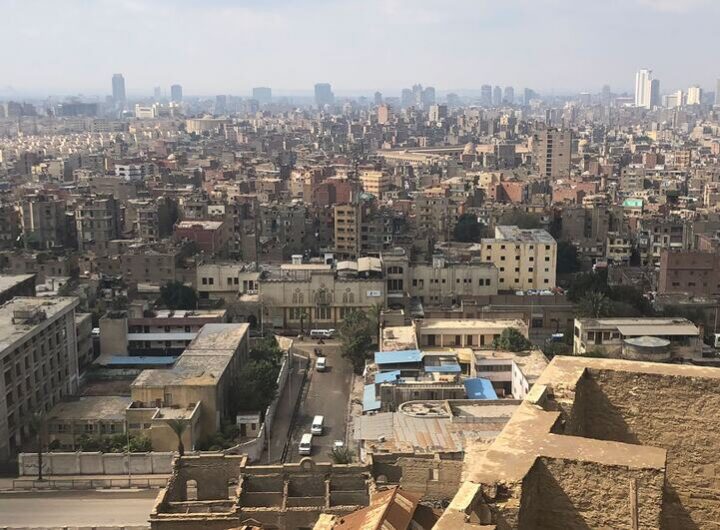 Egypt: Fact-checking site’s entire newsroom jailed as assault on press freedom widens
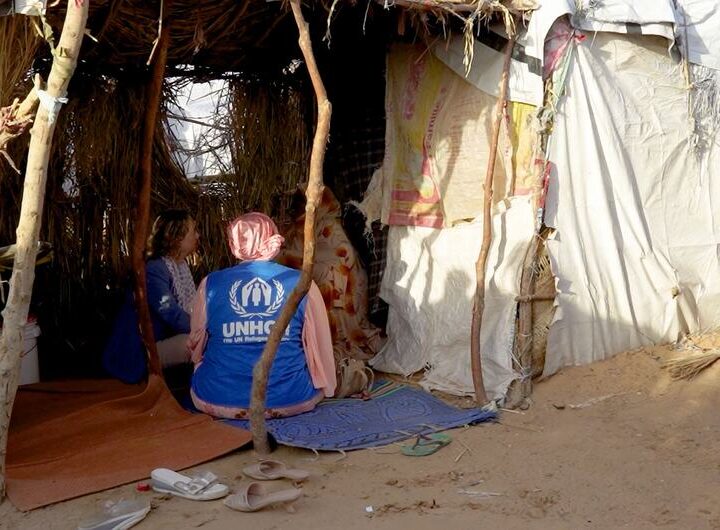 Nearly 64,000 flee Nigeria for Niger where a humanitarian crisis is deepening
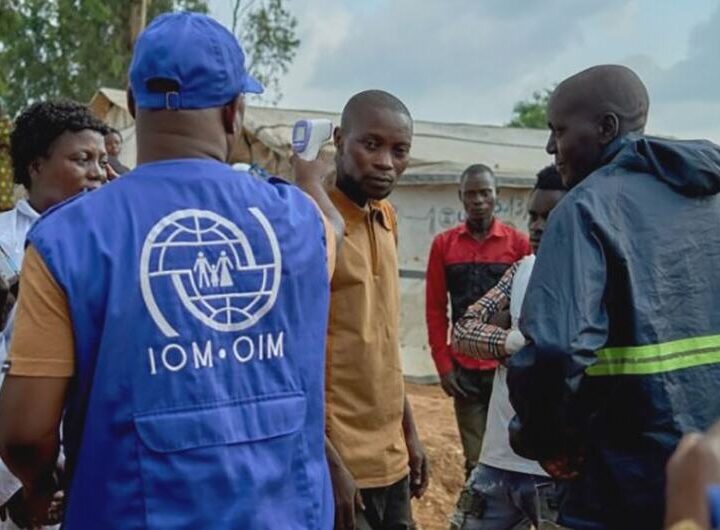 Ebola: IOM urges wider surveillance beyond formal routes in DR Congo
 Before We Declare Gender Bias Dead, Read the Footnotes
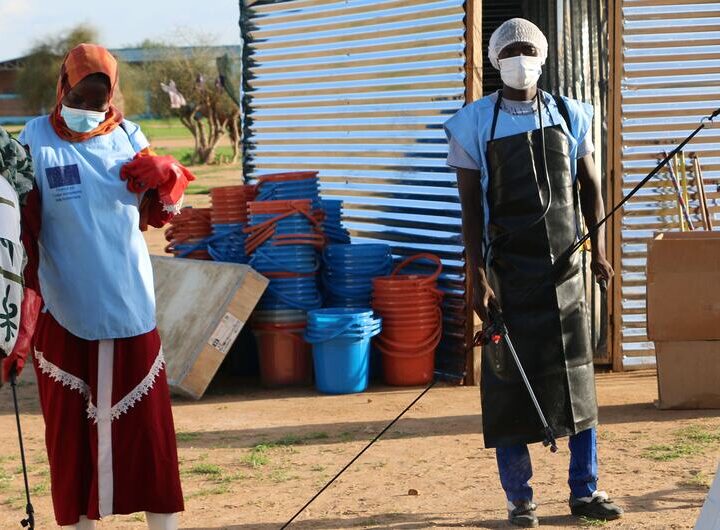 World News in Brief: Ending cholera by 2030 ‘within reach’, Haiti displacement and hunger, US human rights review rescheduled
 Climate crisis could push 141 million more women into extreme poverty
 Light is hard to block from every direction. This physicist found a way