
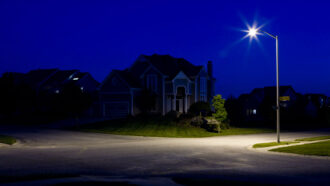
Don’t dim the lights. A survey using more than 6,000 chickens across Florida shows that low levels of light pollution may increase the risk for West Nile virus exposure, researchers report March 24 in Proceedings of the Royal Society B.
Meredith Kernbach, a disease ecologist at the University of South Florida in Tampa, had previously shown that low light at night increased the time that sparrows infected with West Nile were capable of passing on the disease (SN: 1/19/18). She and her colleagues wanted to know if light pollution might also increase the disease’s natural spread in the suburbs.
Cue the sentinel chickens (SN: 4/9/19). The team coupled four years of data from these chickens, kept in coops across the state to monitor the spread of diseases, with a world atlas of artificial night sky brightness. Chickens tested positive for antibodies to West Nile virus more often when there was a little bit of light than in bright light or no light at all, the data showed.
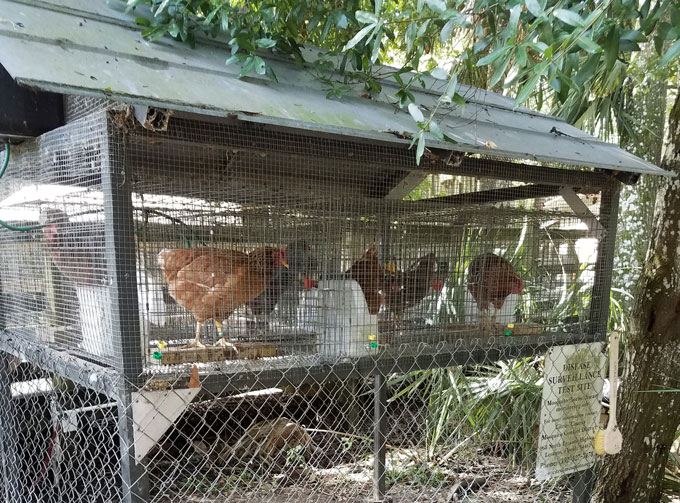
“Where there’s no light pollution, there’s very low exposure risk,” Kernbach says. “And then as you move into these areas of dim light pollution, the exposure risk goes way up.” In bright areas, risk drops again. Those dimly lit areas correspond to suburbs and some rural areas, Kernbach says.
Obviously, chickens getting mosquito bites aren’t humans getting West Nile virus. But the findings could help explain why West Nile virus, the most common mosquito-borne disease in the continental United States, is so closely associated with human environments.
The researchers showed sky brightness was a better predictor of West Nile exposure than human density or paved surfaces — two other environmental factors thought to predict spread. But this study has only begun to shed light on why this happens, Kernbach notes. “We have a reason to look at this now and …understand what is it about light pollution that’s driving this.”
 Magnetism may have helped kick-start our solar system
  Peru’s penguins are on the brink. A super El Niño could make it worse.
  These are the first feathers ever found in fossilized dinosaur poop
 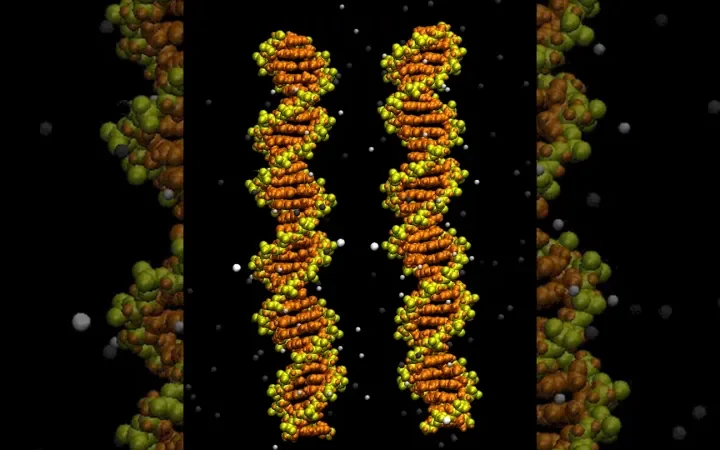 See the secret to DNA hookups
 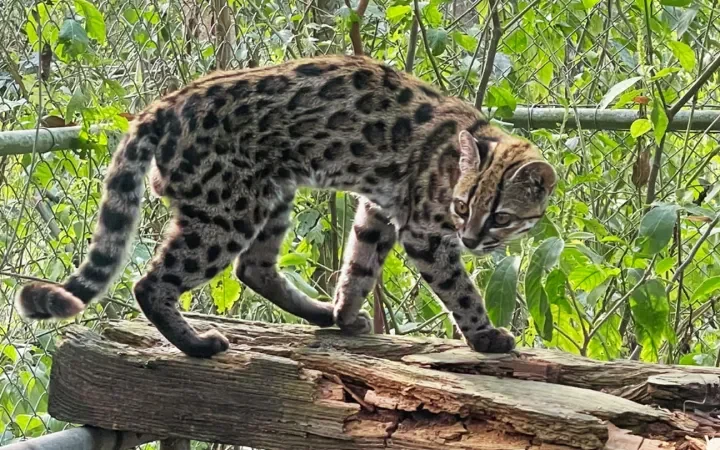 Meet the newest living cat species, the first described in 100 years
 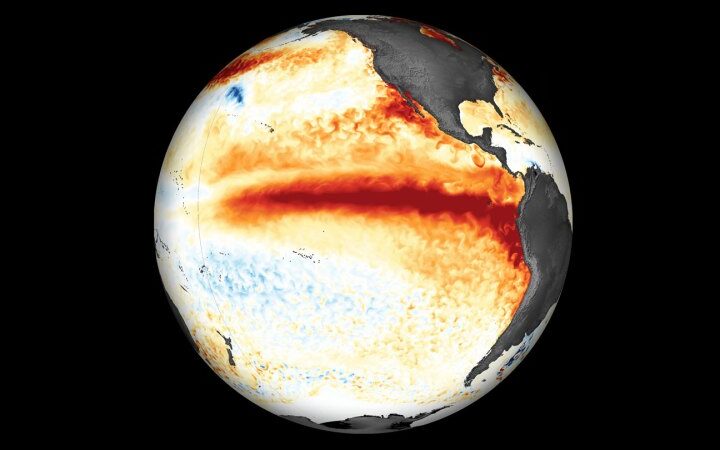 This year’s El Niño just broke a record months before it’s expected to peak
  LIVE: World leaders take stock of global fight against racism
  Security Council LIVE: Ambassadors meet as West Bank tensions rise, Gaza plan stalls
 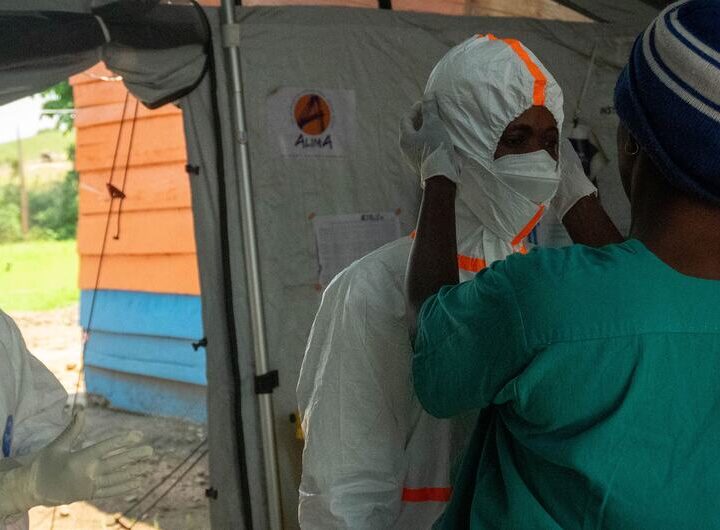 DR Congo Ebola emergency: Calls grow for urgent humanitarian access
  Rohingya Camps: Children in Frontline of Food Rationing Crisis