
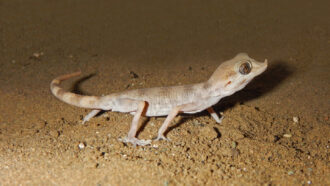
A handful of small, nocturnal geckos have spilled their guts for science, revealing how the creatures get by in a part of Earth’s hottest landscape.
Surface temperatures in the Lut Desert in Iran, home to the Misonne’s spider gecko (Rhinogecko misonnei), soar past 65° Celsius more frequently than anywhere else on the planet. The extreme heat makes it difficult for life to thrive, and for years, ecologists have regarded the desert as mostly barren.
To find out how the geckos sustain themselves in this desolate oven, entomologist Hossein Rajaei of the State Museum of Natural History in Stuttgart, Germany and colleagues analyzed the stomach contents of six geckos using DNA metabarcoding (SN: 4/18/16). The technique compares chunks of DNA with a species identification database, like a bar code scanner in a grocery store. “It’s very accurate, very comprehensive and very trustable,” Rajaei says.
Within the geckos’ digestive soup stewed DNA from 94 species, about 81 percent of which hail from outside the Lut Desert, the team reports November 18 in the Journal of Zoological Systematics and Evolutionary Research.
The majority of these outsiders were winged insects such as flies, moths and wasps that migrate through the desert from bordering temperate landscapes. The remaining species — arachnids, arthropods and more moths — are endemic to the Lut, but are elusive in its heart, where the geckos were collected. The unexpected diversity highlights that there’s more living in this desert than meets the eye, Rajaei says.
The findings underscore the importance of intertwined food webs for animals to survive in hostile habitats, says Robert Pringle, an ecologist at Princeton University who was not involved in the research. “The movement of insects from outside the immediate area subsidizes the geckos and helps them to persist in this extreme desert environment,” he says.
 Magnetism may have helped kick-start our solar system
 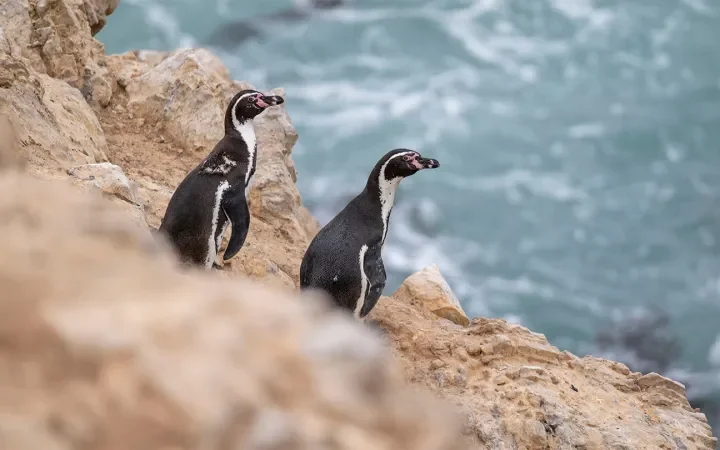 Peru’s penguins are on the brink. A super El Niño could make it worse.
 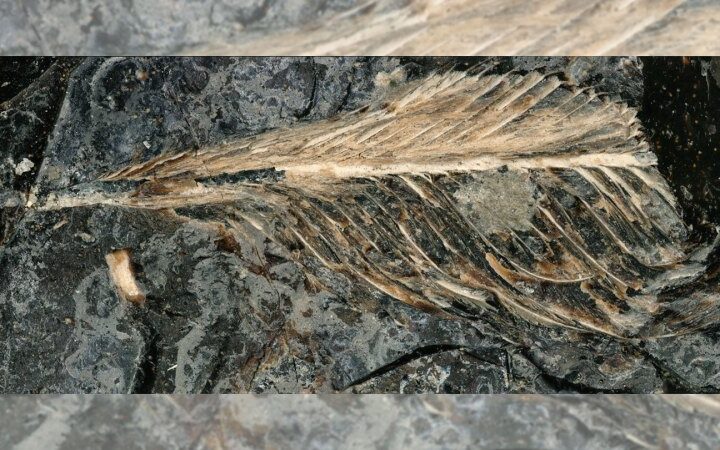 These are the first feathers ever found in fossilized dinosaur poop
 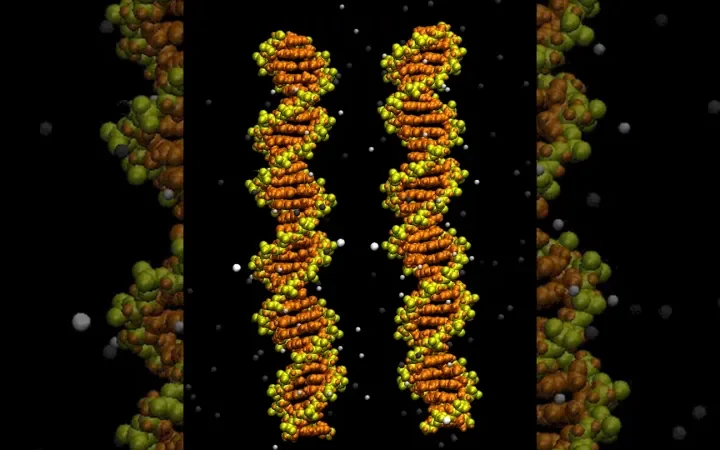 See the secret to DNA hookups
 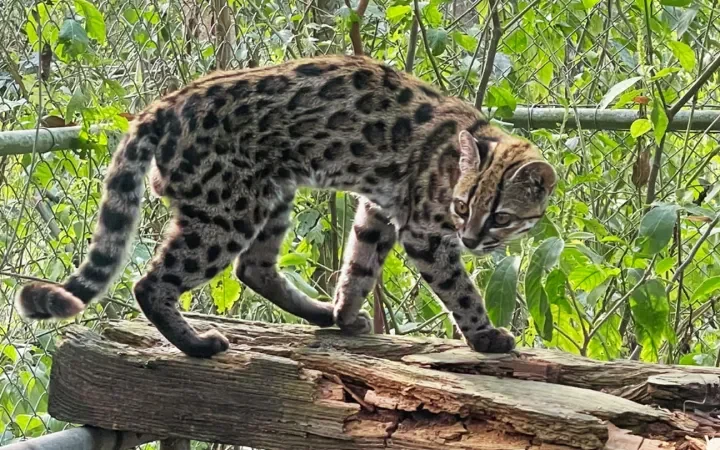 Meet the newest living cat species, the first described in 100 years
  This year’s El Niño just broke a record months before it’s expected to peak
  LIVE: World leaders take stock of global fight against racism
  Security Council LIVE: Ambassadors meet as West Bank tensions rise, Gaza plan stalls
  DR Congo Ebola emergency: Calls grow for urgent humanitarian access
  Rohingya Camps: Children in Frontline of Food Rationing Crisis