

The Big Dipper’s stars make up a conspicuous landmark in the sky of the Northern Hemisphere. Even novice stargazers can easily pick out the shape, part of the Ursa Major constellation. Now, scientists have shown that three factors can explain why certain groups of stars form such recognizable patterns.
To replicate how humans perceive the celestial sphere, a team of researchers considered how the eye might travel randomly across this night sky. Human eyes tend to move in discrete jumps, called saccades (SN: 10/31/11), from one point of interest to another. The team created a simulation that incorporated the distribution of lengths of those saccades, combined that with basic details of the night sky as seen from Earth — namely the apparent distances between neighboring stars and their brightnesses.
The technique could reproduce individual constellations, such as Dorado, the dolphinfish. And when used to map the whole sky, the simulation generated groupings of stars that tended to align with the 88 modern constellations recognized by the International Astronomical Union, Sophia David and colleagues reported March 18 at an online meeting of the American Physical Society.
“Ancient people from various cultures connected similar groupings of stars independently of each other,” said David, a high school student at Friends’ Central School in Wynnewood, Penn., who worked with network scientists at the University of Pennsylvania. “And this indicates that there are some fundamental aspects of human learning … that influence the ways in which we organize information.”
 Magnetism may have helped kick-start our solar system
  Peru’s penguins are on the brink. A super El Niño could make it worse.
  These are the first feathers ever found in fossilized dinosaur poop
 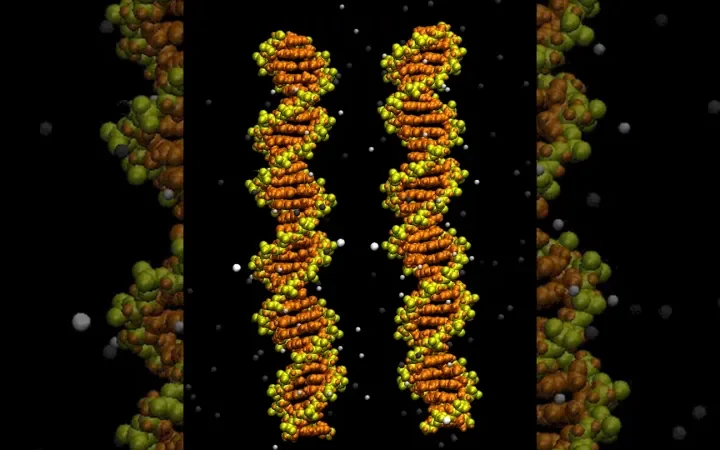 See the secret to DNA hookups
  Meet the newest living cat species, the first described in 100 years
 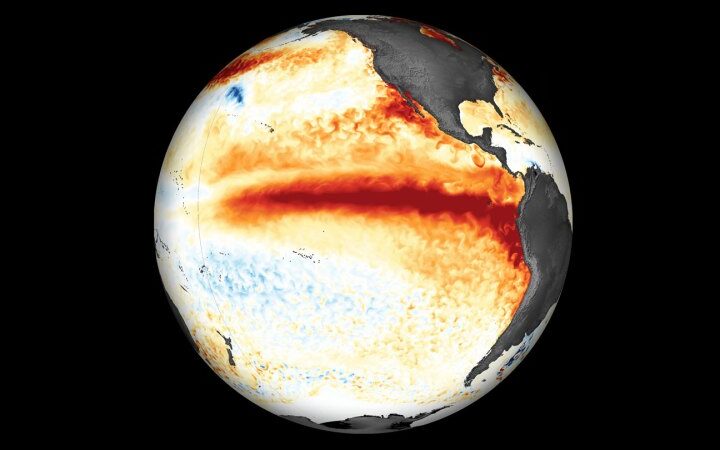 This year’s El Niño just broke a record months before it’s expected to peak
  LIVE: World leaders take stock of global fight against racism
 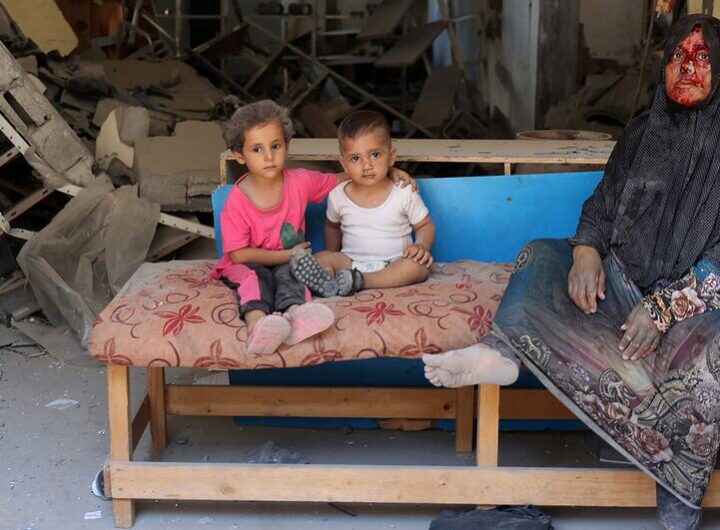 Security Council LIVE: Ambassadors meet as West Bank tensions rise, Gaza plan stalls
 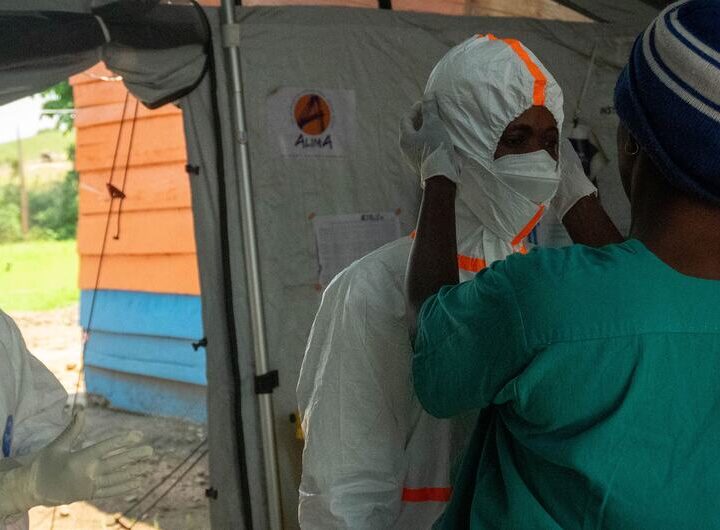 DR Congo Ebola emergency: Calls grow for urgent humanitarian access
 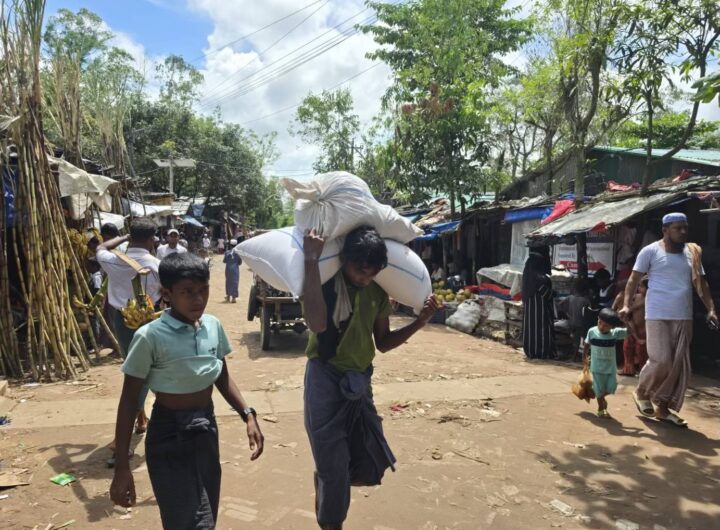 Rohingya Camps: Children in Frontline of Food Rationing Crisis