
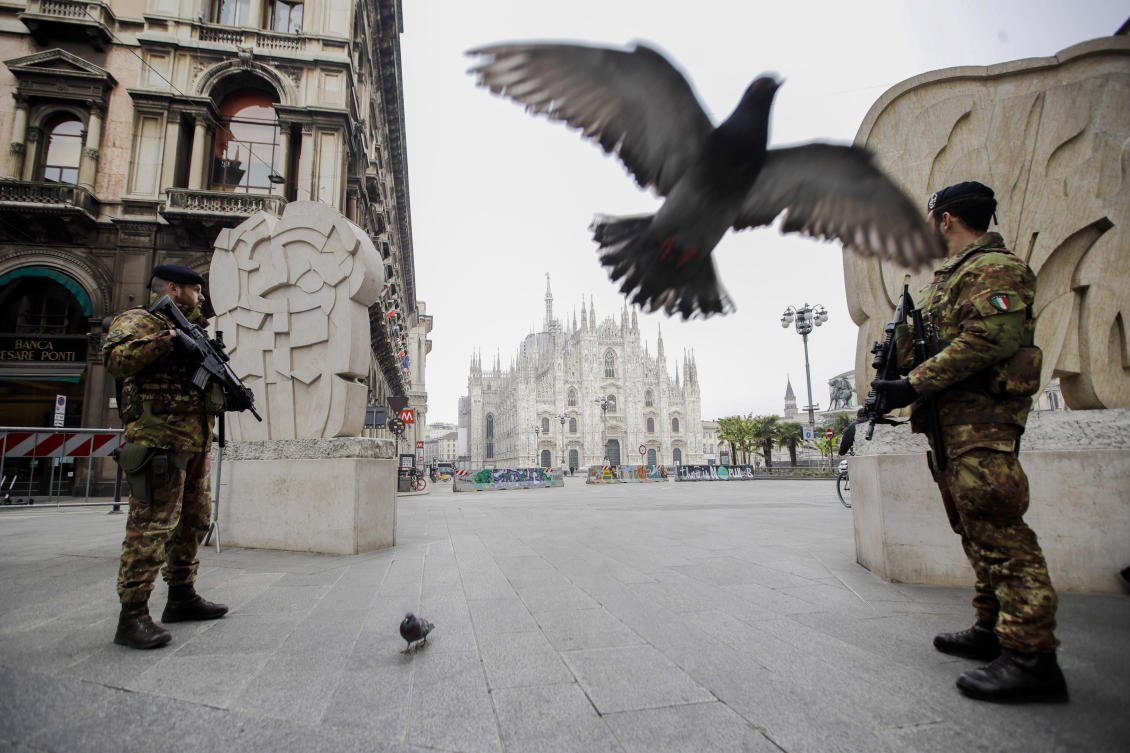
ROME: An adviser to Italy’s health ministry has called for coronavirus restrictions to be drastically tightened to avoid a “national tragedy” after the national statistics bureau ISTAT said deaths this year would be the highest since World War Two.
“We are in a war situation, people don’t realize it but the last time we had this many deaths, bombs were dropping on our cities during the war,” public health professor Walter Ricciardi told the television channel la7 on Tuesday evening.
Ricciardi, the adviser to Health Minister Roberto Speranza, said the government, which is considering tightening restrictions over the Christmas and New Year holidays, should lock down the main cities completely.
In an interview with Wednesday’s daily La Stampa, he said Rome had been “constantly late” in responding to the second, autumn wave of the virus.
Italy reported 846 COVID-19 deaths on Tuesday, taking the official total to 65,857, the fifth highest in the world.
As in many other countries, that total is widely considered to be an underestimate because many people who died of COVID-19 during the first wave were never tested for the virus.
ISTAT head Gian Carlo Blangiardo said on Tuesday that the overall number of deaths in Italy this year would exceed 700,000, against 647,000 in 2019.
“The last time something like this happened was in 1944 when we were at the height of the Second World War,” he told RAI state television.
Prime Minister Giuseppe Conte on Tuesday urged Italians to avoid “irresponsible” gatherings over the holidays and said the government might make some “small adjustments” to its current restrictions.
But Ricciardi told La Stampa this was not enough:
“The Netherlands has locked down with half our deaths, Germany has locked down with a third of them — I don’t understand this hesitation. If we don’t take adequate measures, we are heading for a national tragedy.”
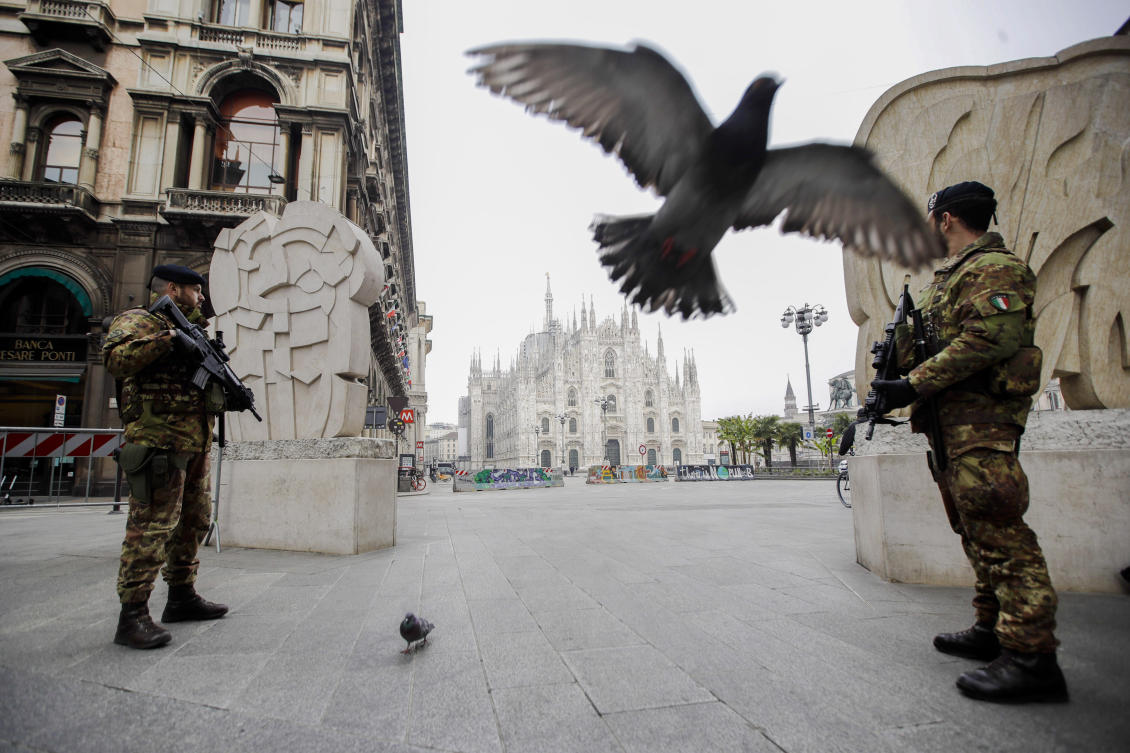
Italy to impose anti-coronavirus night curfewItaly’s Lombardy region to impose virus curfew
 A new map points out U.S. rivers most worth protecting
  Exhaling may speed up reaction times
  A medieval remedy could offer ideas for beating antibiotic resistance
 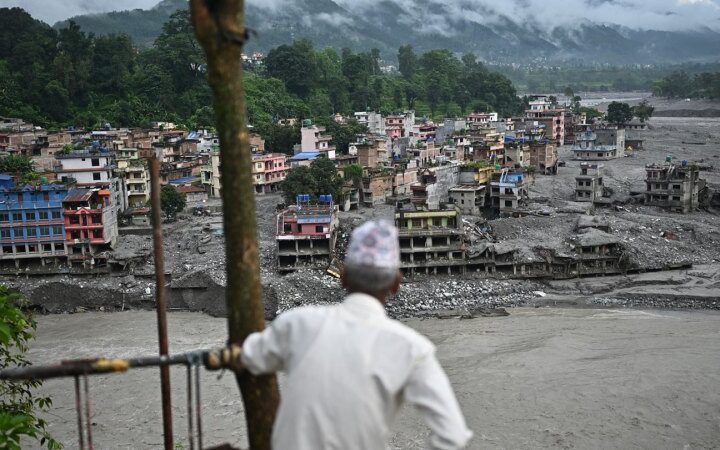 In the wake of the flood, could Nepal avert the next disaster?
  ‘The Deep End’ podcast is back to explore what makes your voice yours
  Magnetism may have helped kick-start our solar system
  Could a new global panel defuse inequality’s ‘ticking time bomb’?
  Homicides fall as organised crime grows more profitable – and networked
 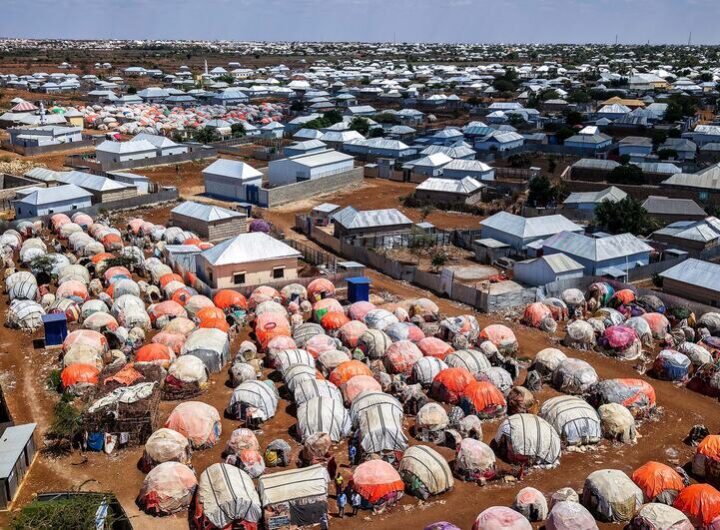 Somali families face renewed violence amid worsening hunger crisis
  World News in Brief: Storm clouds over Gaza, deadly obstacles face Mexican women rights defenders, Latvia booze ban proves lifesaver