

A hungry brain craves food. A lonely brain craves people. After spending a day completely isolated from anyone else, people’s brains perked up at the sight of social gatherings, like a hungry person’s brain seeing food, scientists report November 23 in Nature Neuroscience.
Cognitive neuroscientist Livia Tomova, then at MIT, and her colleagues had 40 participants fast for 10 hours. At the end of the day, certain nerve cells in the midbrain fired up in response to pictures of pizza and chocolate cake. Those neurons — in the substantia nigra pars compacta and ventral tegmental area — produce dopamine, a chemical messenger associated with reward (SN: 8/27/15).
On a different day, the same people underwent 10 hours of isolation (no friends, no Facebook and no Instagram). That evening, neurons in the same spot activated in response to pictures of people chatting or playing team sports. The more hunger or isolation the subject reported, the stronger the effect (SN: 10/4/17).
In people who reported that they were generally more lonely, the social responses were blunted. “We don’t really know what causes that,” Tomova says. “Maybe being isolated doesn’t really affect them as much, because it’s something that is not that different, perhaps, from their everyday life.”
The midbrain, which plays an important role in people’s motivation to seek food, friends, gambling or drugs, responds to food and social signals even when people aren’t hungry or lonely. After all, a person always could eat or hang out. But hunger and loneliness increased the reaction and made people’s responses specific to the thing they were missing.
The findings “speak to our current state,” says Tomova, now at the University of Cambridge. COVID-19 has left many more socially isolated, putting mental as well as physical health at stake (SN: 3/29/20) and leaving people with cravings for more than food. “It’s important to look at the social dimension of this kind of crisis.”
 Gaza: Families brace for fourth winter in tents as aid operations remain stymied
 General Assembly weighs US embargo against Cuba ahead of 34th vote
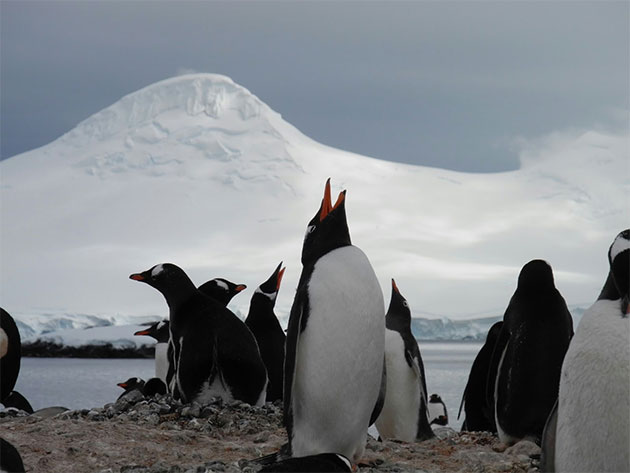 The World Is Watching Norway. Will the Country Protect Antarctica?
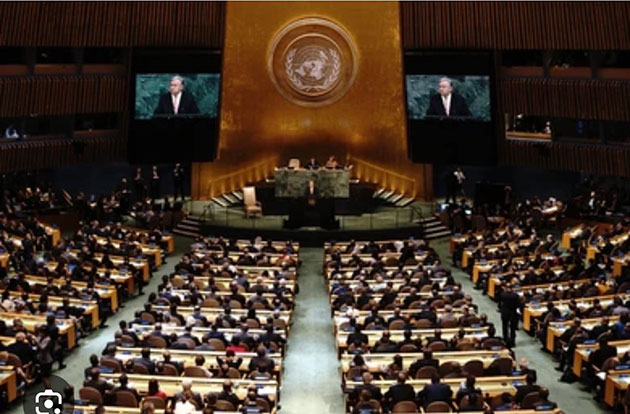 Fifty Years at the Table: What Small Nations Need from the Next UN Secretary-General
 Farwiza Farhan’s Fight To Save Tropical Hotspot of Indonesia – the Leuser
 We Cannot Afford to Manage Chemicals One at a Time
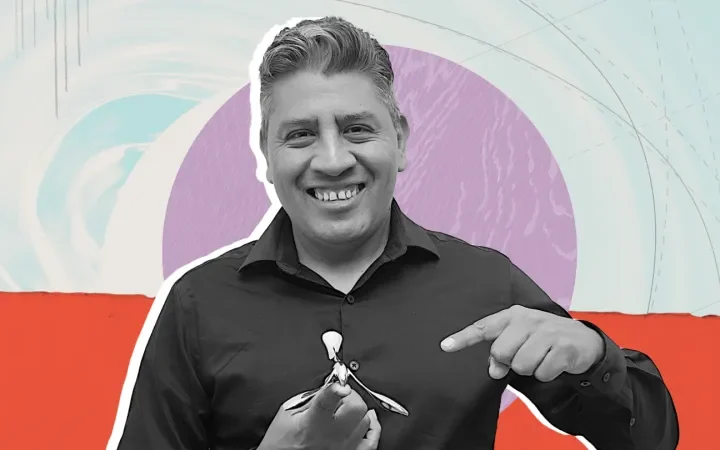 Why do flamingos dance while they eat? This scientist found out
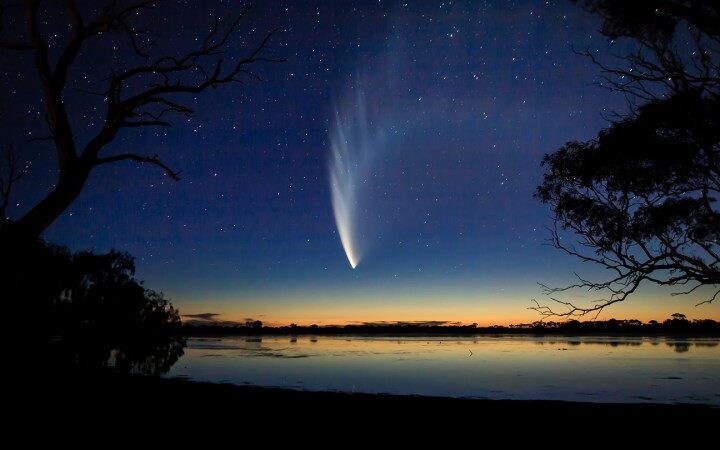 Comets probably didn’t deliver life’s building blocks to Earth