

An estimated 5.2 million children worldwide have lost a parent or caregiver to COVID-19.
The tally covers the beginning of the pandemic through October 2021, during which there were about 5 million deaths globally from COVID-19. With each reported death, at least one child became orphaned — losing one or both parents — or experienced the loss of a caregiver, such as a grandparent or other adult relative that lived in the home, researchers report online February 24 in the Lancet Child & Adolescent Health.
Of the more than 3 million children who became orphans, just over 2 million were 10 to 17 years old, nearly 740,000 were ages 5 to 9, and almost 500,000 were 4 years old or younger. Close to 800,000 children lost their mothers. The fathers of more than 2.5 million children died of COVID-19.
The international research team’s calculations are based on an analysis of reported COVID-19 deaths, excess deaths that occurred during the pandemic (those beyond what would be expected without a pandemic) and other data from 21 countries.
Previously, the team had estimated that from March 2020 through April 2021, 1.5 million children lost a parent or caregiver as a result of COVID-19 (SN: 8/10/21). The researchers adjusted that total to 2.7 million, based on updated mortality data. That means that over the six months from May through October 2021, the number of children who lost a parent or caregiver due to COVID-19 almost doubled, from 2.7 million to 5.2 million.
Sign up for e-mail updates on the latest coronavirus news and research
The death of a parent or caregiver can harm the long-term health and well-being of children (SN: 10/27/21). “Our findings suggest an urgent need for pandemic responses to prioritize children affected by deaths of parents and caregivers,” the researchers write, with approaches tailored to the age- and circumstance-dependent risks that children face. For example, studies have found that orphaned adolescents are more likely to leave school and report symptoms of depression than those who aren’t orphans.
 Magnetism may have helped kick-start our solar system
 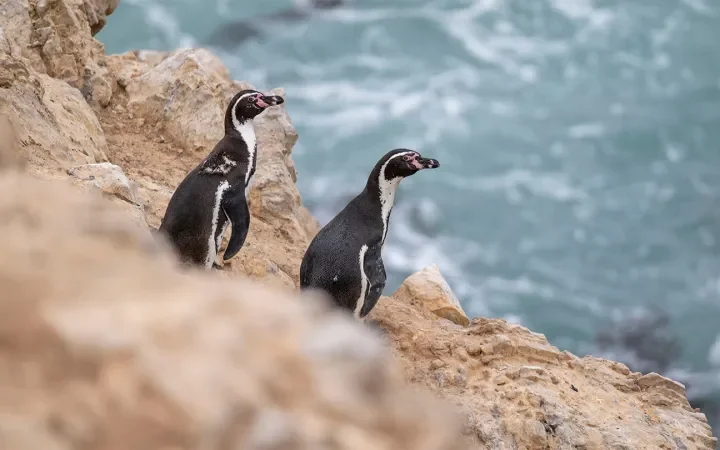 Peru’s penguins are on the brink. A super El Niño could make it worse.
 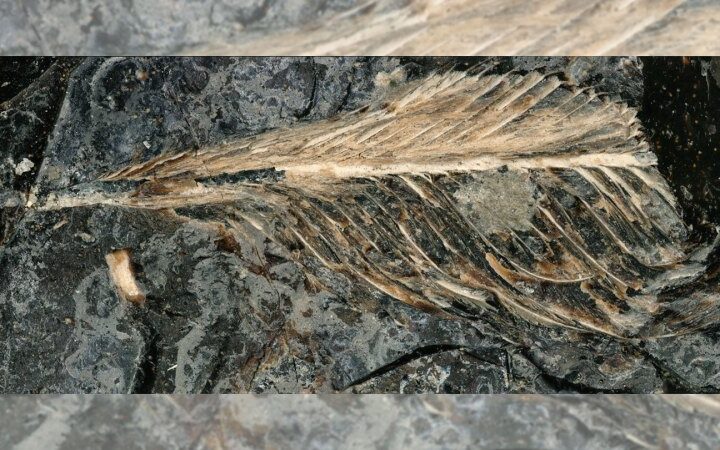 These are the first feathers ever found in fossilized dinosaur poop
 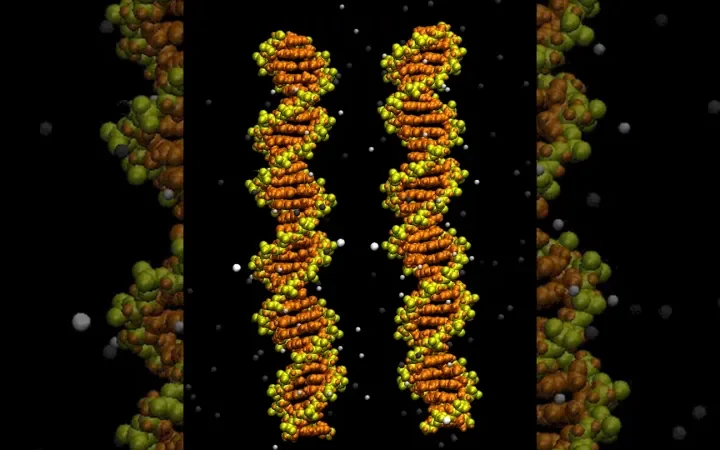 See the secret to DNA hookups
 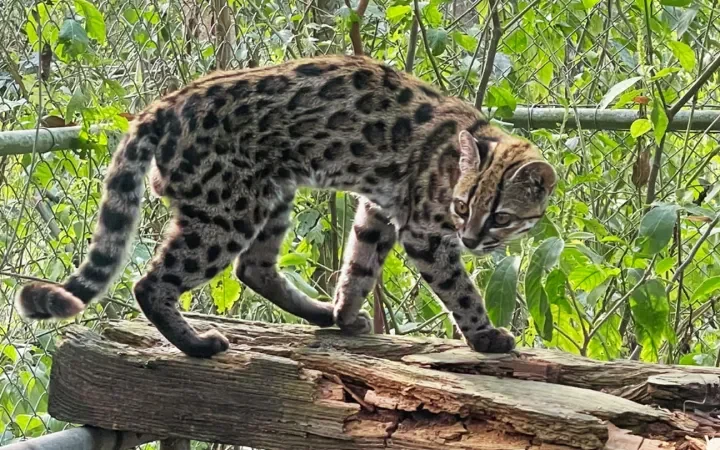 Meet the newest living cat species, the first described in 100 years
  This year’s El Niño just broke a record months before it’s expected to peak
  World News in Brief: Refugee funding, US migration policy triggers ‘cascade’ of rights violations, world forests report, restorative justice in Colombia
  From energy crisis to energy transition: How renewables are reshaping energy security
  Sudan tells UN: No imposed solutions to country’s conflict
  ‘Ballot must replace the bullets’, South Sudan tells General Assembly ahead of elections