
Disturbing reports have continued to emerge of widespread abuse of civilians in Ethiopia’s Tigray region, nearly six months since conflict erupted, the UN Children’s...
 Videocalling needed more than a pandemic to finally take off. Will it last?
Eileen Donovan, an 89-year-old mother of seven living in a Boston suburb, loved watching her daughter teach class on Zoom during the coronavirus pandemic....
 50 years ago, scientists claimed marijuana threatened teens’ mental health
The continuing battle over pot — Science News, April 24,1971 The White House Conference on Youth voted to legalize the sale of grass (with...
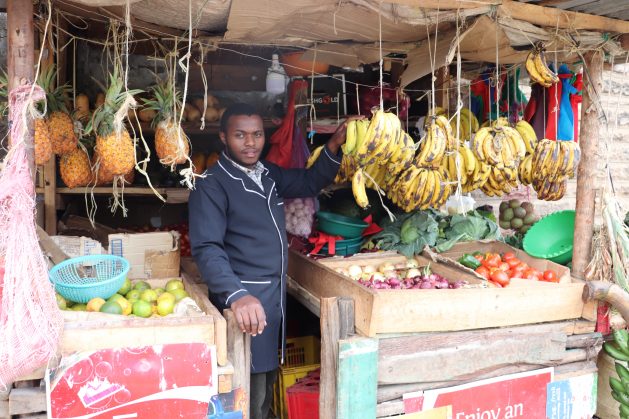 Kenya’s Poor Need Different Lockdown Restrictions to Survive, Scientists Urge
NAIROBI, Apr 19 (IPS) – After Joseph Mandu lost his job because of the country’s coronavirus lockdown, he would still wake every morning and...
BOSTON and KUALA LUMPUR, Apr 20 (IPS) – Since the Alliance for a Green Revolution in Africa (AGRA) was launched in 2006, yields have...
KATHMANDU, Nepal, Apr 20 (IPS) – The writer* is Co-Founder, ENGAGE, Inclusive Change Through Volunteering, a not-for-profit in Nepal. The numbers are so staggering...
UN Secretary-General António Guterres called on Monday for leaders in Asia to bolster efforts towards finding a peaceful solution to the bloody crisis in...
The Earth’s temperature continues to rise unabated, with 2020 being one of the three warmest years on record, as extreme weather events combine with...
Following a series of powerful eruptions from La Soufrière volcano on the Caribbean island of Saint Vincent, the UN chief on Monday expressed deep...
The teenage climate activist Greta Thunberg has donated 100,000 Euros to boost global efforts to deliver COVID-19 vaccines to anyone, anywhere, who needs them,...
 COP17: The world has a plan to save nature. Is it working?
  Flour sacks turned flood barriers: Gaza faces another winter without safe shelter
  WHO scales up Ebola readiness in 22 countries across three continents
  Ukraine: Civilian casualty rates among ‘deadliest’ in years, as energy attacks intensify