
By attaching electrodes to the plant’s leaves, researchers found a way to snap its traps shut on command.
By attaching electrodes to the plant’s leaves, researchers found a way to snap its traps shut on command.
By attaching electrodes to the plant’s leaves, researchers found a way to snap its traps shut on command.
By attaching electrodes to the plant’s leaves, researchers found a way to snap its traps shut on command.
By attaching electrodes to the plant’s leaves, researchers found a way to snap its traps shut on command.
By attaching electrodes to the plant’s leaves, researchers found a way to snap its traps shut on command.
By attaching electrodes to the plant’s leaves, researchers found a way to snap its traps shut on command.
By attaching electrodes to the plant’s leaves, researchers found a way to snap its traps shut on command.
By attaching electrodes to the plant’s leaves, researchers found a way to snap its traps shut on command.
By attaching electrodes to the plant’s leaves, researchers found a way to snap its traps shut on command.
 Guterres honours Indonesian troops who paid ‘ultimate sacrifice’
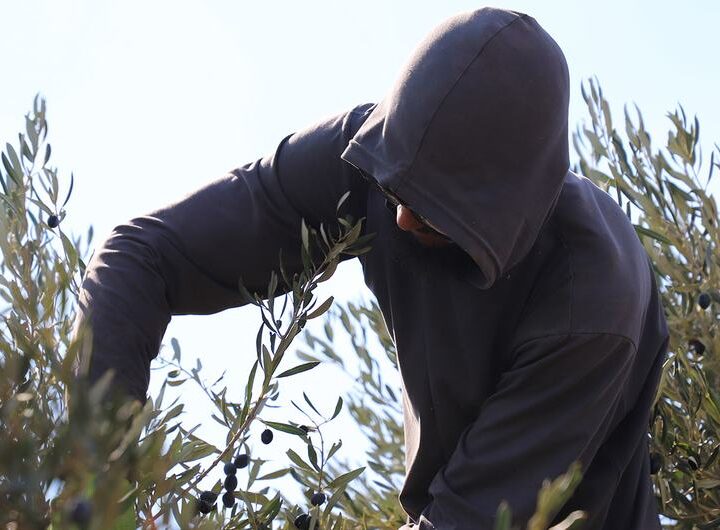 ‘Season of fear’: Escalating Israeli attacks on West Bank olive farmers, deadly strikes on Gaza
 Haiti: Elections on hold as gangs adapt to security crackdown, Security Council hears
 Protecting Earth’s fragile biodiversity takes spotlight at Armenia talks