
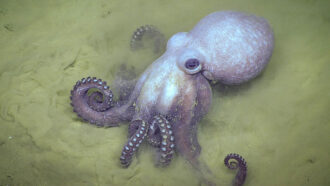
Tiny holes in three fossil clams reveal that by 75 million years ago, ancient octopuses were deviously drilling into their prey. The find pushes evidence of this behavior back 25 million years, scientists report February 22 in the Biological Journal of the Linnean Society.
The clams, Nymphalucina occidentalis, once lived in what is now South Dakota, where an inland sea divided western and eastern North America. While examining the shells, now at the American Museum of Natural History in New York, paleontologists Adiël Klompmaker of the University of Alabama in Tuscaloosa and AMNH’s Neil Landman spotted telltale oval-shaped holes. Each hole was between 0.5 and 1 millimeters in diameter, thinner than a strand of spaghetti.
A modern octopus uses a sharp ribbon of teeth called a radula on its tongue to drill a hole into thick-shelled prey — useful for when the shell is too tough for the octopus to pop apart with its suckers. The octopus then injects venom into the hole, paralyzing the prey and dissolving it a bit, which makes for easier eating. Octopus-drilled holes were previously found in shells dating to 50 million years ago, but the new find suggests this drilling habit evolved a quarter million years earlier in their history.
Such drill holes augment the scant fossil record of octopus evolution. The soft bodies of the clever, eight-armed Einsteins don’t lend themselves well to fossilization, tending instead to decay away (SN: 8/12/15). What fossils do exist — a handful of specimens dating to about 95 million years ago — suggest little change in the basic body plan from ancient to modern octopuses.
The find also puts the evolution of octopus drilling squarely within the Mesozoic Marine Revolution, an escalation in the ancient arms race between ocean predators and prey (SN: 6/15/17). During the Mesozoic Era, which spanned 251 million to 66 million years ago, predators lurking near the seafloor became adept at crushing or boring holes into the shells of their prey.
 Magnetism may have helped kick-start our solar system
 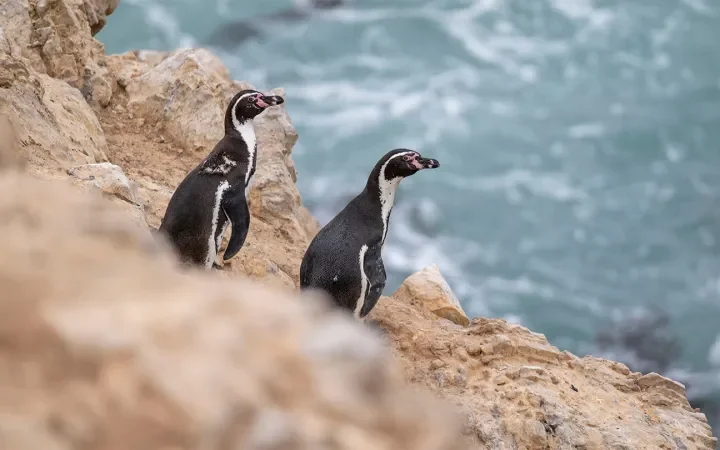 Peru’s penguins are on the brink. A super El Niño could make it worse.
 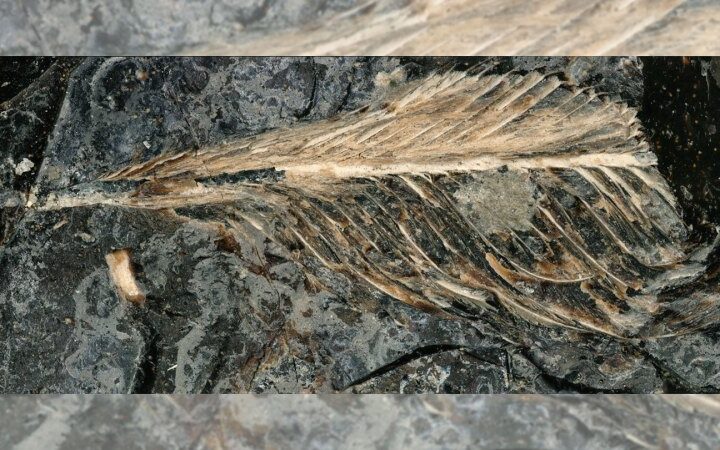 These are the first feathers ever found in fossilized dinosaur poop
 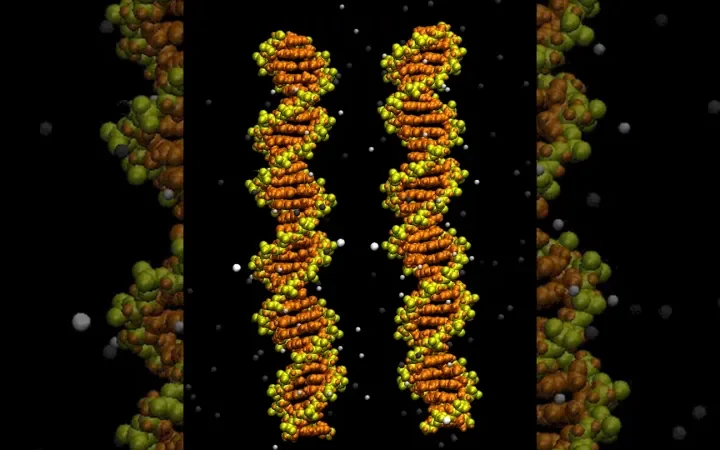 See the secret to DNA hookups
 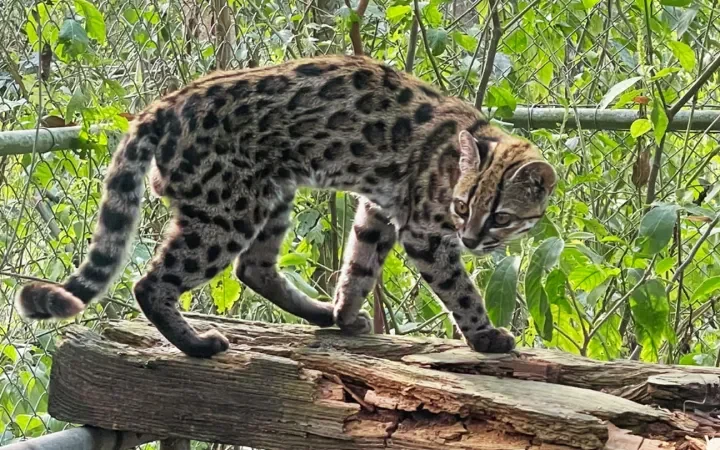 Meet the newest living cat species, the first described in 100 years
 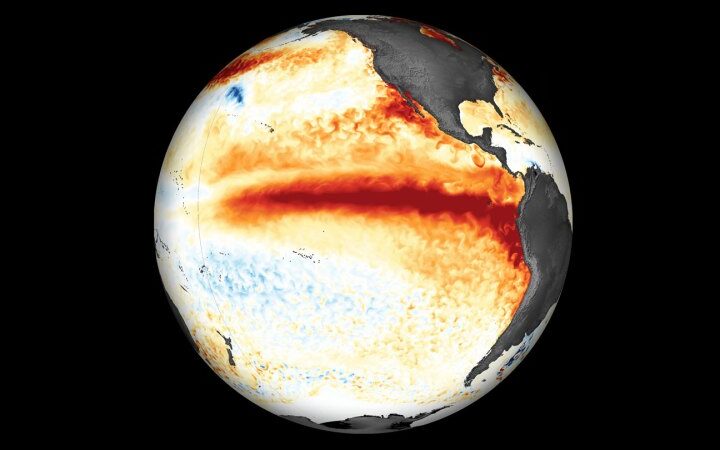 This year’s El Niño just broke a record months before it’s expected to peak
  LIVE: World leaders take stock of global fight against racism
  Security Council LIVE: Ambassadors meet as West Bank tensions rise, Gaza plan stalls
  DR Congo Ebola emergency: Calls grow for urgent humanitarian access
  Rohingya Camps: Children in Frontline of Food Rationing Crisis