
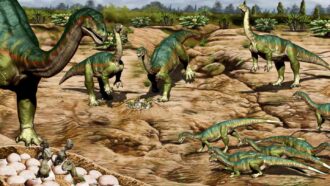
A treasure trove of fossilized eggs, nests and skeletons represents the earliest evidence yet of dinosaurs traveling in herds, a study finds.
The newly unearthed egg clutches were found alongside the skeletal remains of dozens of newborn, juvenile and adult dinosaurs, suggesting the creatures stayed together throughout their lives. At about 193 million years old, the finds displace the previous oldest evidence of herd behavior in dinosaurs by at least 40 million years, researchers report October 21 in Scientific Reports.
In southern Argentina, paleontologist Diego Pol of the Museo Paleontológico Egidio Feruglio in Trelew, Argentina, and colleagues found 80 individuals and over 100 eggs, all of the early sauropod ancestor Mussaurus patagonicus. Nests consisted of eight to 30 eggs, and analyses of five nests revealed that in each, the eggs were arranged in two or three layers within shallow trenches. Analyses of some skeletons revealed a diverse array of ages: At least 11 were hatchlings less than a year old, two were adults and nine were juveniles.
This fossilized Mussaurus patagonicus egg, which dates to about 193 million years ago, was found in arid southern Patagonia in Argentina. The discovery of fossil egg clutches and an age-diverse array of individuals at the site may represent the oldest evidence that some dinosaurs traveled in herds.Roger Smith
Fossils of the first known dinosaurs, including sauropodomorphs — relatively diminutive ancestors of long-necked behemoth sauropods such as Dreadnoughtus schrani — date to around 245 million years ago (SN: 9/4/14). By the end of the Triassic Period, about 201 million years ago, sauropodomorphs, including Mussaurus, had become among the most abundant plant eaters on land. Mussaurus roamed in what’s now Patagonia’s deserts (SN: 5/20/19). The dinosaurs built the newly unearthed nests when the area was semi-arid, near a lake that may have periodically flooded and evaporated. A sudden flood may explain the dinosaurs’ demise.
Mind-bogglingly massive sauropods didn’t arise until the Jurassic Period, which followed the Triassic. But fossils of Triassic sauropodomorphs like Mussaurus were already showing evidence of a growth spurt. The increased energy demands of larger bodies, the researchers suggest, may have required these creatures to coordinate their efforts, forming herds to forage across long distances.
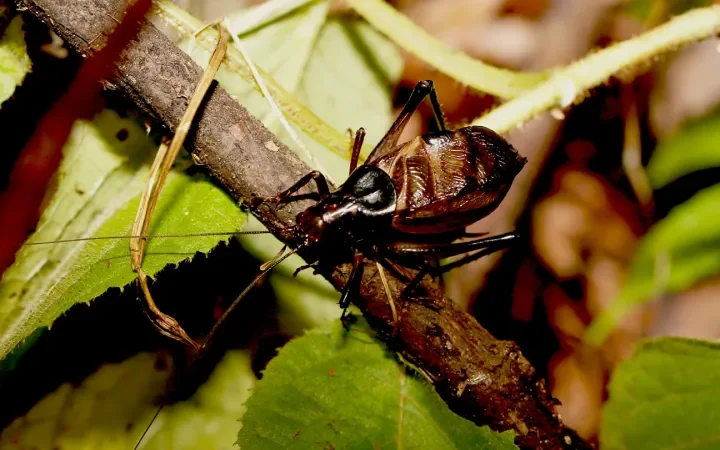 A choir of katydid ancestors filled the Jurassic rainforest with song
  Innocent-looking AI reasoning can make bad behavior harder to catch
 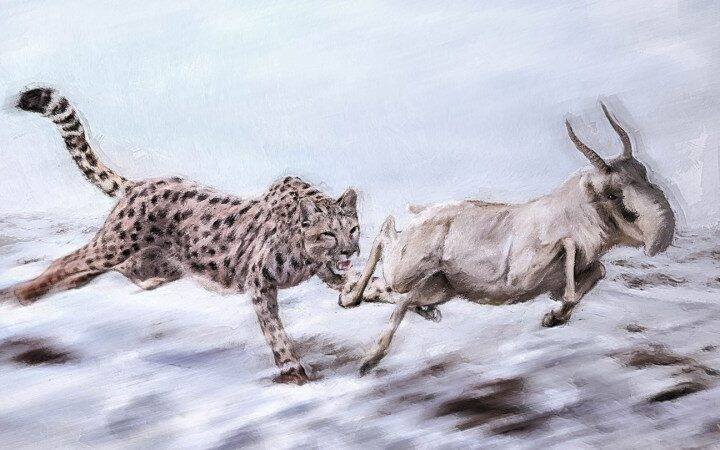 Was the ‘American cheetah’ a cheetah at all?
  AI agents aren’t ready to replace humans in behavioral research
  A culprit for corrosion may have been operating under our noses
 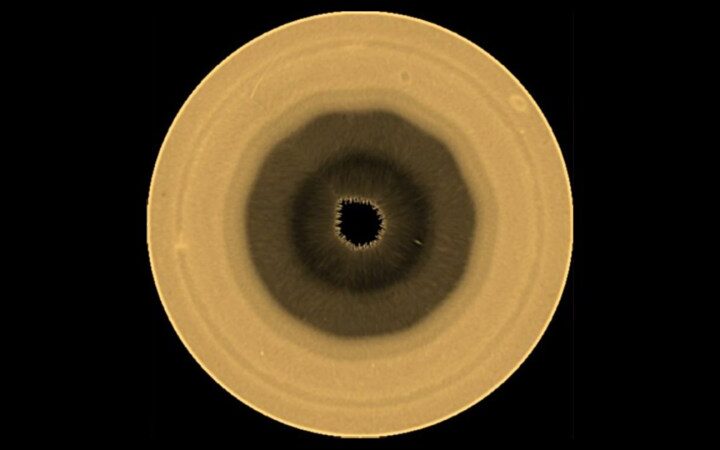 New Hubble images reveal a bizarre decagon over Saturn’s south pole
  ‘This is not 1945’: General Assembly president gavels open new session aimed at restoring global trust
  Ebola response in eastern DR Congo must include food aid, WFP says
  AI datacentres pose growing threat to electricity systems worldwide
  UN chief demands Israeli withdrawal from Lebanon amid Nabatieh escalation