
LONDON: Speaking to someone when infected with COVID-19 could be as dangerous as coughing near them due to tiny droplets known as aerosol particles, new research has shown.
COVID-19 can be spread via a number of routes, but research has shown that transmission is most common from aerosol droplets emitted when an infected person breaths, speaks or coughs.
This heightened transmission route, experts say, could help explain why the virus spreads more easily indoors or when there is poor ventilation.
Large droplets fall and do not pose a large risk of transmission, but aerosols can carry the virus over distances greater than 2 meters and remain for longer.
Experts at Cambridge University have conducted studies to assess the risk of COVID-19 spread from large droplets and aerosols.
Their results suggest that it takes just a couple of seconds for expelled particles to travel beyond 2 meters, posing significant challenges for mitigating this risk of transmission.
“You need masks, you need distancing and you need good ventilation so these particles don’t build up in an indoor space and they’re safely removed,” said Prof. Pedro Magalhaes de Oliveira, an expert in fluid mechanics at Cambridge University and the study’s co-author.
The team concluded that it is unsafe to stand without a mask 2 meters away from an infected person who is talking or coughing, with both situations posing a heightened infection risk.
This risk is especially high in unventilated spaces, such as indoor settings with closed windows.
The team said the total amount of COVID-19 aerosol that is spread from 30 seconds of speaking is higher than just one cough, and it remains for up to an hour.
The team added that in small spaces and without ventilation, this might be enough to cause COVID-19.
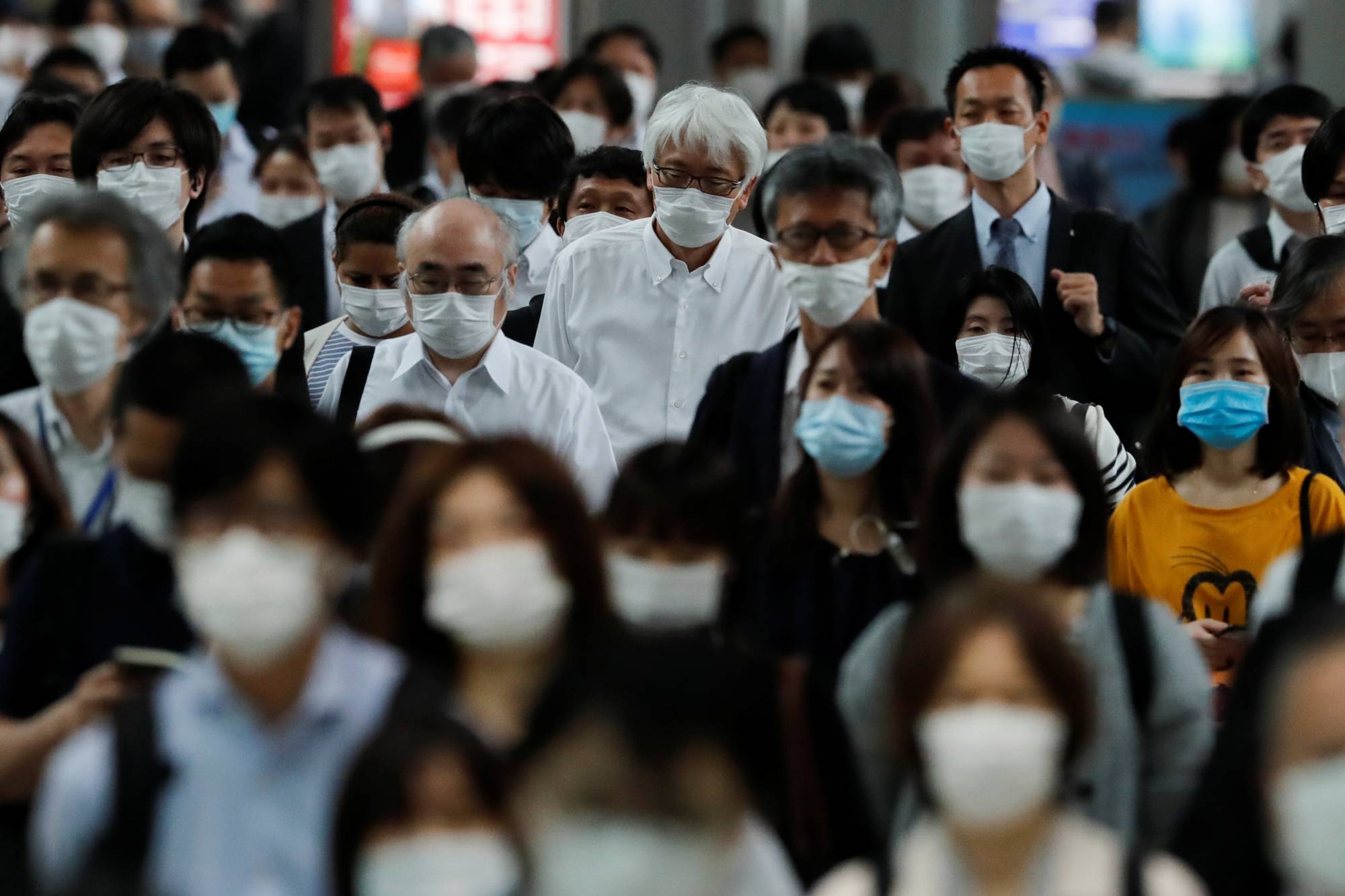
UK scientists to test extent of airborne COVID-19 transmissionMouthwash could reduce COVID-19 transmission: Study
 Magnetism may have helped kick-start our solar system
 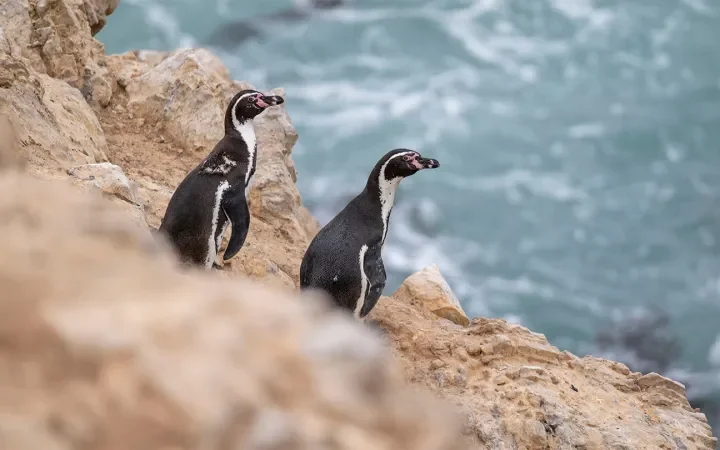 Peru’s penguins are on the brink. A super El Niño could make it worse.
 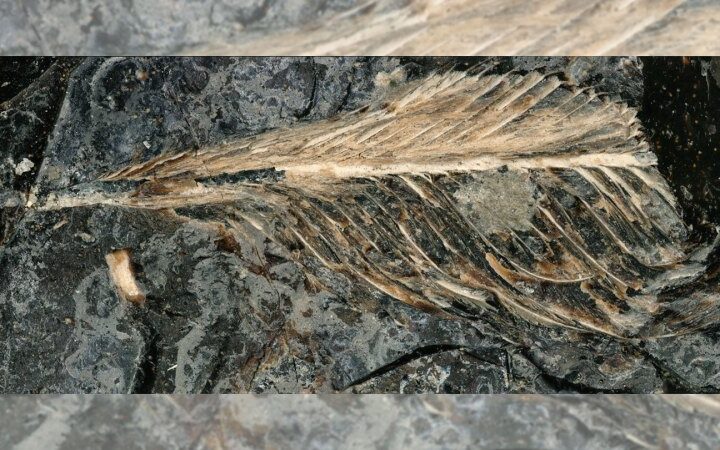 These are the first feathers ever found in fossilized dinosaur poop
 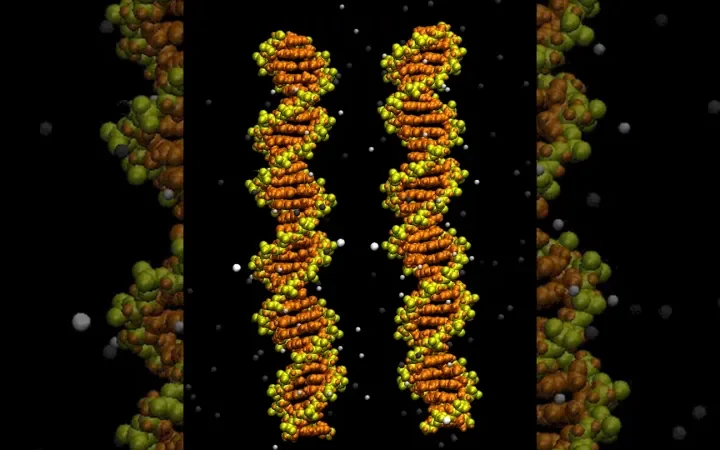 See the secret to DNA hookups
  Meet the newest living cat species, the first described in 100 years
 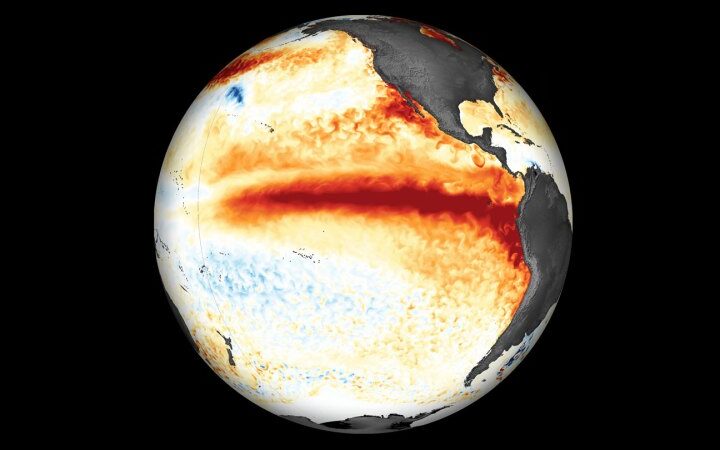 This year’s El Niño just broke a record months before it’s expected to peak
  The Takeaway Day 6: General Debate ends with a plea to turn words into action
 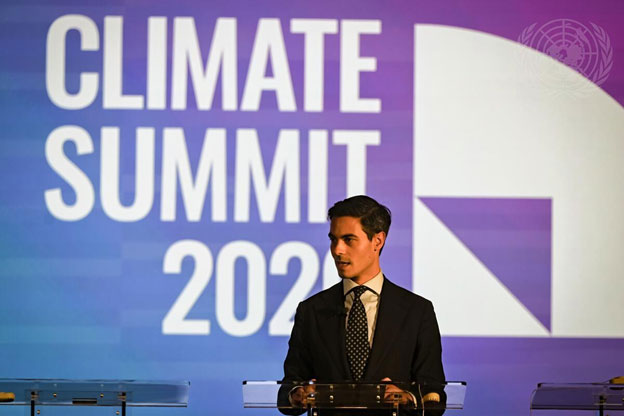 Overshoot of Paris Agreement and the Looming Super El Niño Drive Urgent Calls for Global Climate Action at UNGA 81
  World News in Brief: Refugee funding, US migration policy triggers ‘cascade’ of rights violations, world forests report, restorative justice in Colombia
  From energy crisis to energy transition: How renewables are reshaping energy security