
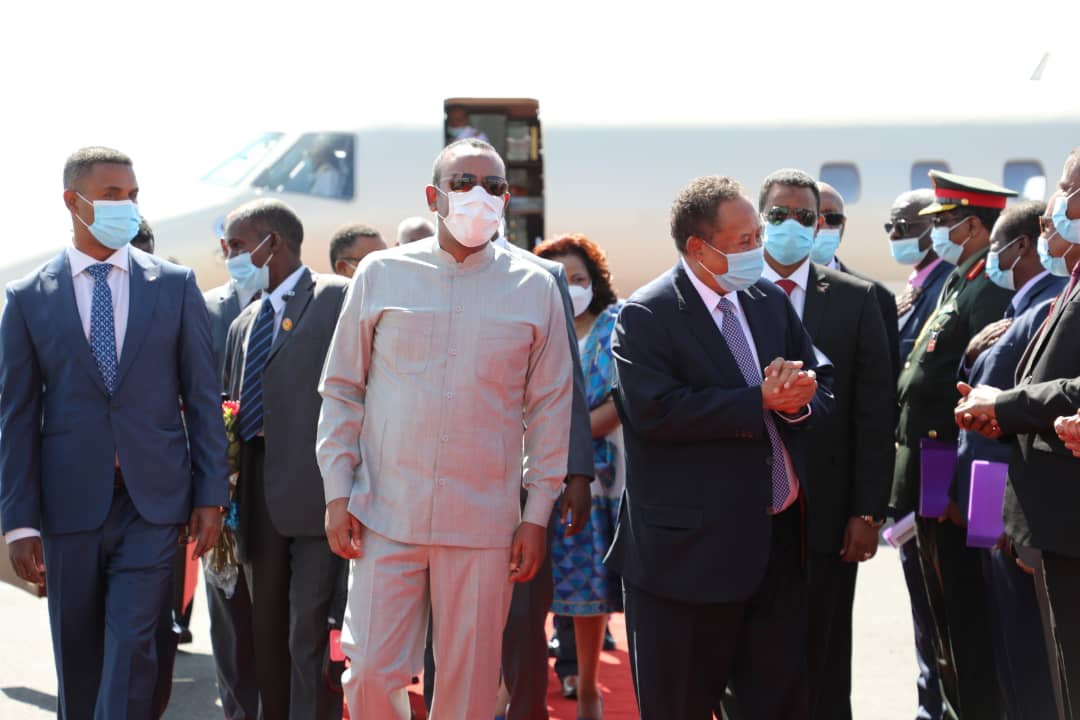
Sudan’s Prime Minister Abdalla Hamdok arrived in Ethiopia on Sunday to discuss security matters with Prime Minister Abiy Ahmed Ali.
Last month, the Ethiopian government launched a military offensive against a rebellious regional government in Tigray.
The ensuing conflict has killed hundreds, and almost 50,000 Ethiopians have crossed the country’s northwestern border into Sudan.
It is a refugee crisis that is straining the humanitarian infrastructure in Sudan. The United Nations refugee agency has appealed for $150 million to help cope with the situation.
Both leaders reached an “understanding on various issues,” the Ethiopian prime minister said, following discussion between the two delegations.
December 1, more than 45,000 refugees had already crossed the Ethiopian-Sudanese border. In the next few months, and depending on how the conflict develops, the United Nations estimates that the number of Ethiopian refugees in Sudan will swell to as much as 200,000.
Although Sudan agreed to open its doors to the Ethiopian refugees, it was not prepared for the influx it would result in. The villages of Hamdayet and Hashaba, for instance, were immediately flooded with thousands of refugees, and the food and the blankets that local NGOs collected among villagers quickly ran out. Many refugees have therefore had to sleep outside without neither.
Shortly after arriving in Ethiopia, Hamdok said that hoping for productive discussions on the situation.
“I look forward to having productive discussions on political, humanitarian and security matters of common concern that serve the future of peace, stability and prosperity for our two sisterly nations and the region,” he said.


 These mice have human (nerve cells) on the brain
  The U.S. has weapons in space. Here’s what that could mean
  Alzheimer’s damage may begin outside the brain
  Meet Swiftiephylus, an Australian bug named after Taylor Swift
  ‘Bogland’ explores beautifully strange ecosystems
  Feeling nervous? Work the system
  Who should set the rules for AI? The UN is pushing for a safer digital future
  Bangladesh Must Face Its Quiet Crisis of Internal Displacement
  ETHIOPIA: ‘Reporting on Abuses Shouldn’t Be Treated as a Threat to National Interest’
 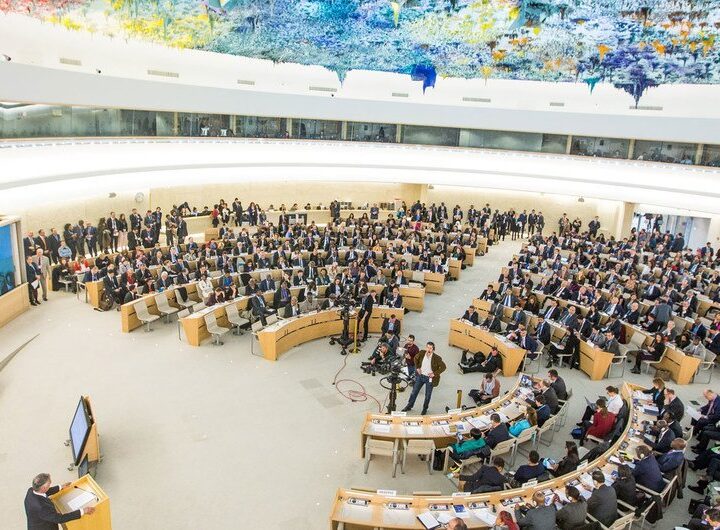 UN report warns of reprisals against those who collaborate in defence of human rights