LONDON: Italian authorities said they seized 15 tons of amphetamine (Captagon), believed to be linked to Lebanese group Hezbollah, the Italian Nova agency reported on Friday.
The Naples prosecutor investigating the case said that the financial value of the drug amounted to about $1 billion.
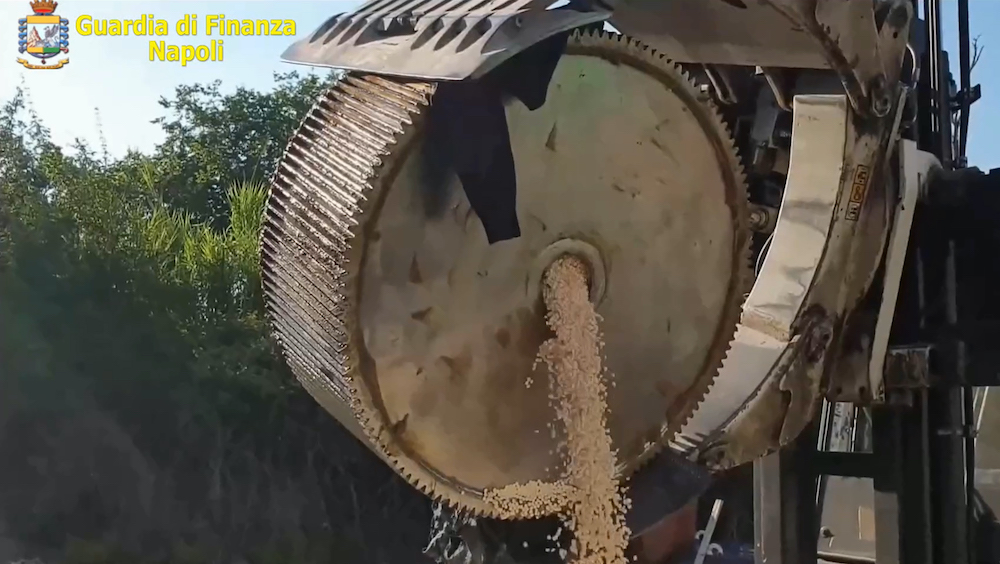
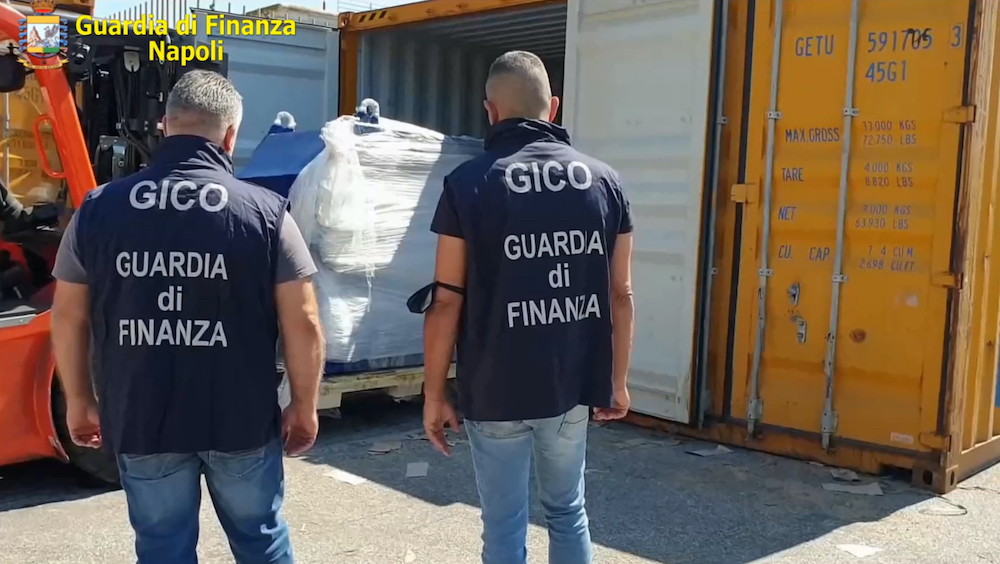
The prosecutor also said that the drugs, which were destroyed a few days ago, were hidden inside three “suspicious” containers that included papers intended for industrial use.
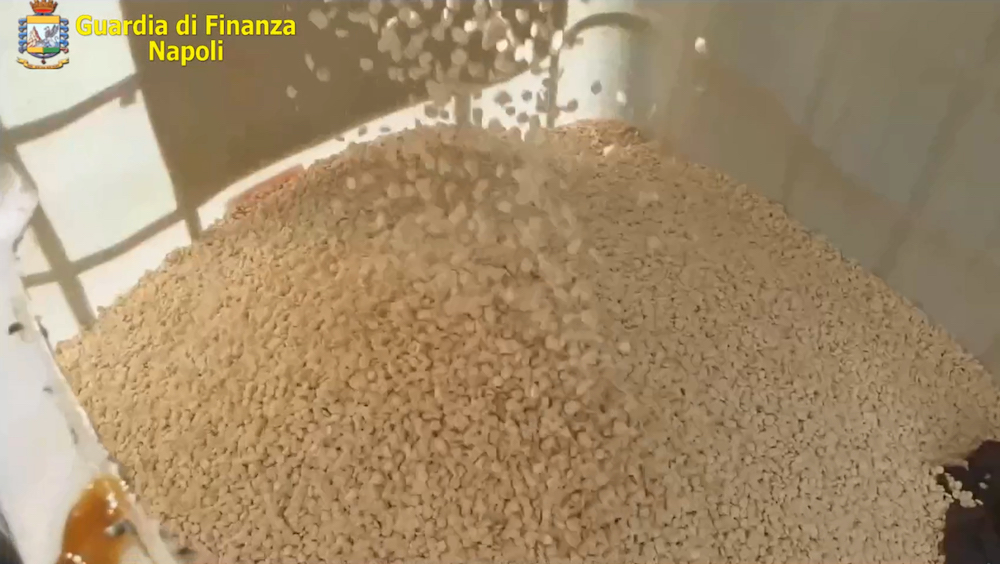
The Italian Financial Crimes Unit recently provided details of the shipment, as part of an investigation broadcast by the BBC, saying that it came from Syria and was seized last summer in an operation described as “the biggest seizure of amphetamines in the world.”
On July 1, 84 million tablets of Captagon were seized by the Guardia di Finanza in the port of Salerno, along with over two tons of hashish.
According to the BBC investigation, the Italian authorities initially believed that Daesh was behind the drug shipment, but an investigation revealed that the Syrian regime and its Lebanese allies Hezbollah were behind it.
Drug smuggling is one of the main sources of income for Lebanese militias backed by Iran, which constitute some of their strongest arms in the region, in order to finance operations in Syria and elsewhere.
Increased US sanctions on Iran have recently led to international isolation for the regime in Tehran, reducing its contributions toward supporting militias in the region, and exacerbating the need to find new revenue streams, including narcotics.


Lebanon on borrowed time not addressing Hezbollah’s weaponsHezbollah, Amal loyalists attack journalists covering fire
 Eating too much sugar on antibiotics could squash helpful gut bacteria
  Electric stoves could help people with asthma breathe easier
  A nanoparticle revealed the tiny impact of a single gas atom
  Was van Gogh’s ‘The Starry Night’ a flight of fancy or a real sky?
  This ‘living drug’ could change the course of autoimmune disease
  AI could turn scientific papers into research assistants
 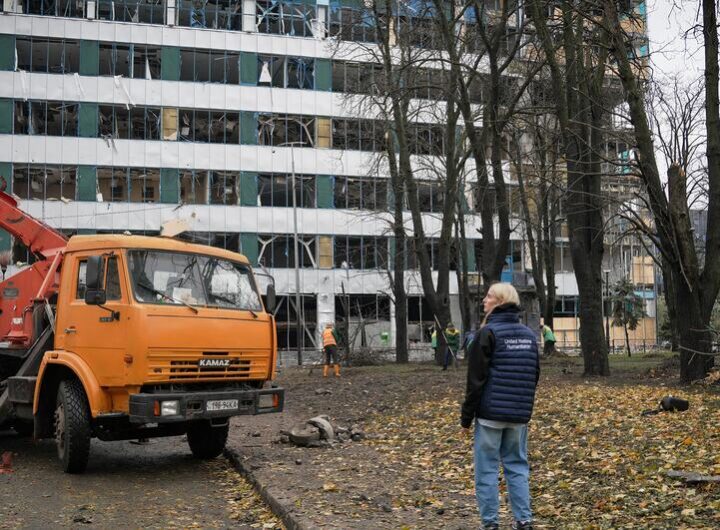 World News in Brief: Russian attacks intensify, UN team tours West Bank, ‘unlawful’ elderly deaths
 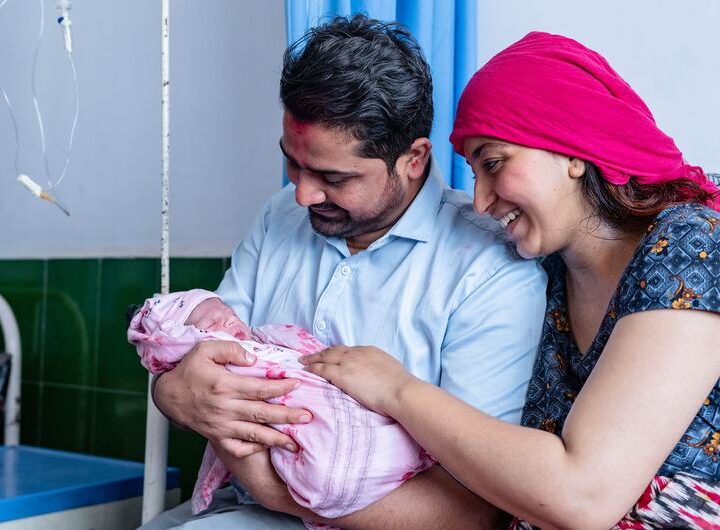 Mothers get nearly eight times more paid leave than fathers – and women pay the price