

Probing Venus’ mountains — Science News, February 12, 1972
Venus’ perpetually cloud-shrouded surface remains penetrable only by radio waves. A planetary radar group now reports results of an extended series of radar measurements of the topography of Venus that for the first time provides a view of surface height variations around the entire circumference of the planet.
Update
Those observations were taken by the Arecibo radio telescope in Puerto Rico, which was the most powerful radar system for mapping rocky bodies in outer space until its sudden collapse in December 2020 (SN: 12/19/20 & 1/2/21, p. 8). The observatory also revealed ancient lava flows on Venus and ice on Mercury (SN: 9/18/76, p. 181; SN: 11/9/91, p. 295). Arecibo’s maps of Mars and the asteroid Bennu helped NASA plan the Viking and OSIRIS-REx missions. Some other facilities have planetary radar systems, but they are not as powerful as Arecibo’s was. Astronomers are adding a radar transmitter to West Virginia’s Green Bank Telescope that is expected to rival or exceed Arecibo’s.
 These tiny snakes cartwheel to escape danger
 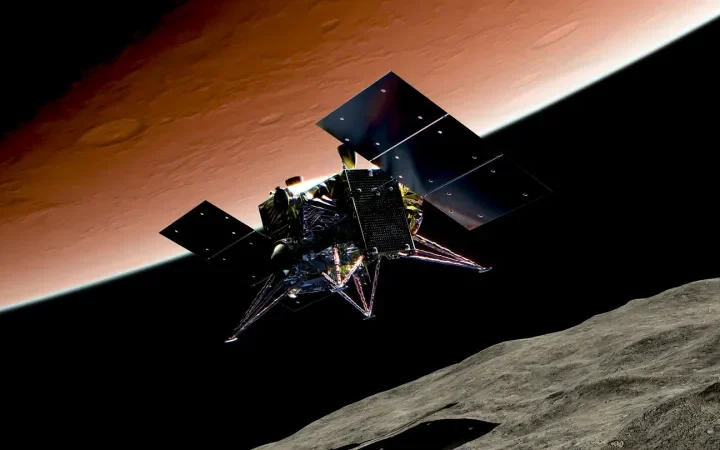 Japan’s sample return mission to Phobos may also collect some Mars dust
  Horned dinosaurs’ weapons evolved to handle the forces of combat
 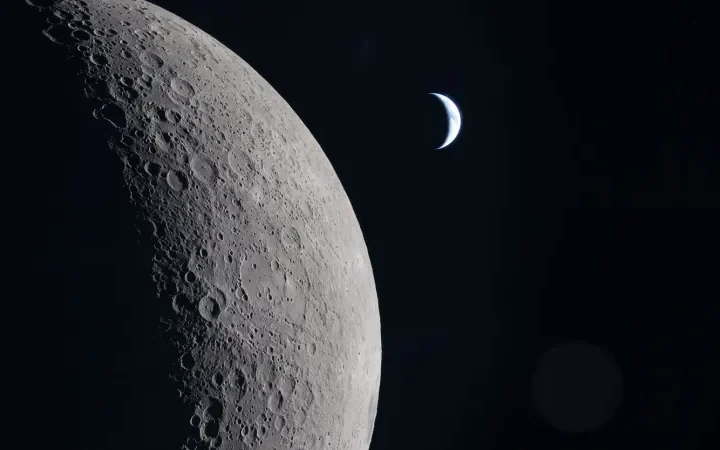 Artemis II results show how much science people can do at the moon
  Crossword: Time lines
  Many American diets may not include enough of this essential nutrient
  Hunger is ‘an avoidable tragedy’ in a world of plenty: Türk
  UN condemns deadly wave of drone strikes in war-torn Sudan
  Guterres honours Indonesian troops who paid ‘ultimate sacrifice’
  ‘Season of fear’: Escalating Israeli attacks on West Bank olive farmers, deadly strikes on Gaza