
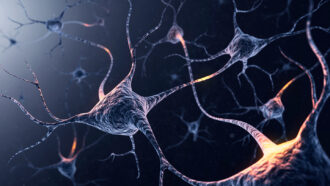
Learning and memory transfer: More experimental evidence — Science News, November 6, 1971
The first memory molecule has been isolated, characterized and synthesized … [from the brains of] rats that had been shocked in the dark…. It is a protein and dubbed “scotophobin,” after the Greek words for “fear of the dark.” [One researcher] has injected synthetic rat scotophobin into the brains of hundreds of goldfish. While the fish indeed exhibited fear of the dark and resisted learning to swim into the dark, the fear was of brief duration.
Update
The idea that scotophobin stores memories and can be used to transfer them between organisms was met with intense skepticism and was eventually discredited by neuroscientists. But the search for a physical basis of memory continues. Over the last few decades, other memory molecule candidates have popped up, including a protein called PKM-zeta, which may help with memory retrieval, and even RNA (SN: 6/9/18, p. 9). Still, the dominant theory is that memories are stored in synapses, connections between nerve cells in the brain (SN: 2/3/18, p. 22).
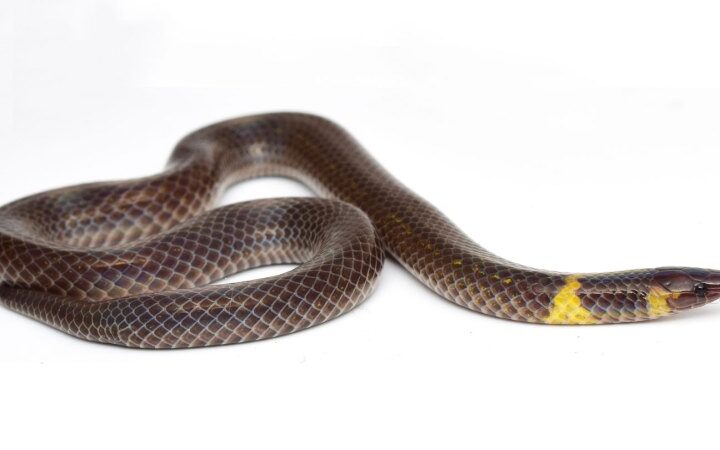 These tiny snakes cartwheel to escape danger
  Japan’s sample return mission to Phobos may also collect some Mars dust
 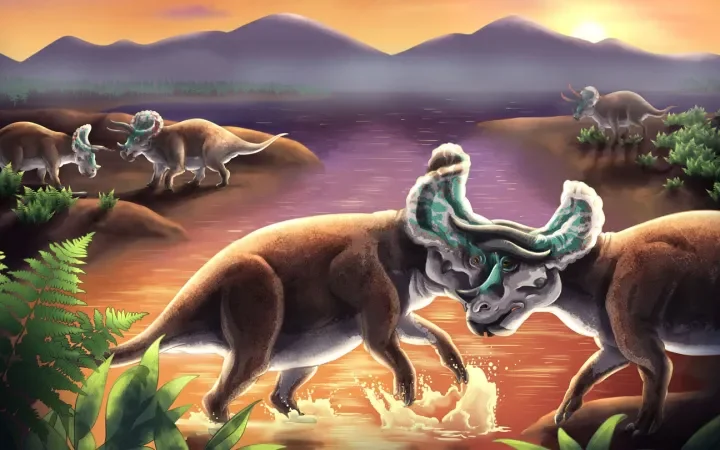 Horned dinosaurs’ weapons evolved to handle the forces of combat
 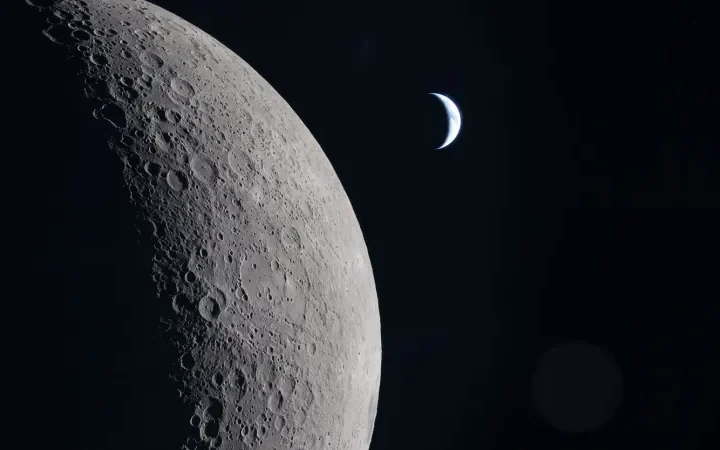 Artemis II results show how much science people can do at the moon
  Crossword: Time lines
 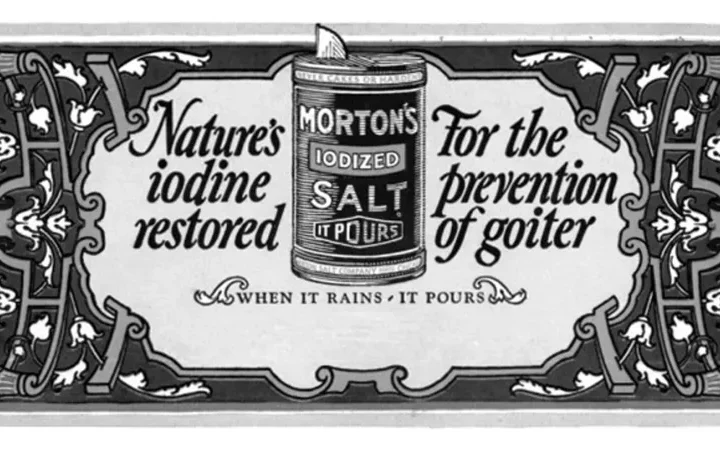 Many American diets may not include enough of this essential nutrient
  Hunger is ‘an avoidable tragedy’ in a world of plenty: Türk
  UN condemns deadly wave of drone strikes in war-torn Sudan
  Guterres honours Indonesian troops who paid ‘ultimate sacrifice’
  ‘Season of fear’: Escalating Israeli attacks on West Bank olive farmers, deadly strikes on Gaza