
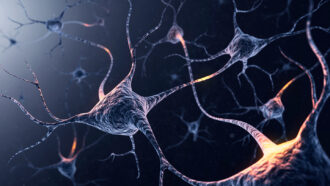
Learning and memory transfer: More experimental evidence — Science News, November 6, 1971
The first memory molecule has been isolated, characterized and synthesized … [from the brains of] rats that had been shocked in the dark…. It is a protein and dubbed “scotophobin,” after the Greek words for “fear of the dark.” [One researcher] has injected synthetic rat scotophobin into the brains of hundreds of goldfish. While the fish indeed exhibited fear of the dark and resisted learning to swim into the dark, the fear was of brief duration.
Update
The idea that scotophobin stores memories and can be used to transfer them between organisms was met with intense skepticism and was eventually discredited by neuroscientists. But the search for a physical basis of memory continues. Over the last few decades, other memory molecule candidates have popped up, including a protein called PKM-zeta, which may help with memory retrieval, and even RNA (SN: 6/9/18, p. 9). Still, the dominant theory is that memories are stored in synapses, connections between nerve cells in the brain (SN: 2/3/18, p. 22).
 Magnetism may have helped kick-start our solar system
 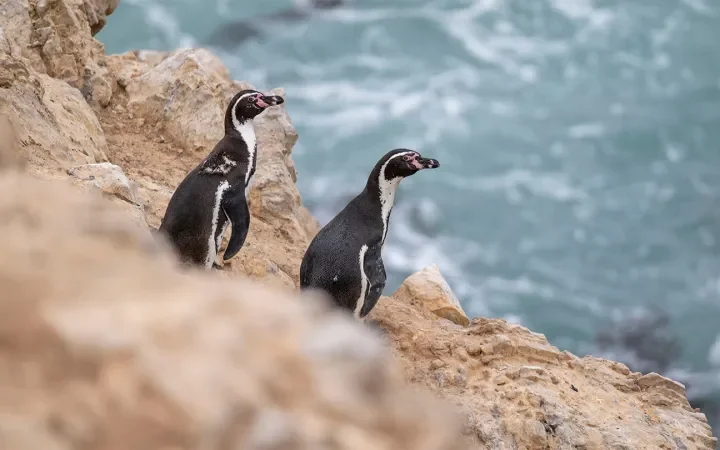 Peru’s penguins are on the brink. A super El Niño could make it worse.
 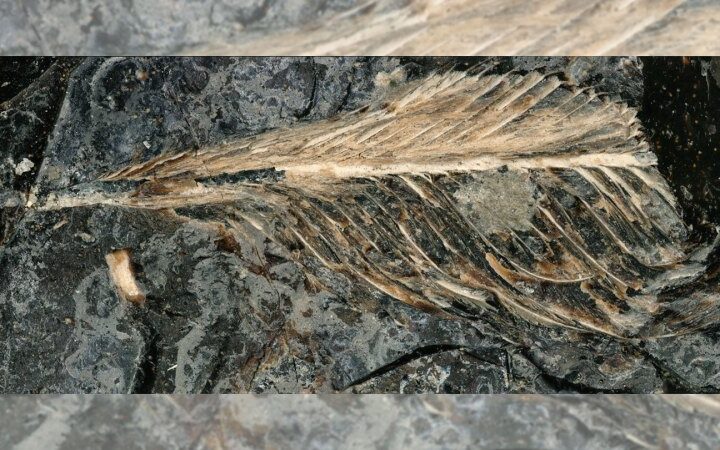 These are the first feathers ever found in fossilized dinosaur poop
 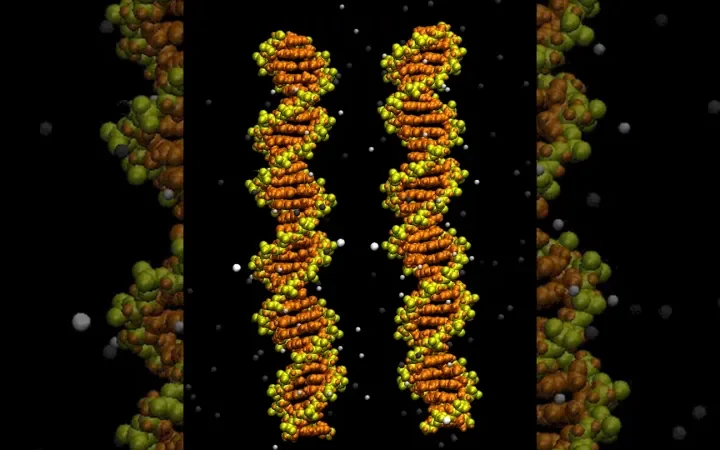 See the secret to DNA hookups
  Meet the newest living cat species, the first described in 100 years
  This year’s El Niño just broke a record months before it’s expected to peak
  LIVE: World leaders take stock of global fight against racism
  Security Council LIVE: Ambassadors meet as West Bank tensions rise, Gaza plan stalls
  DR Congo Ebola emergency: Calls grow for urgent humanitarian access
  Rohingya Camps: Children in Frontline of Food Rationing Crisis