
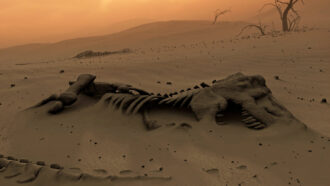
What did in the dinosaurs: Warm blood or soft eggs? — Science News, July 22, 1972
Dinosaurs might have been endothermic, or warm-blooded…. The combination of large size, endothermy and naked skin may explain the extinction of dinosaurs. About 65 million years ago there was a sharp drop in temperature…. Dinosaurs, lacking skin insulation and too large to burrow underground … could not survive. Meanwhile, evidence has come that … the shells [of their eggs] became progressively thinner … too fragile to support the growing embryo.
Update
Some dinosaurs may have been warm-blooded and some could have laid soft-shelled eggs (SN: 7/12/14, p. 6). But neither trait led to the reptiles’ demise. In the late 1970s, geologists proposed that an asteroid strike triggered a mass extinction (1/25/92, p. 56), killing more than 75 percent of life on Earth. That theory is now widely accepted. Scientists have even found the killer’s calling card: a crater about 180 kilometers wide on the coast of the Yucatán Peninsula in Mexico. The asteroid probably crash landed there in the springtime 66 million years ago, fossils hint (SN: 3/26/22, p. 8).
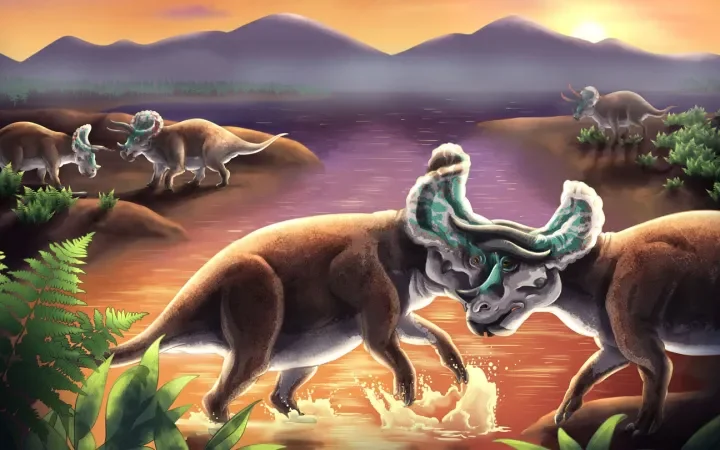 Horned dinosaurs’ weapons evolved to handle the forces of combat
 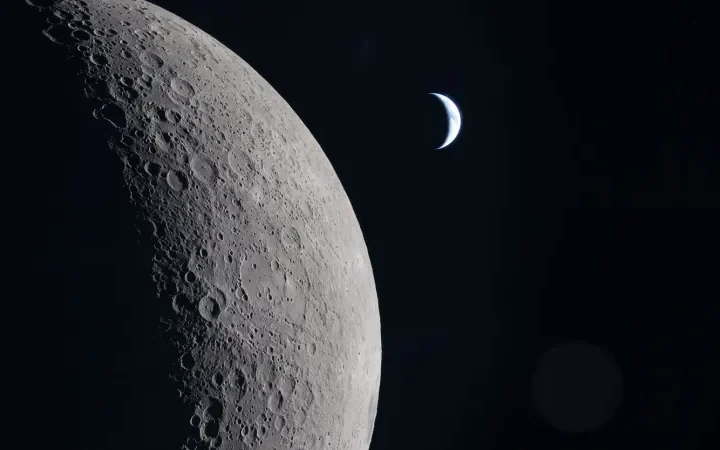 Artemis II results show how much science people can do at the moon
  Crossword: Time lines
 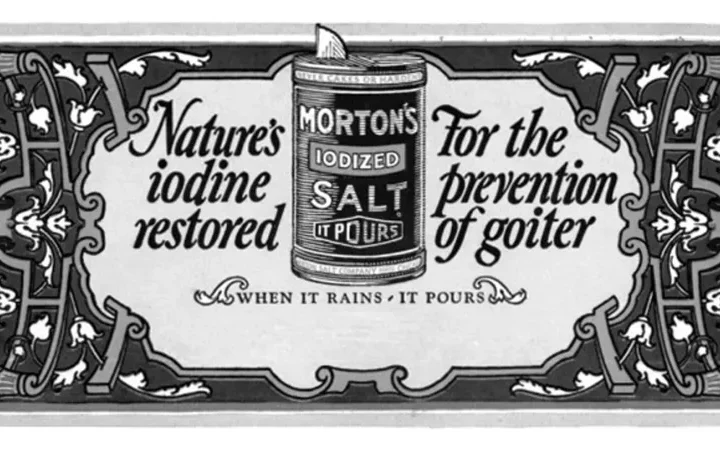 Many American diets may not include enough of this essential nutrient
 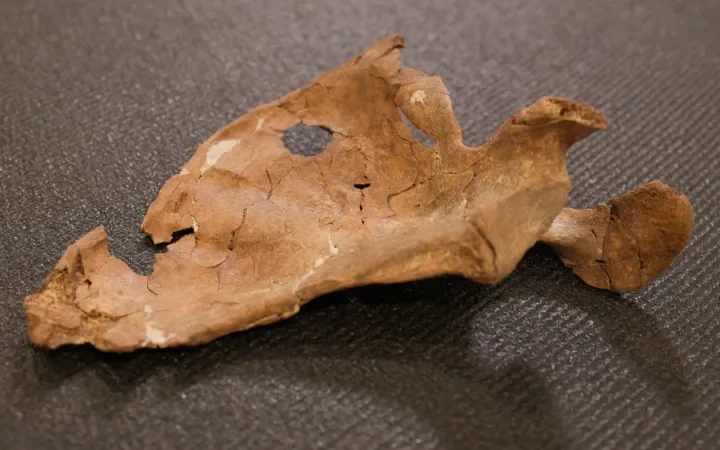 A telling hole in a Neandertal bone hints at a bitter end
  Brain implants are helping people who’ve lost their voice
  WHO scales up Ebola readiness in 22 countries across three continents
  Ukraine: Civilian casualty rates among ‘deadliest’ in years, as energy attacks intensify
  As disasters mount, next UN climate summit faces a test of trust
  Gaza: 340 children killed despite ceasefire agreement – UNICEF