
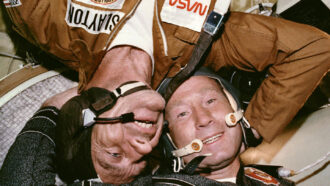
A busy week for science in Moscow — Science News, June 3, 1972
U.S. and Soviet leaders … signed agreements on space, science and technology, health and the environment…. The space agreement … outlines plans for cooperation in fields such as meteorology, study of the natural environment, planetary exploration and space biology.
Update
The 1972 space agreement led to the first international human spaceflight, the Apollo-Soyuz mission, during which Soviet and U.S. crews socialized in space (SN: 7/26/75, p. 52). Apollo-Soyuz encouraged decades of collaboration that continues today on the International Space Station. Now, Russia’s war in Ukraine has prompted many countries to pull back on scientific endeavors with Russia, in space and on Earth (SN: 3/26/22, p. 6). While NASA remains committed to the space station, the head of Russia’s space agency has threatened to end the cooperation in retaliation for sanctions imposed in response to the war. Russia has yet to make moves to abandon the station, though the country has ceased supplying rocket engines to the United States.
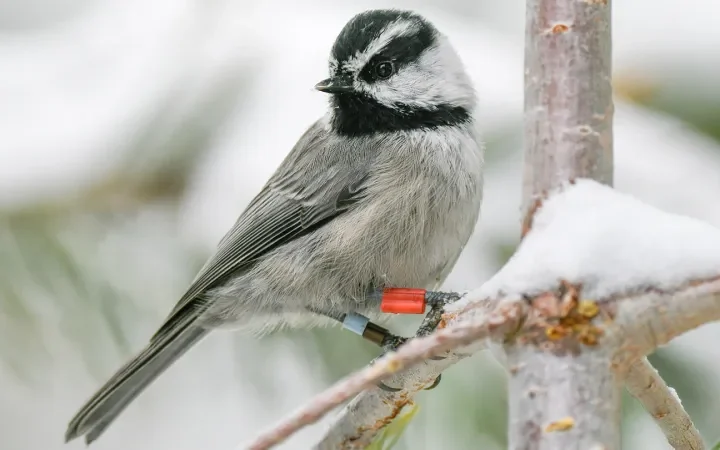 Winter work shows it really pays to be a smart mountain chickadee
 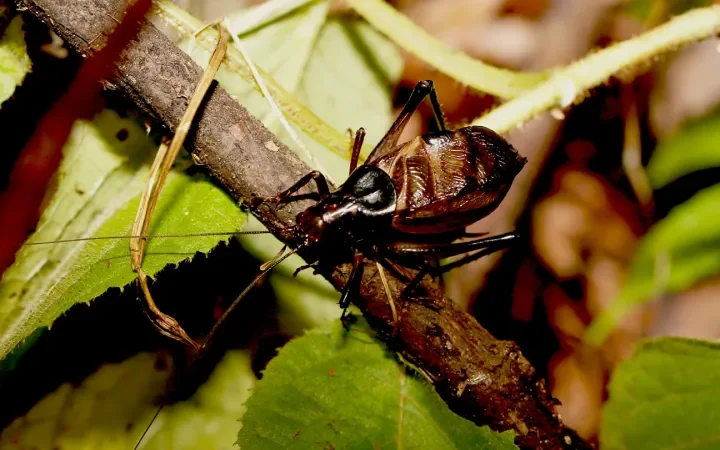 A choir of katydid ancestors filled the Jurassic rainforest with song
  Innocent-looking AI reasoning can make bad behavior harder to catch
  Was the ‘American cheetah’ a cheetah at all?
  AI agents aren’t ready to replace humans in behavioral research
  A culprit for corrosion may have been operating under our noses
  Ships and seafarers increasingly caught in the crossfire of unrelated wars
 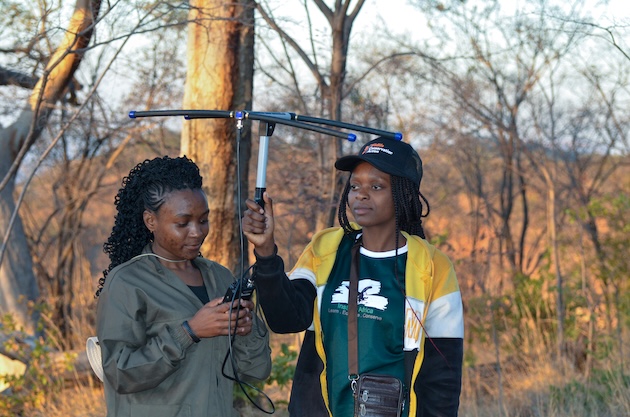 How Saving Cattle in Zimbabwe is Saving Its Lions
  ‘This is not 1945’: General Assembly president gavels open new session aimed at restoring global trust