
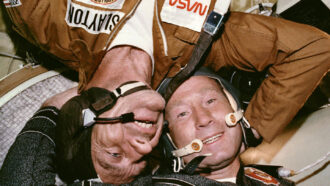
A busy week for science in Moscow — Science News, June 3, 1972
U.S. and Soviet leaders … signed agreements on space, science and technology, health and the environment…. The space agreement … outlines plans for cooperation in fields such as meteorology, study of the natural environment, planetary exploration and space biology.
Update
The 1972 space agreement led to the first international human spaceflight, the Apollo-Soyuz mission, during which Soviet and U.S. crews socialized in space (SN: 7/26/75, p. 52). Apollo-Soyuz encouraged decades of collaboration that continues today on the International Space Station. Now, Russia’s war in Ukraine has prompted many countries to pull back on scientific endeavors with Russia, in space and on Earth (SN: 3/26/22, p. 6). While NASA remains committed to the space station, the head of Russia’s space agency has threatened to end the cooperation in retaliation for sanctions imposed in response to the war. Russia has yet to make moves to abandon the station, though the country has ceased supplying rocket engines to the United States.
 In the wake of the flood, could Nepal avert the next disaster?
  ‘The Deep End’ podcast is back to explore what makes your voice yours
 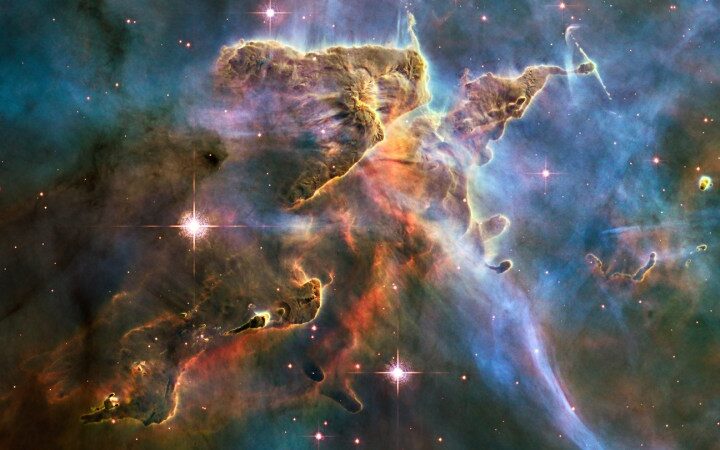 Magnetism may have helped kick-start our solar system
 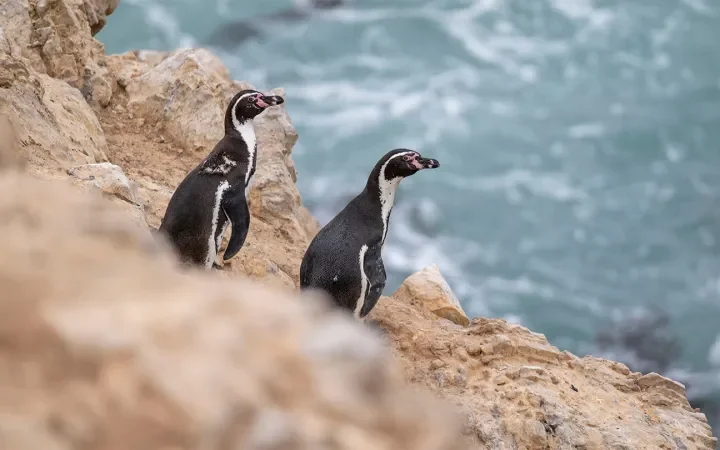 Peru’s penguins are on the brink. A super El Niño could make it worse.
  These are the first feathers ever found in fossilized dinosaur poop
 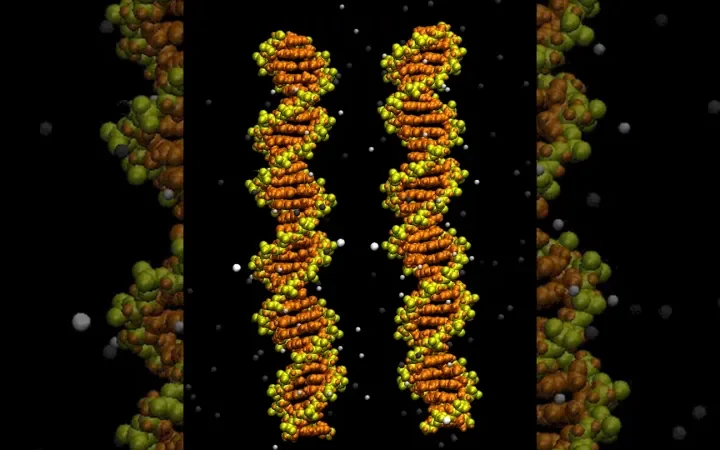 See the secret to DNA hookups
  The Takeaway Day 6: General Debate ends with a plea to turn words into action
  Overshoot of Paris Agreement and the Looming Super El Niño Drive Urgent Calls for Global Climate Action at UNGA 81