
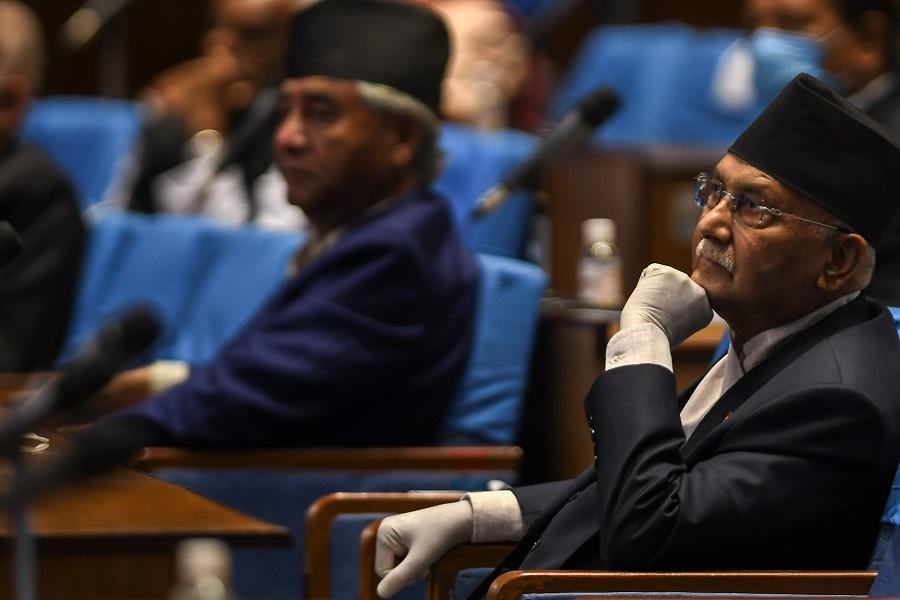
KATMANDU: Nepal’s Supreme Court on Wednesday started hearing petitions challenging Prime Minister K.P. Sharma Oli’s sudden dissolution of parliament and call for fresh elections, a move denounced by his opponents as unconstitutional. Oli’s decision, the culmination of months of political turmoil in the Himalayan country situated between China and India, has triggered unrest in his party and protests on the streets of the capital Katmandu.
“Hearing on 12 petitions against the dissolution of parliament has begun,” said Bhadrakali Pokharel, a Supreme Court spokesman.
Lawyers opposed to Oli’s decision argued that the prime minister had no prerogative to dissolve parliament under the constitution.
“I have requested that the court issue an interim order against the dissolution,” said Dinesh Tripathi, a lawyer and one of the petitioners.
Seven ministers have stepped down to challenge the dissolution and stated that it was a violation of the “popular mandate” given to them in 2017 general election.
Oli recently lost support within his own Nepal Communist Party (NCP), with some members accusing him of sidelining senior party members in decision-making and key appointments.
They called for him to step down.
Oli this week said he decided to dissolve the parliament after facing non-cooperation from his party officials, and a fresh mandate was the only way to settle disputes.
Nepal’s President Bidhya Devi Bhandari over the weekend set April 30 and May 10 for the general election, a year ahead of schedule.
 A medieval remedy could offer ideas for beating antibiotic resistance
 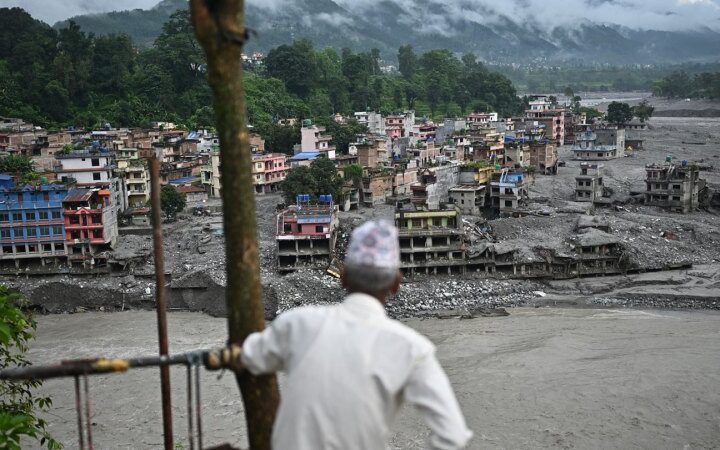 In the wake of the flood, could Nepal avert the next disaster?
  ‘The Deep End’ podcast is back to explore what makes your voice yours
 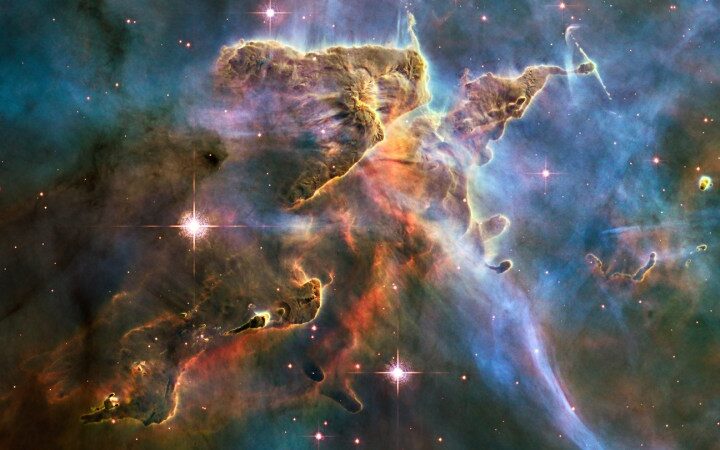 Magnetism may have helped kick-start our solar system
  Peru’s penguins are on the brink. A super El Niño could make it worse.
  These are the first feathers ever found in fossilized dinosaur poop
 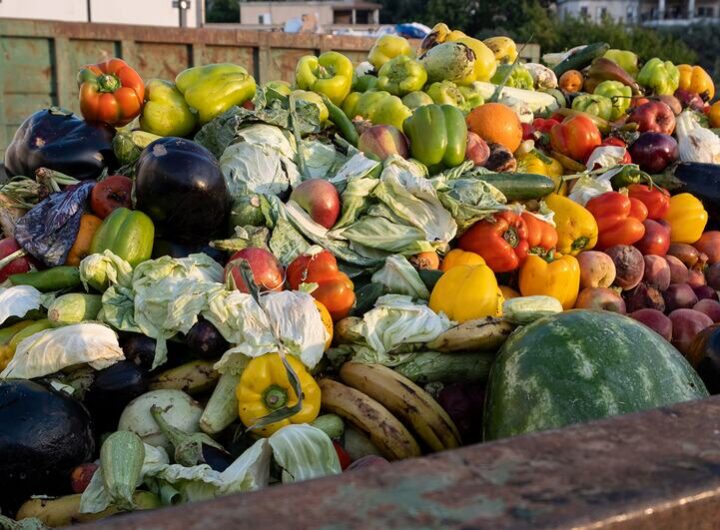 Clean your plate – to reduce food loss and waste
 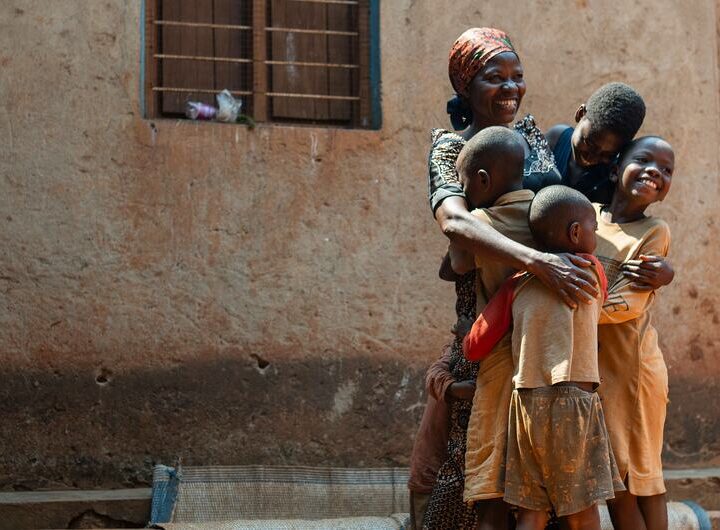 Funding cuts put 8.3 million refugees at risk of losing vital assistance
 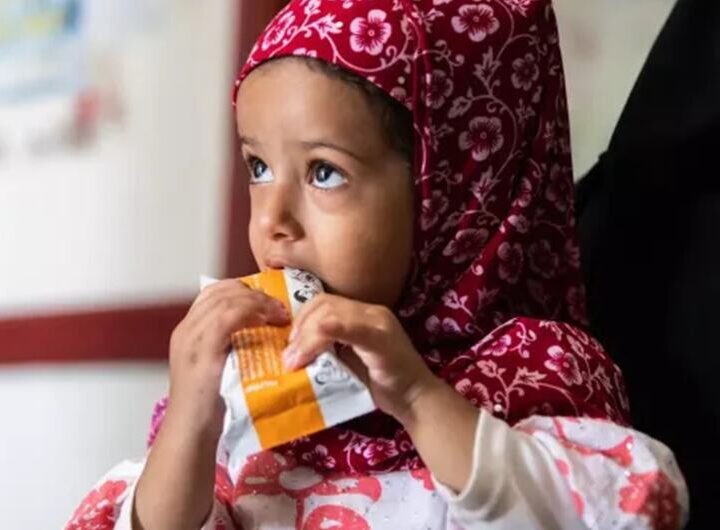 Yemen escalation fuels fears of further cholera, measles spread
  DRC: Early access to care and oxygen decisive for Ebola patients’ survival – WHO