
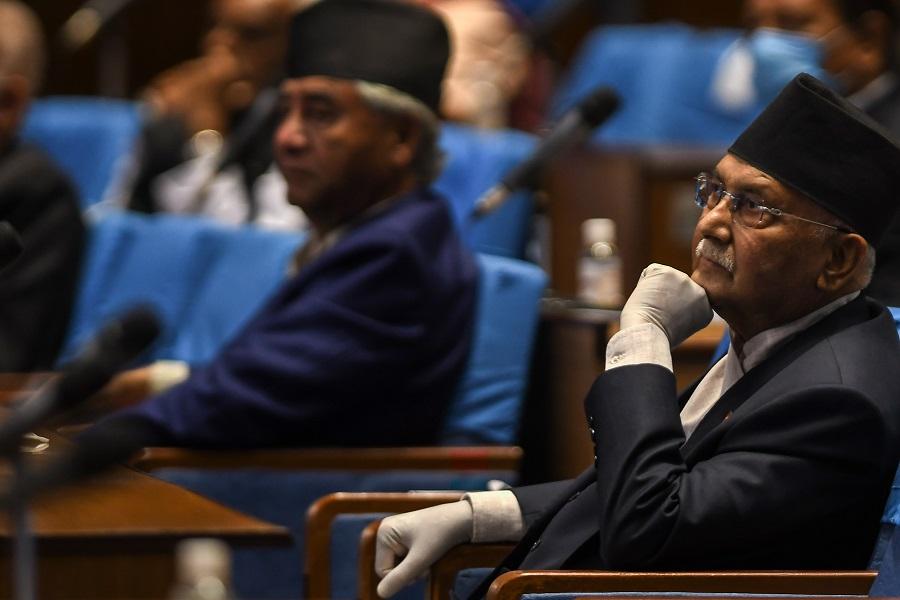
KATMANDU: Nepal’s Supreme Court on Wednesday started hearing petitions challenging Prime Minister K.P. Sharma Oli’s sudden dissolution of parliament and call for fresh elections, a move denounced by his opponents as unconstitutional. Oli’s decision, the culmination of months of political turmoil in the Himalayan country situated between China and India, has triggered unrest in his party and protests on the streets of the capital Katmandu.
“Hearing on 12 petitions against the dissolution of parliament has begun,” said Bhadrakali Pokharel, a Supreme Court spokesman.
Lawyers opposed to Oli’s decision argued that the prime minister had no prerogative to dissolve parliament under the constitution.
“I have requested that the court issue an interim order against the dissolution,” said Dinesh Tripathi, a lawyer and one of the petitioners.
Seven ministers have stepped down to challenge the dissolution and stated that it was a violation of the “popular mandate” given to them in 2017 general election.
Oli recently lost support within his own Nepal Communist Party (NCP), with some members accusing him of sidelining senior party members in decision-making and key appointments.
They called for him to step down.
Oli this week said he decided to dissolve the parliament after facing non-cooperation from his party officials, and a fresh mandate was the only way to settle disputes.
Nepal’s President Bidhya Devi Bhandari over the weekend set April 30 and May 10 for the general election, a year ahead of schedule.
 Electric stoves could help people with asthma breathe easier
 A nanoparticle revealed the tiny impact of a single gas atom
 Was van Gogh’s ‘The Starry Night’ a flight of fancy or a real sky?
 This ‘living drug’ could change the course of autoimmune disease
 AI could turn scientific papers into research assistants
 A lifesaving medication is not behind the drop in U.S. overdose deaths
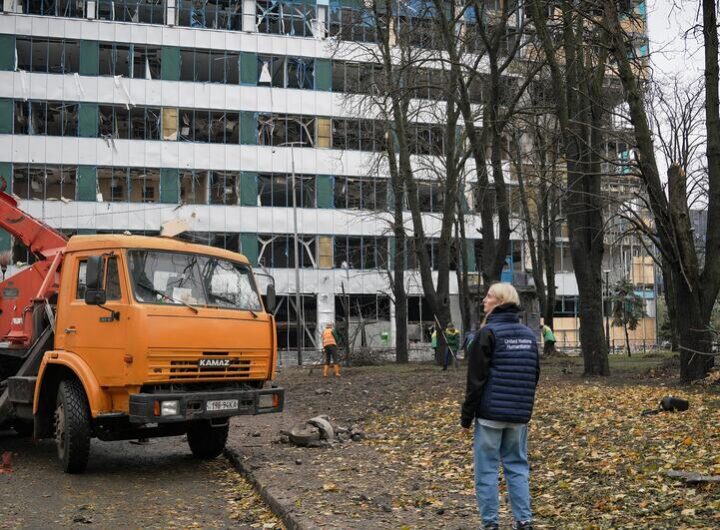 World News in Brief: Russian attacks intensify, UN team tours West Bank, ‘unlawful’ elderly deaths
 Mothers get nearly eight times more paid leave than fathers – and women pay the price
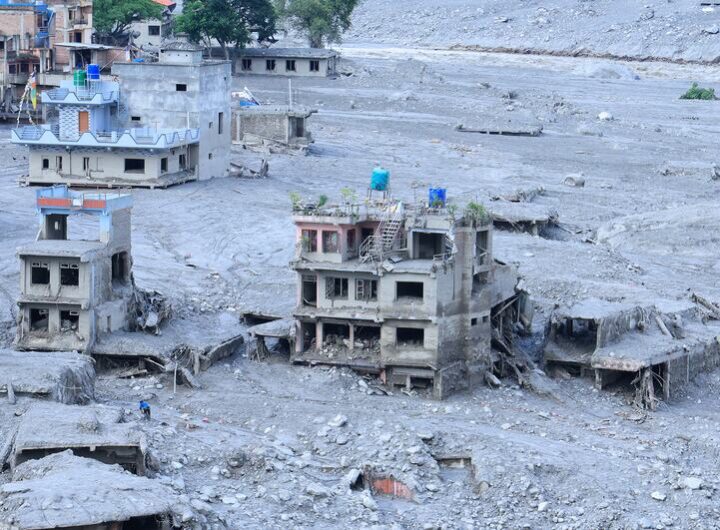 Nepal’s deadly glacier flood a ‘defining moment’ for the international community