
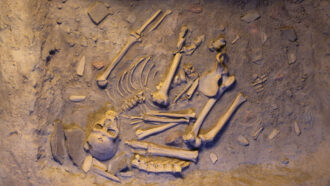
Some genetic variants inherited from Neandertals may protect against developing severe COVID-19.
A new study looked at a stretch of DNA on chromosome 12 where a haplotype — a cluster of genetic variants that are inherited together — that affects susceptibility to the coronavirus is located. For each copy of the Neandertal haplotype a person inherited, the risk of needing intensive care fell approximately 22 percent, researchers report in the March 2 Proceedings of the National Academy of Sciences.
The variants may affect the activity or function of genes involved in a biochemical chain reaction that ends with the destruction of viral RNA, including the coronavirus’s. The protective variants are largely absent among people in sub-Saharan Africa, where few people carry genes inherited from Neandertals. About 25 to 30 percent of present-day people of Asian and European ancestry carry the protective variants. Some Black people in the Americas also inherited the protective haplotype, presumably from Asian, European or Native American ancestors.
Previously, researchers had found that a different haplotype on chromosome 3 that was inherited from Neandertals increases the risk of severe disease (SN:10/2/20). The results show that genetic inheritance can help or hinder the immune response to disease.
 Magnetism may have helped kick-start our solar system
  Peru’s penguins are on the brink. A super El Niño could make it worse.
 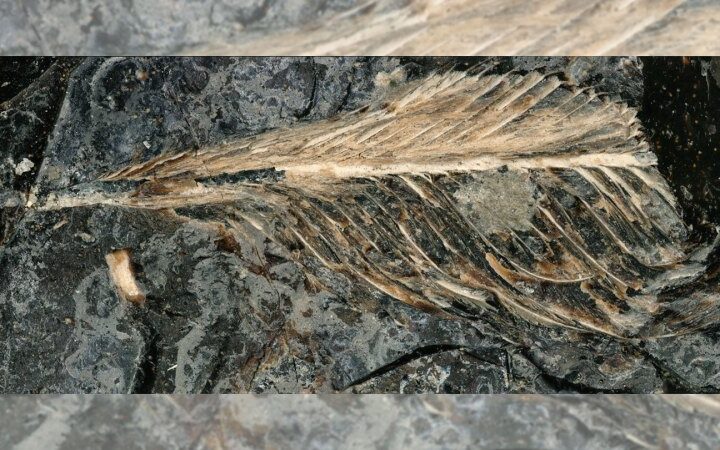 These are the first feathers ever found in fossilized dinosaur poop
 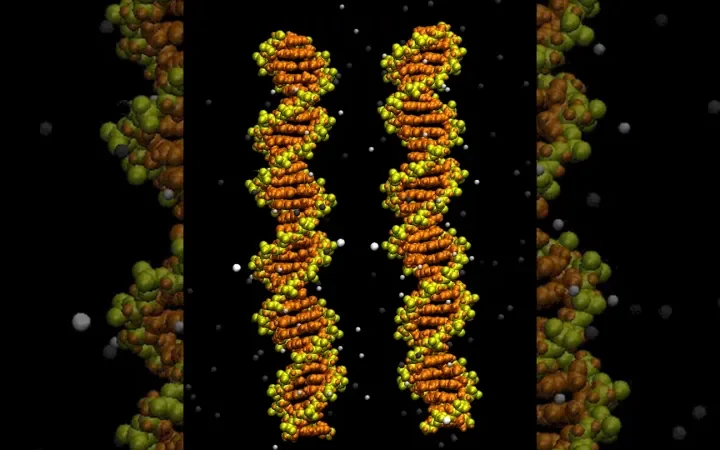 See the secret to DNA hookups
 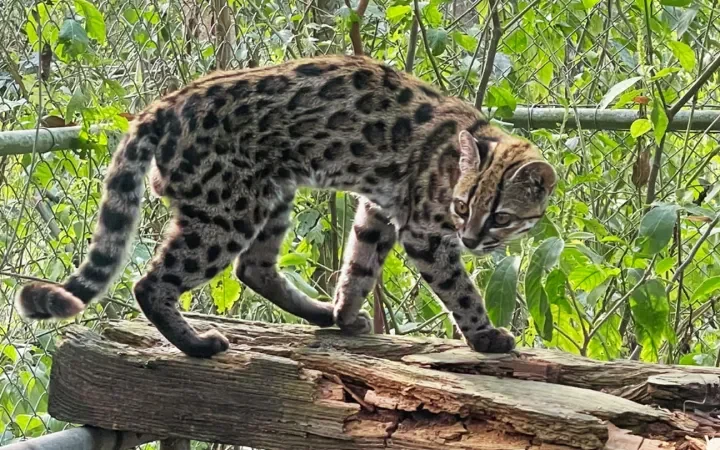 Meet the newest living cat species, the first described in 100 years
  This year’s El Niño just broke a record months before it’s expected to peak
  LIVE: World leaders take stock of global fight against racism
 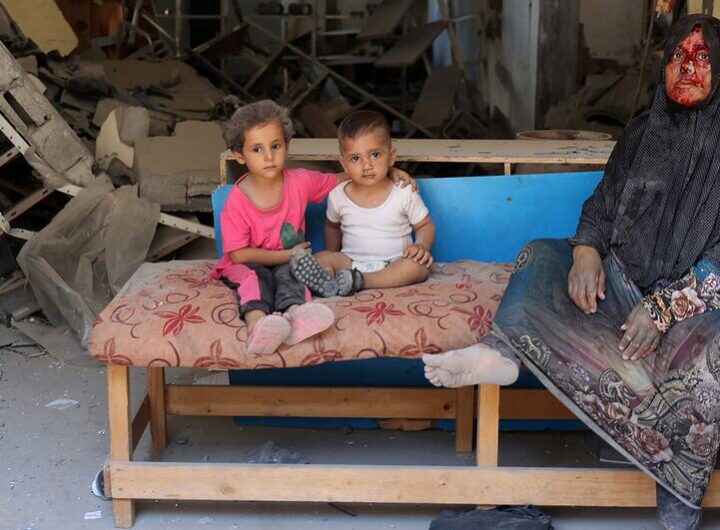 Security Council LIVE: Ambassadors meet as West Bank tensions rise, Gaza plan stalls
 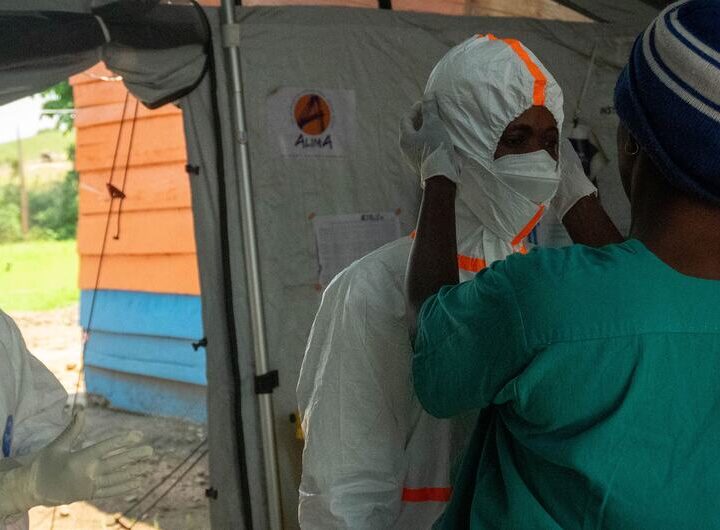 DR Congo Ebola emergency: Calls grow for urgent humanitarian access
  Rohingya Camps: Children in Frontline of Food Rationing Crisis