
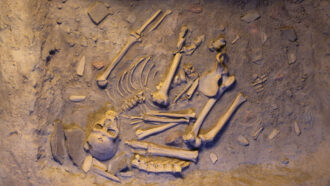
Some genetic variants inherited from Neandertals may protect against developing severe COVID-19.
A new study looked at a stretch of DNA on chromosome 12 where a haplotype — a cluster of genetic variants that are inherited together — that affects susceptibility to the coronavirus is located. For each copy of the Neandertal haplotype a person inherited, the risk of needing intensive care fell approximately 22 percent, researchers report in the March 2 Proceedings of the National Academy of Sciences.
The variants may affect the activity or function of genes involved in a biochemical chain reaction that ends with the destruction of viral RNA, including the coronavirus’s. The protective variants are largely absent among people in sub-Saharan Africa, where few people carry genes inherited from Neandertals. About 25 to 30 percent of present-day people of Asian and European ancestry carry the protective variants. Some Black people in the Americas also inherited the protective haplotype, presumably from Asian, European or Native American ancestors.
Previously, researchers had found that a different haplotype on chromosome 3 that was inherited from Neandertals increases the risk of severe disease (SN:10/2/20). The results show that genetic inheritance can help or hinder the immune response to disease.
 Horned dinosaurs’ weapons evolved to handle the forces of combat
  Artemis II results show how much science people can do at the moon
  Crossword: Time lines
 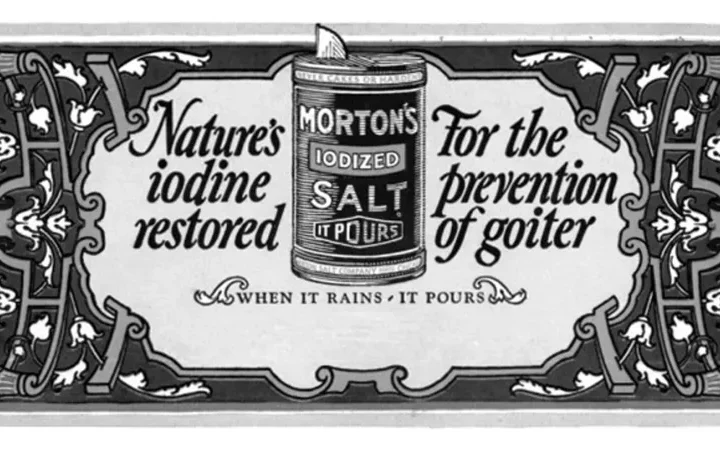 Many American diets may not include enough of this essential nutrient
 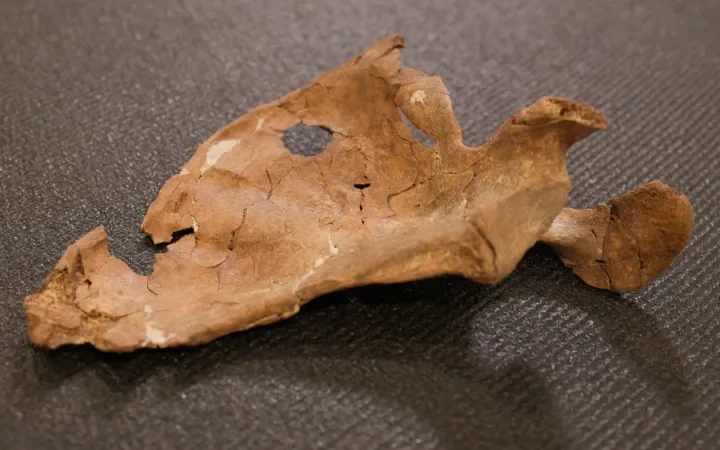 A telling hole in a Neandertal bone hints at a bitter end
  Brain implants are helping people who’ve lost their voice
  Inside the New York ‘time machine’ racing to save a century of sound and film
  Two Summits in Bangkok: IMF/World Bank and Finance Ministers Inside, the People’s Assembly Outside
  CHINA: ‘My Sister Has Been in a Chinese Prison for Eight Years Because I Exercised My Freedom of Speech’
  COP17: The world has a plan to save nature. Is it working?