
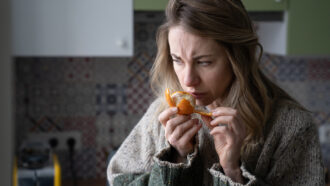
For many people, one of the fastest tip-offs that they have COVID-19 is the loss of taste or smell. Now researchers have pinpointed some genetic variants in people that may make it more likely that the coronavirus might rob them of these senses.
A study of nearly 70,000 adults with COVID-19 found that individuals with certain genetic tweaks on chromosome 4 were 11 percent more likely to lose the ability to smell or taste than people without the changes, researchers report January 17 in Nature Genetics. The data come from people who’d had their DNA analyzed by genetic testing company 23andMe and self-reported a case of COVID-19.
Two genes, UGT2A1 and UGT2A2, that help people smell reside in the region of chromosome 4 linked to sensory loss during infection, epidemiologist Janie Shelton of 23andMe and colleagues found. Both genes make enzymes that metabolize substances called odorants, which produce distinctive smells.
Sign up for e-mail updates on the latest coronavirus news and research
Studies suggest that loss of smell, a hallmark symptom of COVID-19, stems from infections taking hold in smell-supporting cells called sustentacular cells (SN: 6/12/20). It’s possible that the genetic variants near UGT2A1 and UGT2A2 could affect how the two genes are turned on or off to somehow mess with smell during an infection, Shelton says.
The team combined loss of smell and taste in one survey question so the study can’t parse whether the genetic variants are involved in the loss of one sense over the other. “When you lose your taste of smell, often your taste is highly diminished,” Shelton says. Taste can also go away without loss of smell.
Some people have a sustained loss of smell, even after the coronavirus leaves their bodies, Shelton says. Understanding how the virus snuffs out sniffing ability could help researchers find ways to bring it back.
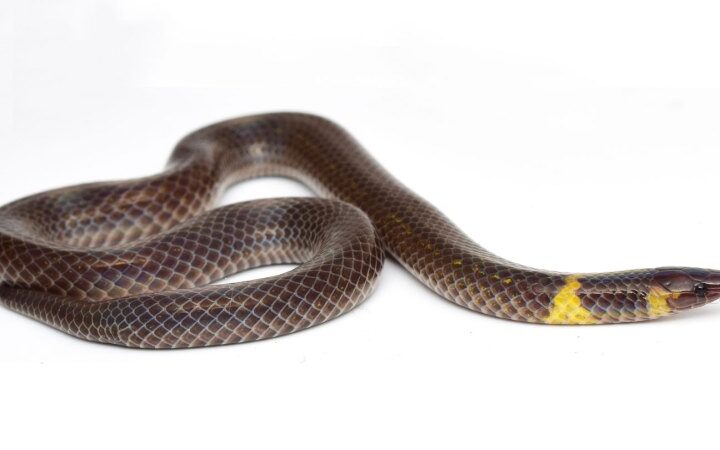 These tiny snakes cartwheel to escape danger
 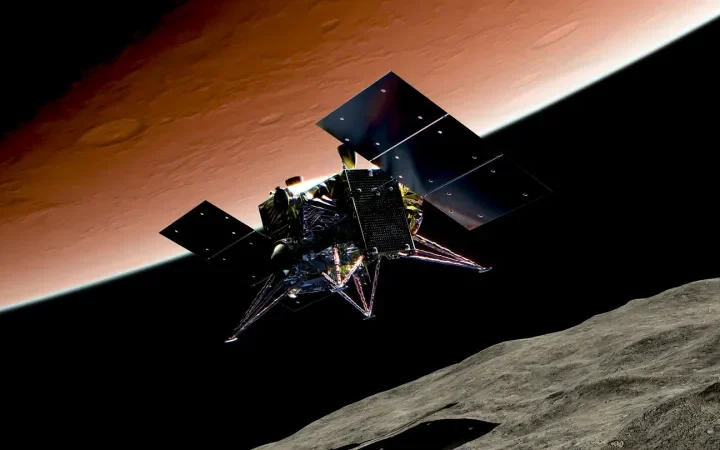 Japan’s sample return mission to Phobos may also collect some Mars dust
 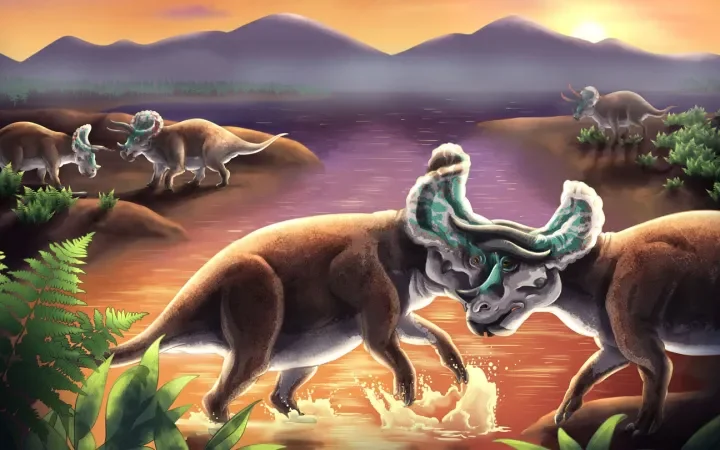 Horned dinosaurs’ weapons evolved to handle the forces of combat
  Artemis II results show how much science people can do at the moon
  Crossword: Time lines
  Many American diets may not include enough of this essential nutrient
  As El Niño Returns, East Africa’s Urban Poor Brace for Heavy Rains
  Hunger is ‘an avoidable tragedy’ in a world of plenty: Türk
  UN condemns deadly wave of drone strikes in war-torn Sudan
  Guterres honours Indonesian troops who paid ‘ultimate sacrifice’