The year will not be remembered as a good one for human health. But some notable bright spots did shine through.
Ebola outbreak ends
The second biggest Ebola outbreak in history is officially over. Beginning in 2018, the virus surged in eastern Congo, infecting 3,470 people and killing about two-thirds of them (SN Online: 6/25/20). The outbreak was declared done in June thanks to an aggressive public health response involving testing, isolating sick people and contact tracing — the same measures that could slow COVID-19’s spread.
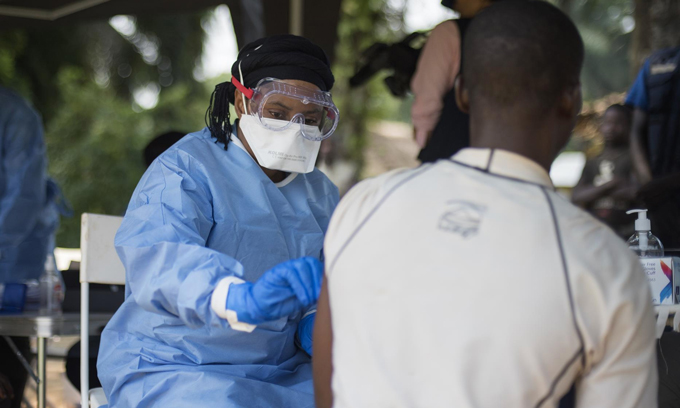
A vaccine, delivered to more than 300,000 people during the outbreak, and experimental drugs also helped. On October 14, one antibody-based treatment, Inmazeb, became the first Ebola drug approved by the U.S. Food and Drug Administration (SN Online: 10/15/20). With that approval, U.S. supplies of the drug may become more readily available for Ebola patients. (The drug’s maker, Regeneron Pharmaceuticals, is a major donor to the Society for Science & the Public, which publishes Science News.)
HIV’s elite controllers
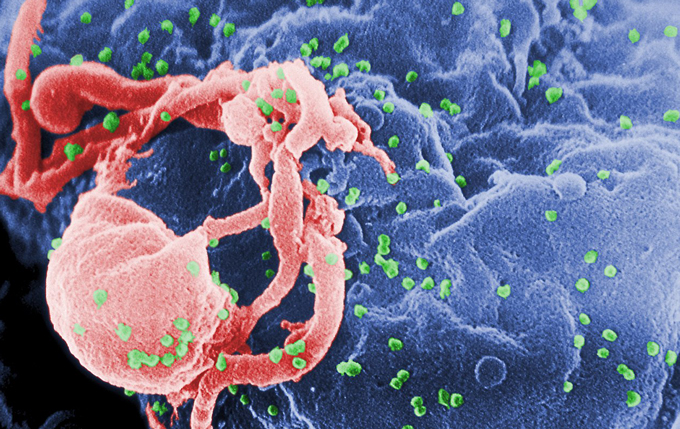
Most people with HIV take antiretroviral drugs to keep the virus in check. But in one rare person, the immune system seems to have wiped out the virus all on its own. Among over 1.5 billion blood cells taken from this once-infected person, not a single working copy of HIV turned up (SN: 9/26/20, p. 6). In another patient, researchers found only one functional copy of HIV in more than a billion blood cells. Learning how these people, part of a select group called elite controllers, fought off HIV may lead to better treatments for others.
Peanut allergy protection
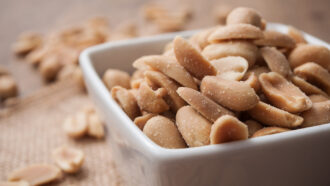
In January, the FDA approved the first drug for curbing peanut allergies in children and teens (SN: 2/29/20, p. 16). Called Palforzia, the drug contains peanut proteins and is given in escalating amounts, so the body gradually learns that these proteins aren’t dangerous. The drug doesn’t go as far as eliminating peanut allergies, but it can help people tolerate an accidental peanut encounter.
 AI could turn scientific papers into research assistants
  A lifesaving medication is not behind the drop in U.S. overdose deaths
  Peek into hidden worlds revealed by the 2026 Nikon Small World contest
  What can minerals tell us about Earth’s past? This geologist is finding out
  Rule breaking by just a few people can be contagious
  A quantum computing feat brings the ‘megaquops’ era a step closer
  Sudan conflict: Peace efforts resume to end ‘drone war’ fuelling humanitarian crisis
  UN agencies appeal for help to protect weakest from unprecedented El Niño
  Summit in Samarkand, a boon for child wellbeing and health
  Migrants paid up to $500 million in smuggling fees on European sea routes