
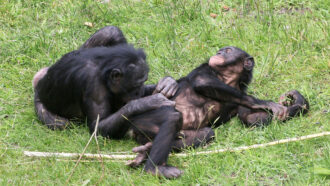
Bonobos display responsibility toward grooming partners akin to that of people working together on a task, a new study suggests.
Until now, investigations have shown only that humans can work jointly toward a common goal presumed to require back-and-forth exchanges and an appreciation of being obligated to a partner (SN: 10/5/09).
Primate biologist Raphaela Heesen of Durham University in England and colleagues studied 15 of the endangered great apes at a French zoological park. The researchers interrupted 85 instances of social grooming, in which one ape cleaned another’s fur, and 26 instances of self-grooming or solitary play.
Interruptions consisted either of a keeper calling one bonobo in a grooming pair to come over for a food reward or a keeper rapidly opening and closing a sliding door to an indoor enclosure, which typically signaled mealtime and thus attracted both bonobos.
Social grooming resumed, on average, 80 percent of the time after food rewards and 83 percent of the time after sliding-door disruptions, the researchers report December 18 in Science Advances. In contrast, self-grooming or playing alone was resumed only around 50 percent of the time, on average.
Bonobos generally resumed social grooming with the same partner within one minute of an interruption, usually near the original grooming spot. Groomers frequently took up where they had left off on a partner’s body. And bonobos more often vocalized, gestured or otherwise communicated when restarting social grooming if they had been the one responsible for initiating the session or interrupting it for a food reward. That was especially true of higher-ranking bonobos in the community, suggesting some awareness of having broken a joint commitment and wanting to signal friendly intent when rejoining lower-ranking grooming partners, the scientists say.
Still, it’s likely that bonobos think in less complex ways than people do about mutual commitments, Heesen and colleagues say. In previous studies, even 3-year-old children were much less willing to interrupt joint tasks for rewards than bonobos were in the new experiments.
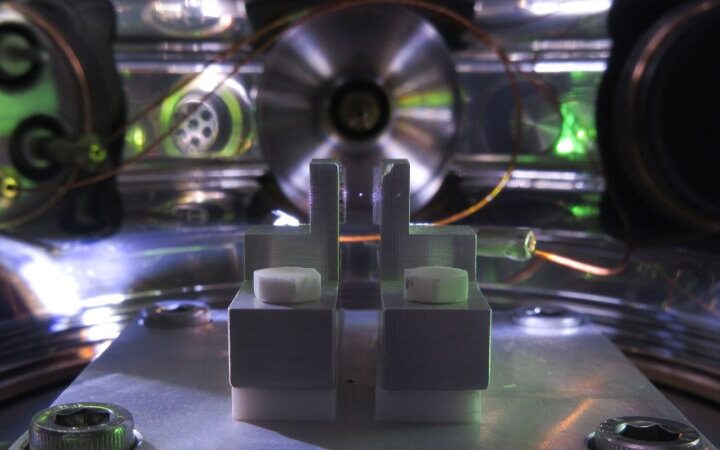 A nanoparticle revealed the tiny impact of a single gas atom
 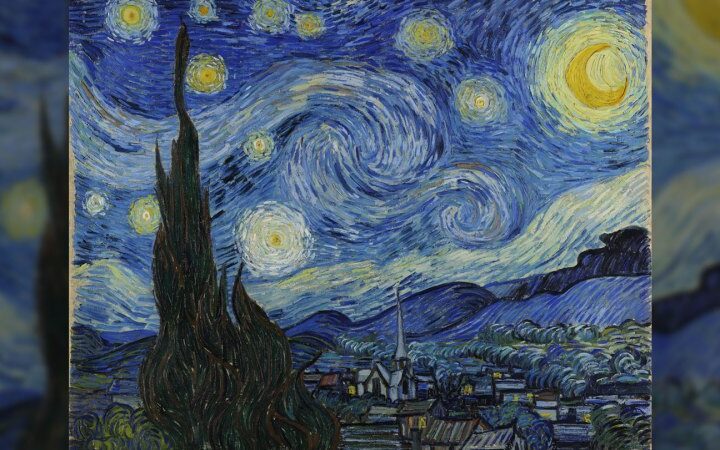 Was van Gogh’s ‘The Starry Night’ a flight of fancy or a real sky?
  This ‘living drug’ could change the course of autoimmune disease
  AI could turn scientific papers into research assistants
  A lifesaving medication is not behind the drop in U.S. overdose deaths
 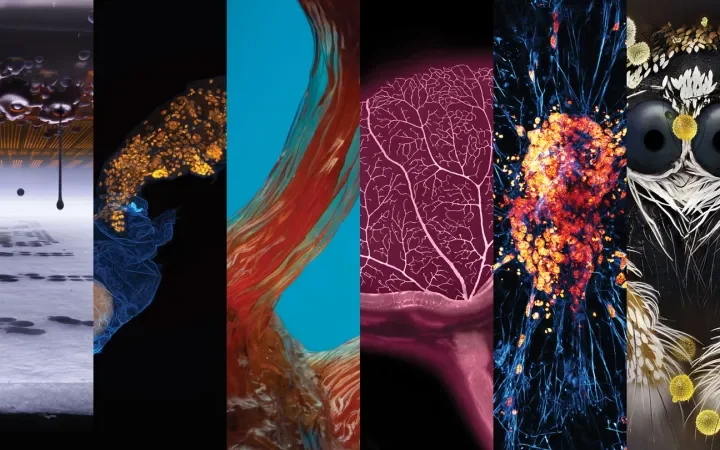 Peek into hidden worlds revealed by the 2026 Nikon Small World contest
  ‘Connect the dots’ between street protests and global turmoil, urges Guterres
  DR Congo: Ebola responders under pressure as outbreak expands