
By attaching electrodes to the plant’s leaves, researchers found a way to snap its traps shut on command.
SCIENTIFIC NEWS
By attaching electrodes to the plant’s leaves, researchers found a way to snap its traps shut on command.
By attaching electrodes to the plant’s leaves, researchers found a way to snap its traps shut on command.
By attaching electrodes to the plant’s leaves, researchers found a way to snap its traps shut on command.
By attaching electrodes to the plant’s leaves, researchers found a way to snap its traps shut on command.
By attaching electrodes to the plant’s leaves, researchers found a way to snap its traps shut on command.
By attaching electrodes to the plant’s leaves, researchers found a way to snap its traps shut on command.
By attaching electrodes to the plant’s leaves, researchers found a way to snap its traps shut on command.
By attaching electrodes to the plant’s leaves, researchers found a way to snap its traps shut on command.
By attaching electrodes to the plant’s leaves, researchers found a way to snap its traps shut on command.
 Kenya: 20 Ebola contacts released from quarantine
 Record carbon dioxide levels will impact us for centuries, says UN weather agency
 Roller coaster safety is a matter of science
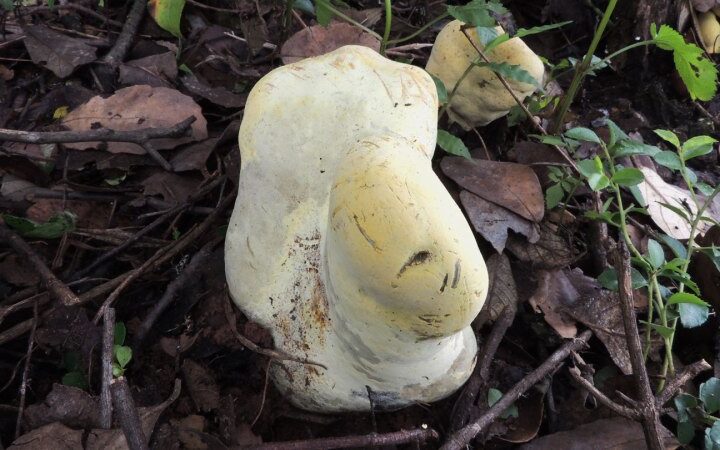 After the dinosaurs died, the massive ‘D. rex’ fungus ruled the woods