
By attaching electrodes to the plant’s leaves, researchers found a way to snap its traps shut on command.
SCIENTIFIC NEWS
By attaching electrodes to the plant’s leaves, researchers found a way to snap its traps shut on command.
By attaching electrodes to the plant’s leaves, researchers found a way to snap its traps shut on command.
By attaching electrodes to the plant’s leaves, researchers found a way to snap its traps shut on command.
By attaching electrodes to the plant’s leaves, researchers found a way to snap its traps shut on command.
By attaching electrodes to the plant’s leaves, researchers found a way to snap its traps shut on command.
By attaching electrodes to the plant’s leaves, researchers found a way to snap its traps shut on command.
By attaching electrodes to the plant’s leaves, researchers found a way to snap its traps shut on command.
By attaching electrodes to the plant’s leaves, researchers found a way to snap its traps shut on command.
By attaching electrodes to the plant’s leaves, researchers found a way to snap its traps shut on command.
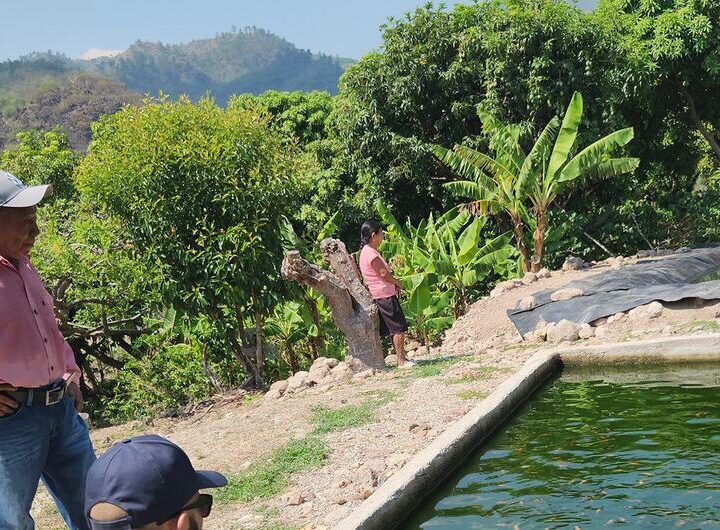 When the rains fail: Preparing for drought in Central America
 ‘Here, you can eat until you’re full’: Oleshky evacuees savour first proper meals in years
 COP31: National Oil Companies Must Lead Global Shift Away from Fossil Fuels, Says NRGI Expert
 COP31: Climate finance falls short as calls grow for polluters to pay