
By attaching electrodes to the plant’s leaves, researchers found a way to snap its traps shut on command.
SCIENTIFIC NEWS
By attaching electrodes to the plant’s leaves, researchers found a way to snap its traps shut on command.
By attaching electrodes to the plant’s leaves, researchers found a way to snap its traps shut on command.
By attaching electrodes to the plant’s leaves, researchers found a way to snap its traps shut on command.
By attaching electrodes to the plant’s leaves, researchers found a way to snap its traps shut on command.
By attaching electrodes to the plant’s leaves, researchers found a way to snap its traps shut on command.
By attaching electrodes to the plant’s leaves, researchers found a way to snap its traps shut on command.
By attaching electrodes to the plant’s leaves, researchers found a way to snap its traps shut on command.
By attaching electrodes to the plant’s leaves, researchers found a way to snap its traps shut on command.
An analysis of the successes and failures of past electrical power projects across Africa suggests the continent isn’t likely to go green before 2030.
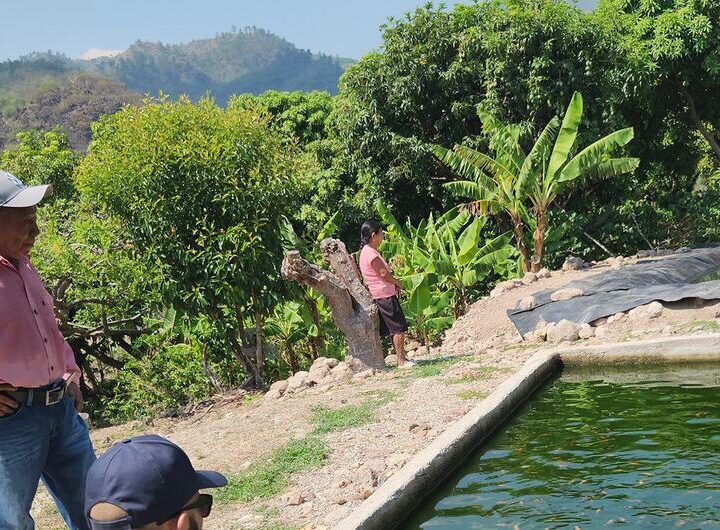 When the rains fail: Preparing for drought in Central America
 ‘Here, you can eat until you’re full’: Oleshky evacuees savour first proper meals in years
 COP31: National Oil Companies Must Lead Global Shift Away from Fossil Fuels, Says NRGI Expert
 COP31: Climate finance falls short as calls grow for polluters to pay