
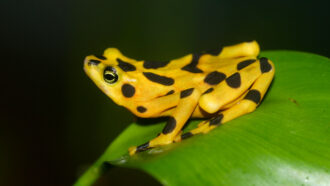
 Losing amphibians may be tied to spikes in human malaria cases
In the 1990s and 2000s, Costa Rica and Panama experienced spikes in malaria cases. The massive loss of amphibians in the region from a...
SCIENTIFIC NEWS
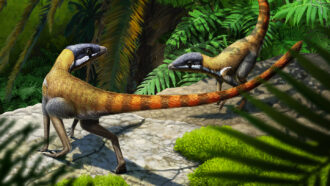 Pterosaurs may have evolved from tiny, fast-running reptiles
A mysterious ground-dwelling reptile unearthed in a Scottish sandstone over 100 years ago turns out to be part of a famous flying family. Tiny...
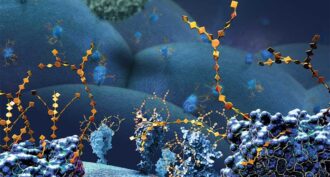 A way to snap molecules together like Legos wins 2022 chemistry Nobel
A tool kit for snapping together molecules like Lego building blocks has won the 2022 Nobel Prize in chemistry. Chemists Carolyn Bertozzi of Stanford...
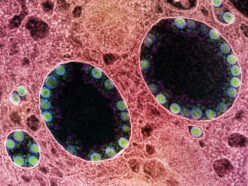 ‘Breathless’ explores COVID-19’s origins and other pandemic science
BreathlessDavid QuammenSimon & Schuster, $29.99 When COVID-19 burst onto the global stage in 2020, it was deadly and disruptive. In the first weeks of...
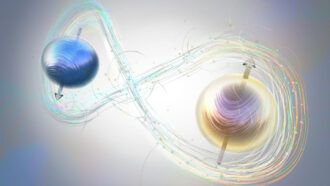 Quantum experiments with entangled photons win the 2022 Nobel Prize in physics
Tests of quantum weirdness and its potential real-world applications have been recognized with the 2022 Nobel Prize in physics. At some level we are...
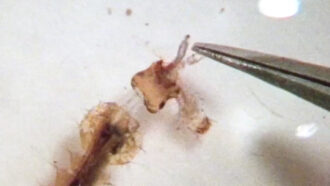 Video captures young mosquitoes launching their heads to eat other mosquitoes
A kind of teenager mosquito can suddenly shoot its head forward from its body — stretching its neck into a skinny cord — to...
 Despite a retraction, a room-temperature superconductor claim isn’t dead yet
It may be too soon to mourn the demise of a room-temperature superconductivity claim. On September 26, the journal Nature retracted a paper describing...
 Climate change could turn some blue lakes to green or brown
Some picturesque blue lakes may not be so blue in the future, thanks to climate change. In the first global tally of lake color,...
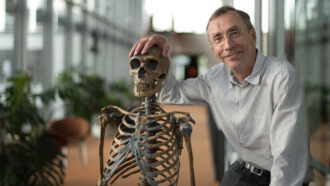 Genetics of human evolution wins 2022 Nobel Prize in physiology or medicine
Establishing a new field of science to answer the question of what makes humans unique from our extinct relatives has earned Svante Pääbo the...
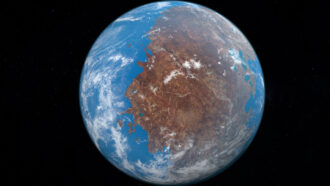 50 years ago, scientists dug into Pangaea’s past lives
Before Pangaea — What? — Science News, September 30, 1972 The continents as we know them resulted when the protocontinent Pangaea broke apart and...
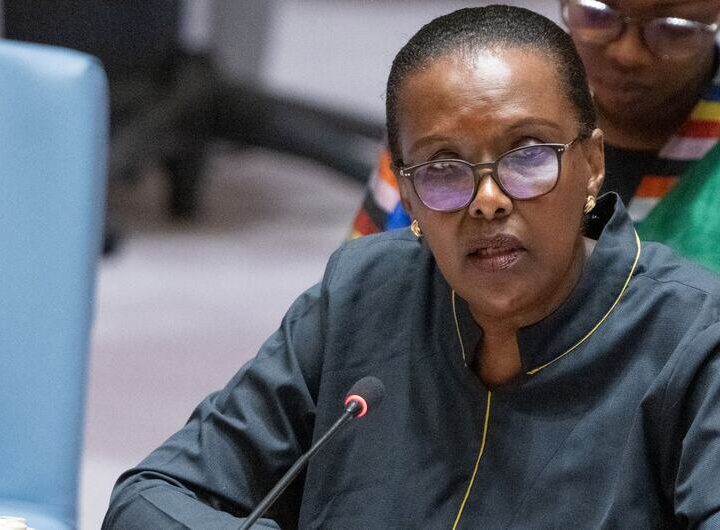 As Sudan war spills into Central African Republic, UN warns against early peacekeeper exit
  AI on track to ‘crowd out’ human decision-making in warfare
  From Small Islands to Antalya: COP31 Must Move Climate Promises from Paper to People
 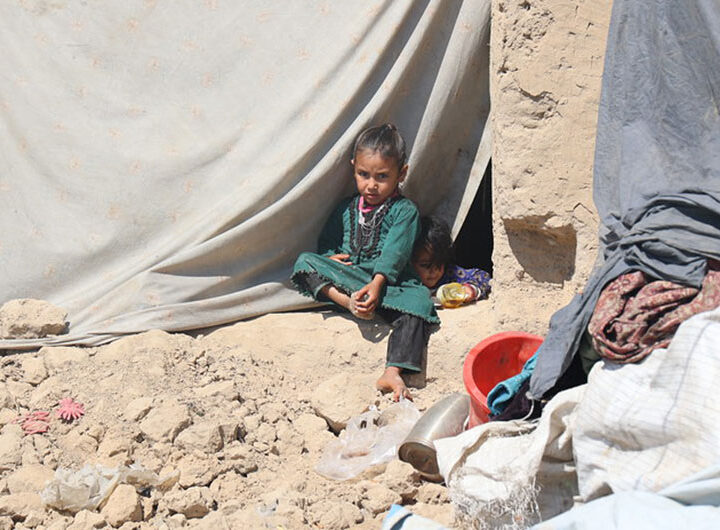 ‘One step away from famine’: Inside Afghanistan’s hunger crisis