
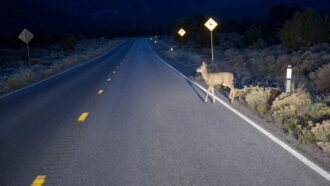
People pay deerly for the switch from daylight saving time.
The change to standard time in autumn corresponds with an average 16 percent increase in deer-vehicle collisions in the United States, scientists report November 2 in Current Biology. The researchers estimate that eliminating the switch could save nearly 37,000 deer — and 33 human lives.
In a typical year, there are more than 2 million deer-vehicle collisions — about 7 percent of total vehicle crashes. To see how much the biannual time change impacts those numbers, wildlife biologist Laura Prugh and colleagues compiled data from 23 states that tracked whether a crash involved an animal and what time the crash occurred. The team compared those numbers to traffic volumes for each state between 2013 and 2019, focusing on the weeks before and after the switches to daylight saving time in springtime and back to standard time come fall.
Springing forward had little effect, but almost 10 percent of yearly deer collisions on average took place around the autumn fallback — when the bulk of human traffic shifted to after dark. The problem was especially acute on the East Coast. “You see [a] really steep spike in the fall,” says Prugh, of the University of Washington in Seattle. “In the western states, you also see an increase, but it’s not nearly as sharp.” On the East Coast, the autumn switch falls in the middle of mating season for white-tailed deer. Not only are more drivers active after dark, more deer are too. “The timing could not be worse.”
Eliminating the clock change wouldn’t completely wipe out the spike in crashes — mating season plays a big role, regardless of what time sunset happens. But the scientists estimate that keeping daylight saving time year-round would decrease total deer-human collisions by about 2 percent — saving dozens of people, thousands of human injuries and tens of thousands of deer. It’s another reason for us all to move toward the light (SN: 3/31/14).
 Many American diets may not include enough of this essential nutrient
 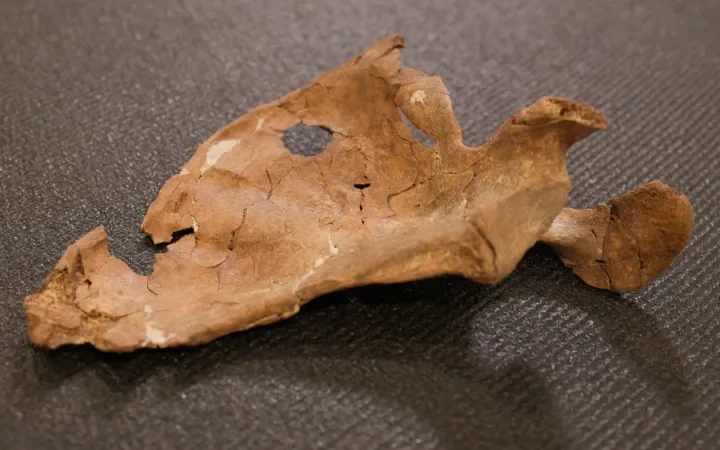 A telling hole in a Neandertal bone hints at a bitter end
  Brain implants are helping people who’ve lost their voice
 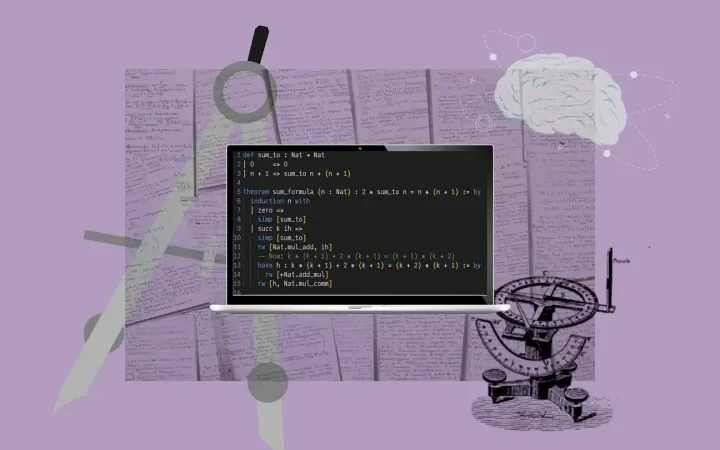 Can math stay human in the age of AI?
 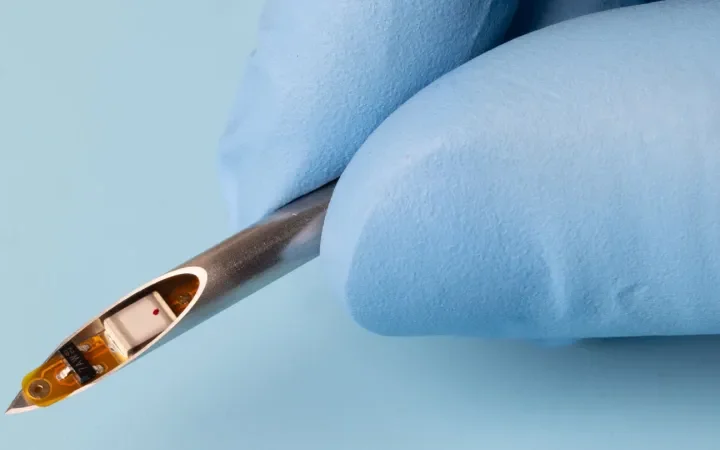 Tiny implants can use the body itself to talk to each other
  Voyager 1 is nearly one light-day from Earth. What’s out there?
  If the UN COP17 Is Serious About Biodiversity, It Needs to Follow the Money
  ‘Prioritize Social Inclusion as Rapid Transformations Risk Leaving Millions Behind’
  Finding Silver Linings Amid Haze of Climatic Uncertainty
  Could your brain data be used against you? UN calls for limits on neurotechnology