
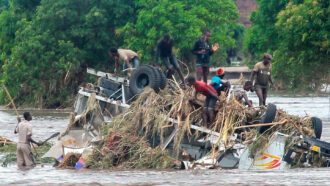
Climate change amped up the rains that pounded southeastern Africa and killed hundreds of people during two powerful storms in early 2022.
But a dearth of regional data made it difficult to pinpoint just how large of a role climate change played, scientists said April 11 at a news conference.
The findings were described in a study, published online April 11, by a consortium of climate scientists and disaster experts called the World Weather Attribution network.
A series of tropical storms and heavy rain events battered southeast Africa in quick succession from January through March. For this study, the researchers focused on two events: Tropical Storm Ana, which led to flooding in northern Madagascar, Malawi and Mozambique in January and killed at least 70 people; and Cyclone Batsirai, which inundated southern Madagascar in February and caused hundreds more deaths.
To search for the fingerprints of climate change, the team first selected a three-day period of heavy rain for each storm. Then the researchers tried to amass observational data from the region to reconstruct historical daily rainfall records from 1981 to 2022.
Only four weather stations, all in Mozambique, had consistent, high-quality data spanning those decades. But, using the data on hand, the team was able to construct simulations for the region that represented climate with and without human-caused greenhouse gas emissions.
The aggregate of those simulations revealed that climate change did play a role in intensifying the rains, Izidine Pinto, a climatologist at the University of Cape Town in South Africa, said at the news event. But with insufficient historical rainfall data, the team “could not quantify the precise contribution” of climate change, Pinto said.
The study highlights how information on extreme weather events “is very much biased toward the Global North … [whereas] there are big gaps in the Global South,” said climate scientist Friedericke Otto of Imperial College London.
That’s an issue also highlighted by the Intergovernmental Panel on Climate Change. The IPCC cites insufficient Southern Hemisphere data as a barrier to assessing the likelihood of increasing frequency and intensity of tropical cyclones beyond the North Atlantic Ocean (SN: 8/9/21).
 A quantum computing feat brings the ‘megaquops’ era a step closer
  AI can give you your voice back
  These tiny snakes cartwheel to escape danger
 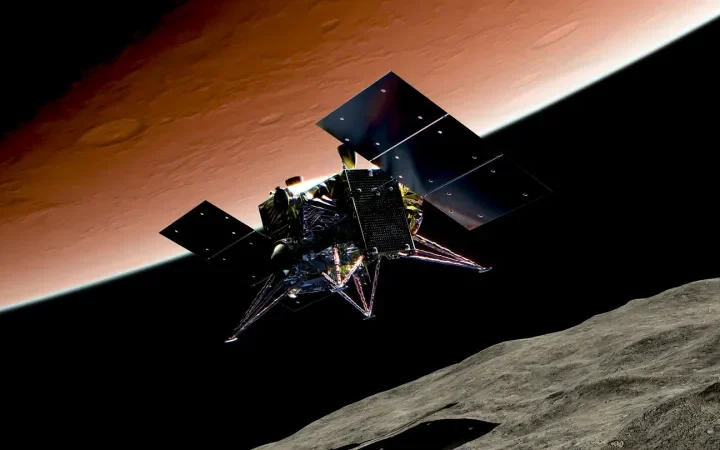 Japan’s sample return mission to Phobos may also collect some Mars dust
  Horned dinosaurs’ weapons evolved to handle the forces of combat
 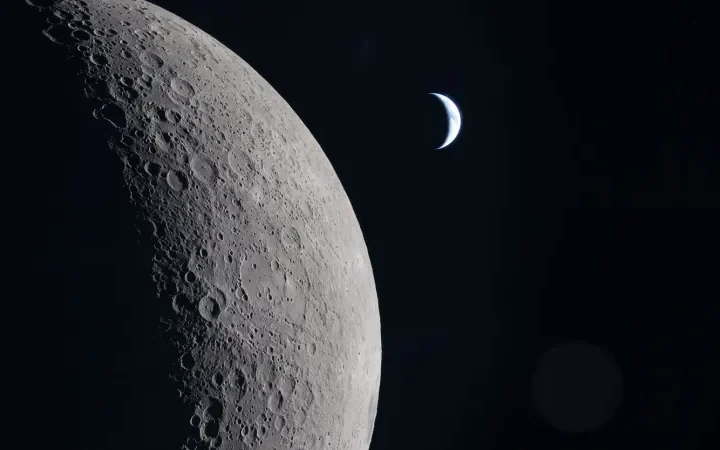 Artemis II results show how much science people can do at the moon
 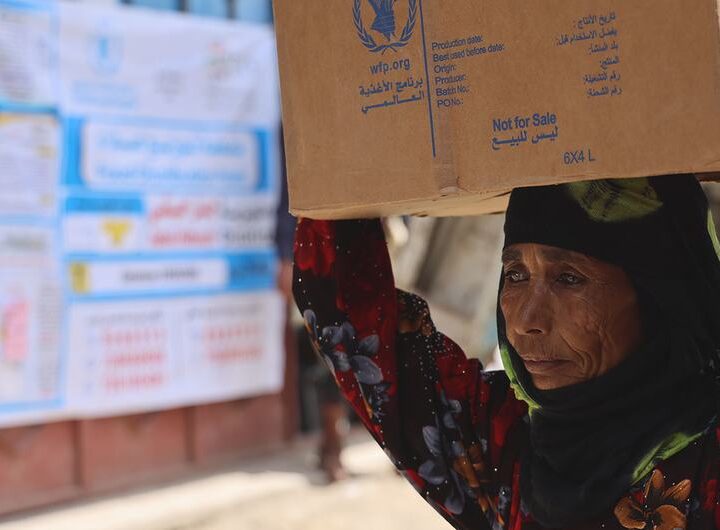 Yemen war continues to force families from homes amid hunger and disease
  Afghan Women Defy Taliban Restrictions Through Online Protests
 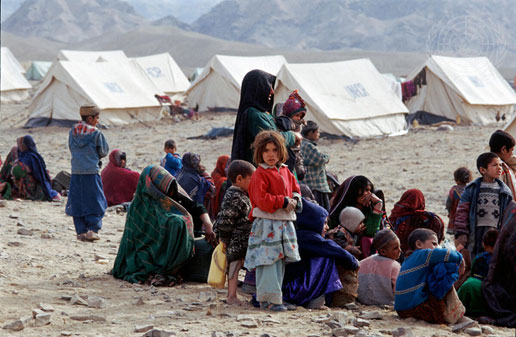 Food Insecurity and Child Malnutrition Worsen in Afghanistan Despite Strong Agricultural Season
  People Who Choose to End Their Lives