

Diamond stands up to a squeeze. Surprisingly, the material’s structure persists even when compressed to 2 trillion pascals, more than five times the pressure in Earth’s core, scientists report January 27 in Nature.
The study suggests that diamond is metastable at high pressures: It retains its structure despite the fact that other, more stable structures are expected to dominate under such conditions. Studying diamond’s quirks at extreme pressures could help reveal the inner workings of carbon-rich exoplanets (SN: 7/16/14).
Diamond is one of several varieties of carbon, each composed of a different arrangement of atoms. At everyday pressures on Earth’s surface, carbon’s most stable state is graphite. But given a forceful squeeze, diamond wins out. That’s why diamonds form after carbon takes a plunge inside Earth.
But at higher pressures than those found inside Earth, scientists had predicted that new crystal structures would be more stable. So physicist Amy Lazicki and colleagues pummeled diamond with powerful lasers at Lawrence Livermore National Laboratory’s National Ignition Facility in California. X-ray measurements of the material’s structure revealed that diamond persisted, suggesting it is metastable under extreme pressure.
Diamond was already known to be metastable at low pressures: Your grandma’s diamond ring hasn’t morphed into graphite. Once formed, diamond’s structure can persist even if the pressure drops, thanks to the strong chemical bonds that hold carbon atoms together in diamond. Now, says Lazicki, of Lawrence Livermore, “it looks like the same is true when you go to much higher pressure.”
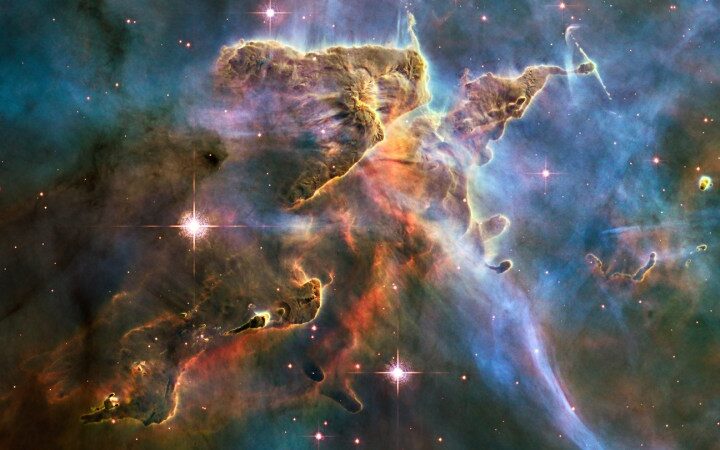 Magnetism may have helped kick-start our solar system
 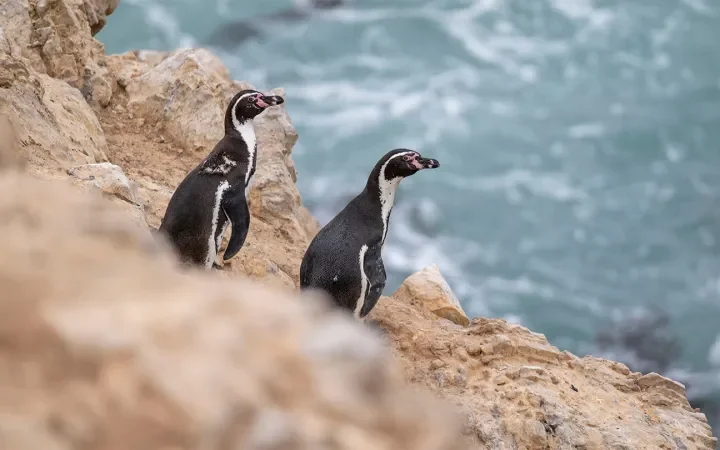 Peru’s penguins are on the brink. A super El Niño could make it worse.
 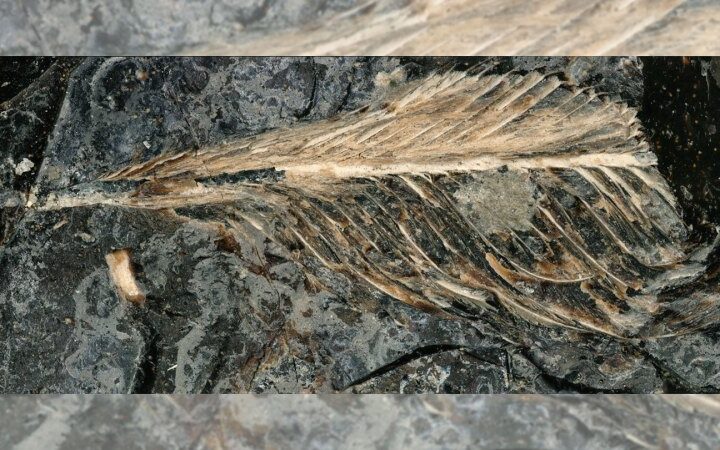 These are the first feathers ever found in fossilized dinosaur poop
 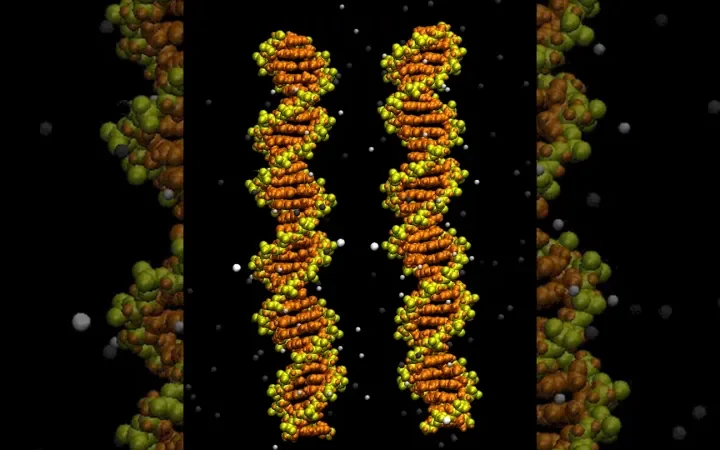 See the secret to DNA hookups
  Meet the newest living cat species, the first described in 100 years
  This year’s El Niño just broke a record months before it’s expected to peak
  LIVE: World leaders take stock of global fight against racism
  Security Council LIVE: Ambassadors meet as West Bank tensions rise, Gaza plan stalls
  DR Congo Ebola emergency: Calls grow for urgent humanitarian access
 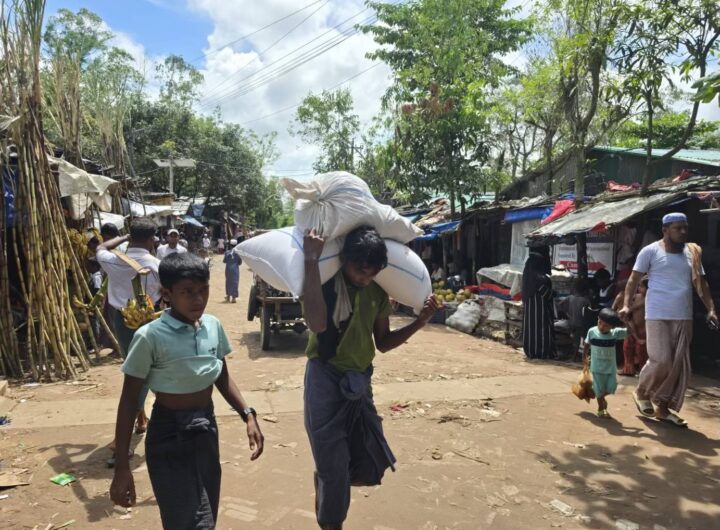 Rohingya Camps: Children in Frontline of Food Rationing Crisis