

Global temperatures are rising and so, it seems, is part of the sky.
Atmosphere readings collected by weather balloons in the Northern Hemisphere over the last 40 years reveal that climate change is pushing the upper boundary of the troposphere — the slice of sky closest to the ground — steadily upward at a rate of 50 to 60 meters per decade, researchers report November 5 in Science Advances.
Temperature is the driving force behind this change, says Jane Liu, an environmental scientist at the University of Toronto. The troposphere varies in height around the world, reaching as high as 20 kilometers in the tropics and as low as seven kilometers near the poles. During the year, the upper boundary of the troposphere — called the tropopause — naturally rises and falls with the seasons as air expands in the heat and contracts in the cold. But as greenhouse gases trap more and more heat in the atmosphere, the troposphere is expanding higher into the atmosphere (SN: 10/26/21).
Liu and her colleagues found that the tropopause rose an average of about 200 meters in height from 1980 to 2020. Nearly all weather occurs in the troposphere, but it’s unlikely that this shift will have on a big effect on weather, the researchers say. Still, this research is an important reminder of the impact of climate change on our world, Liu says.
“We see signs of global warming around us, in retreating glaciers and rising sea levels,” she says. “Now, we see it in the height of the troposphere.”
 Magnetism may have helped kick-start our solar system
  Peru’s penguins are on the brink. A super El Niño could make it worse.
  These are the first feathers ever found in fossilized dinosaur poop
  See the secret to DNA hookups
  Meet the newest living cat species, the first described in 100 years
 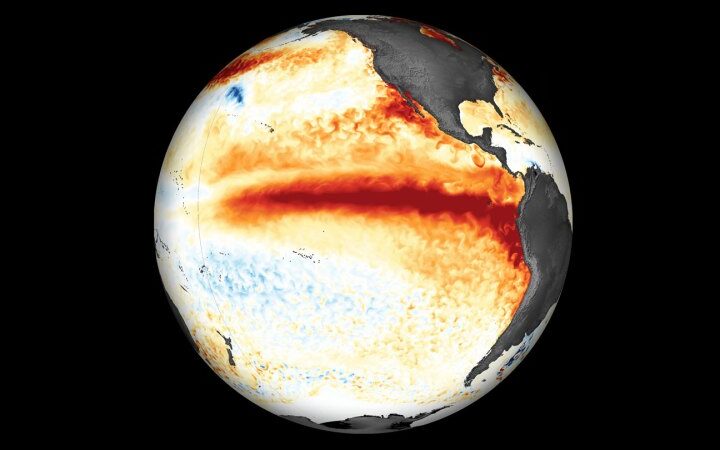 This year’s El Niño just broke a record months before it’s expected to peak
  LIVE: World leaders take stock of global fight against racism
  Security Council LIVE: Ambassadors meet as West Bank tensions rise, Gaza plan stalls
  DR Congo Ebola emergency: Calls grow for urgent humanitarian access
  Rohingya Camps: Children in Frontline of Food Rationing Crisis