
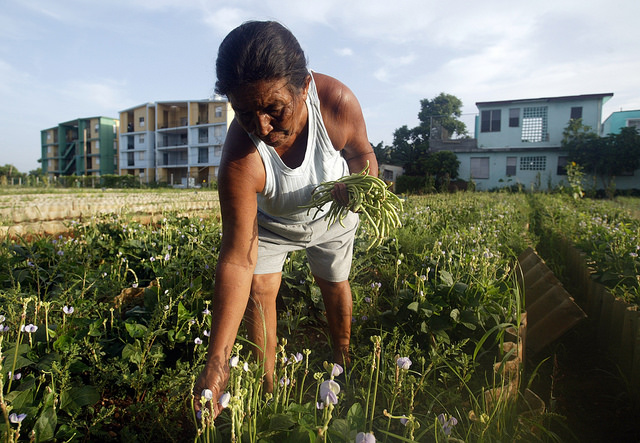
ROME, October 30 (IPS) – A field at the edge of a growing city may be worth far more than its market price suggests. It may produce vegetables sold in nearby markets, support local livelihoods and provide green space in an increasingly built-up environment. It can also help cities manage water, adapt to climate shocks and strengthen local food supplies. As municipal authorities decide where new homes and infrastructure should go, understanding what their land already contributes can help them plan for housing and food together.
 ‘We escaped with only our lives’: Fighting to give birth in war-torn Yemen
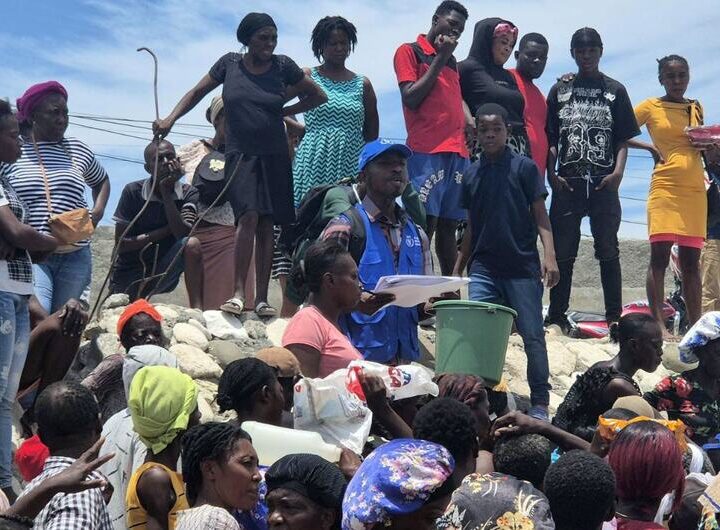 Homes abandoned, harvests failing: Haiti’s farmers rebuild amid violence, hunger and El Niño
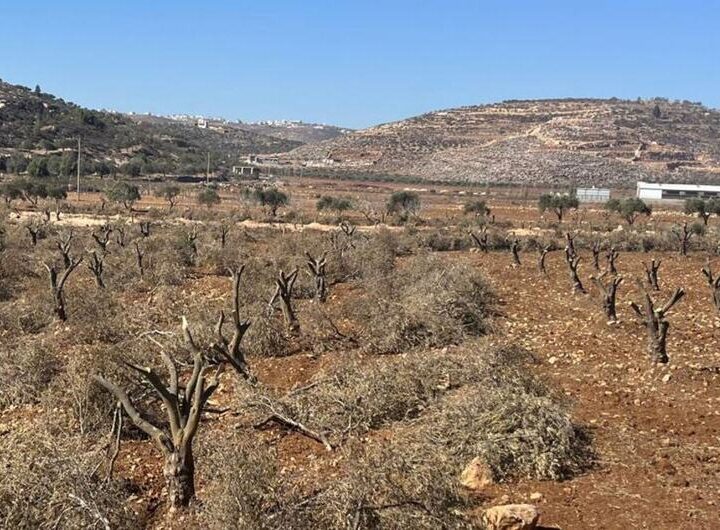 West Bank: Record settler attacks mar olive harvest as UN urges Israel to protect farmers
 ‘You will not be alone’: General Assembly President tells Rohingya refugees after genocide ruling
 Bridgetown AI summit to tackle safety as risks outpace capacity to respond
 Afghanistan restrictions prevent pregnant women from seeking medical help
 How do tumors talk to nerves? This scientist is finding out
 How do scientists learn from failure? This researcher has clues